
Published on 5/19/2026
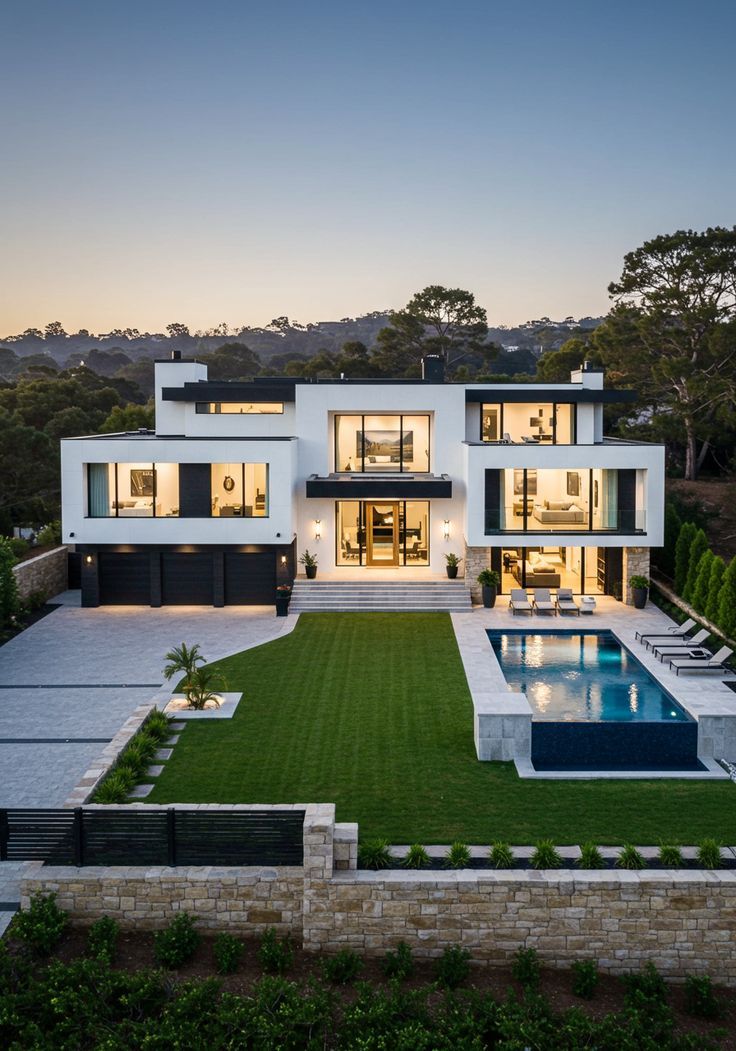
Gold-plated faucets and crystal chandeliers once dominated luxury homes. Today, those features feel loud, dated, and out of touch with what modern high-end buyers want. The new definition of luxury is quieter, smarter, and far more intentional. Instead of flashy fixtures, people prefer smooth limestone walls, soft linen drapes, hand-finished wood, and layouts that breathe. Subtle elegance lets quality speak without shouting, and it is reshaping what counts as truly premium design.
Subtle luxury is all about refined materials, lasting forms, and calm spatial flow. It values craftsmanship and precision while avoiding anything that looks like a performance. This shift is not a passing trend. It reflects deep cultural changes, economic pressures, and new expectations for what a home should offer. You can even see this on platforms like TheHouse48, where top-tier listings highlight texture, atmosphere, and architectural integrity instead of extravagant décor.
The Economic and Cultural Drivers of Restraint
The Post-Pandemic Revaluation of Home
Spending long periods inside during the pandemic transformed houses into true sanctuaries. Comfort rose above spectacle. Owners gravitated toward designs that supported daily life rather than ones that looked impressive only on first glance. Open kitchens that connect to relaxed living spaces replaced formal rooms that rarely get used. Cozy nooks became essential for reading, remote work, or unwinding.
Sales data from recent years shows a clear pattern. Buyers look for strong structural quality, flexible layouts, and environments that feel restorative. Wellness is now a priority. Natural light, airflow, indoor greenery, and low-toxin materials matter more than ornate trims or oversized chandeliers. A home gym that flows seamlessly into a home office is more appealing than a dedicated space that looks like a showroom but serves no real function.
Even developers tailor new builds around these expectations. Spaces are designed to adapt—to work, rest, host, or retreat—making subtle luxury both beautiful and practical.
The Influence of Quiet Luxury in Fashion and Art
The shift toward quiet luxury began in fashion with the rise of understated, logo-free pieces from brands like The Row and Loro Piana. Perfect tailoring replaced loud branding. Home design absorbed the same mindset. Rooms now feel like curated outfits. The architecture takes center stage, while the décor supports it rather than competes.

Art plays a role, too. Minimalist sculptures, textured canvases, and natural materials help shape interiors around serenity and balance. The focus is on form, shadow, and texture. Instead of filling every wall, designers choose one meaningful piece and let it breathe. The goal is visual calm, not visual noise.
Craftsmanship also returns as a main character. A hand-carved built-in or custom stone surface elevates a room more than any glittering accessory can. You see luxury not in what is added, but in how well something is made.
Why Subtle Luxury Is the Future
Today’s high-end buyers want homes that support longevity, wellness, and thoughtful living. Subtle luxury delivers all three. It blends aesthetics with purpose and encourages spaces that age well instead of going out of style. Muted palettes highlight natural light. Hidden storage creates order. Premium materials perform for decades.
This design direction also aligns with sustainability. Instead of replacing trendy items every year, homeowners invest in pieces that last. The result is a space that feels calm, grounded, and deeply personalized.
You see this preference clearly in modern real estate demand, especially in upscale markets where homes prioritize refined simplicity. Many of the most desirable listings on TheHouse48 showcase this shift toward elegance that whispers, not shouts. It is a quiet revolution, but one that defines the new standard of modern luxury living.
Sign up for our emails and be the first to know about special offers.
Sign In
Comments