
Published on 6/22/2026
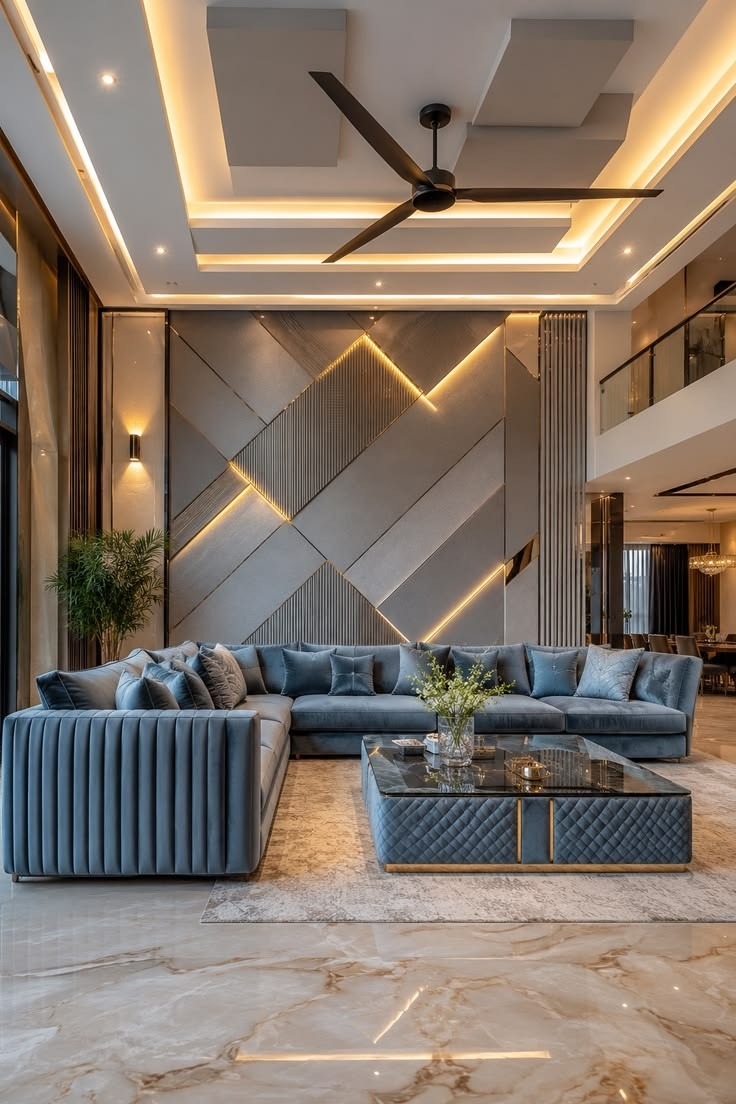
Somewhere along the way, the idea of luxury got tangled up with size. More rooms, more floors, more land, more of everything. But a quietly significant shift has been building in real estate, one that separates the experience of living well from the obligation of living large. The most compelling properties being talked about in 2026 are not necessarily the biggest. They are the most considered. At TheHouse48, this is a conversation we are having more often, and with more enthusiasm, than ever before.
When Small Stops Meaning Less
The numbers are telling a clear story. According to 2025 housing data, the desire for homes in the 1,600 to 1,999 square foot range is strong among buyers, affirming that the market is actively shifting toward this blend of size and efficiency. These are not buyers settling for less. They are buyers making a deliberate choice. The logic is straightforward: a smaller footprint maintained to an exceptional standard feels more luxurious day to day than a vast one maintained to an average one. Custom-milled cabinetry, high-performance appliances, bespoke storage and exceptional natural light do not require ten thousand square feet to deliver their full effect. They require intention.
What Luxury Actually Looks Like in a Compact Space
Driven by changing lifestyles, urban density and a growing desire to live in vibrant city centres, small homes are no longer viewed as restrictive. They are being transformed into sanctuaries where style, functionality and comfort converge. The tools available to designers working at this scale have never been more sophisticated. Integrated smart home systems that manage lighting, climate and security without any visible hardware. Floor-to-ceiling glazing that pulls outdoor space into the interior. Multifunctional rooms that shift purpose throughout the day. Lighting systems that adjust to circadian rhythms, hidden speakers embedded in walls and climate control that learns user preferences are no longer features exclusive to large estates. They are increasingly the defining elements of well-designed compact homes.
The Penthouse Model

The penthouse has long been the clearest proof that luxury and scale are not the same thing. A 1,800 square foot penthouse in a well-located building with rooftop access, concierge service, panoramic views and premium finishes routinely outperforms much larger properties in both desirability and value retention. The same principle is now spreading beyond the vertical residential market into standalone homes, cottages and architecturally designed smaller builds. Rather than chasing flashy finishes, Gen X and millennial homeowners are prioritising functionality, sustainability and comfort, making luxury home features less about extravagance and more about thoughtful design. The result is a growing category of homes that photograph modestly but live magnificently.
The Financial Argument
There is also a straightforward financial case for luxury without the mansion. Lower acquisition costs, reduced maintenance demands, smaller energy footprints and greater flexibility around location all work in favour of the well-designed smaller property. As of early 2026, luxury tiny homes built with durable materials and premium finishes were commanding between $200 and $400 per night as short-term rentals, demonstrating that the market recognises quality independent of size.
TheHouse48 believes that one of the most important things a buyer can do is separate the question of how much home they want from the question of how well they want to live. For the right buyer, those two questions have very different answers, and the gap between them is exactly where real value lives.
Sign up for our emails and be the first to know about special offers.
Sign In
Comments