
Published on 7/14/2026
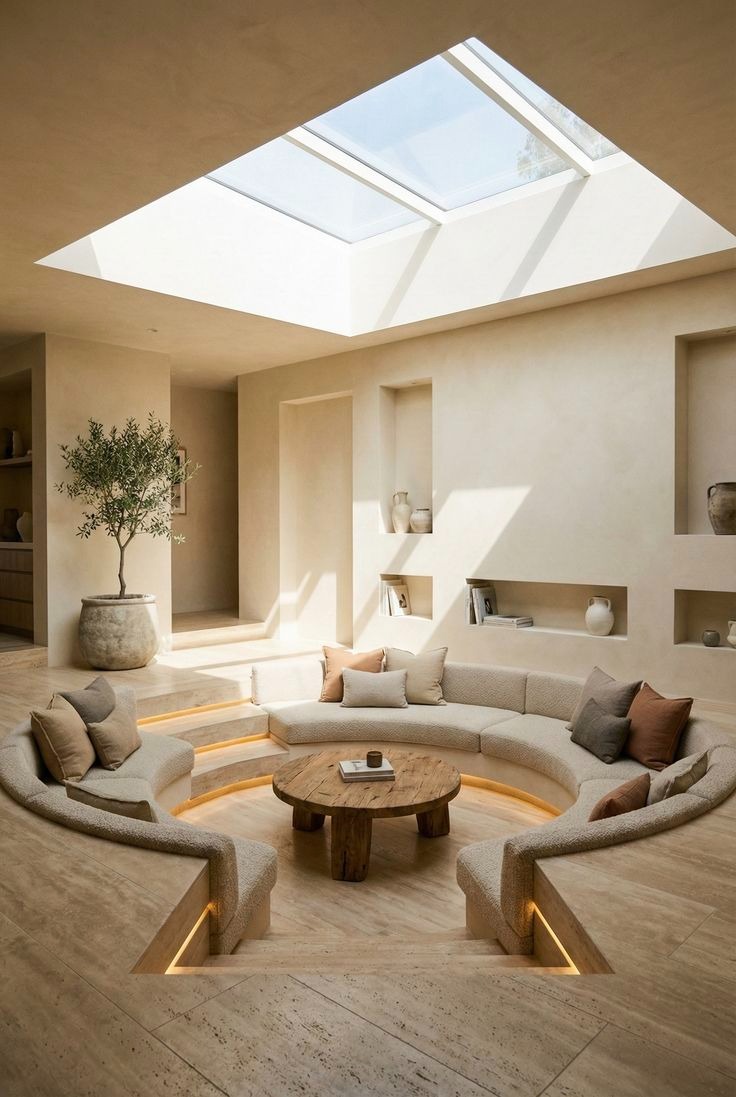
Sharp corners and perfectly straight lines dominated interior design for years, giving homes a clean and minimalist appearance. While that style remains popular, a noticeable shift is taking place in 2026. Designers and homeowners are embracing softer, rounded forms that make spaces feel more welcoming and comfortable. From curved sofas to arched doorways, flowing lines are replacing rigid geometry in luxury homes around the world.
The return of curved interiors is about much more than appearance. Rounded designs improve movement, create visual harmony, and introduce a sense of calm that modern lifestyles increasingly demand. You can already see this trend reflected across premium listings on TheHouse48, where contemporary homes are balancing sophisticated architecture with softer, more inviting interiors.
Humans naturally respond positively to curves. Studies in environmental psychology suggest that rounded forms are perceived as safer and more relaxing than sharp angles. Curves create a subconscious feeling of comfort because they lack the visual tension often associated with pointed edges.
This explains why a curved armchair or circular coffee table often makes a room feel more approachable. Instead of directing your attention abruptly from one point to another, curved elements guide your eyes smoothly throughout the space. The result is an interior that feels balanced, peaceful, and effortlessly elegant.
Modern design is increasingly inspired by nature. Rivers, hills, shells, and leaves rarely follow perfectly straight lines. By introducing curved furniture and architectural details, designers recreate those organic forms indoors.
Arched windows, rounded alcoves, sculptural staircases, and softly curved ceilings help blur the boundary between architecture and nature. These features also work beautifully alongside natural materials such as travertine, oak, limestone, linen, and clay, reinforcing the growing preference for homes that feel authentic rather than overly manufactured.
One of the biggest advantages of curved interiors is improved circulation. Sharp furniture layouts can interrupt movement, especially in open-plan homes. Rounded sofas, oval dining tables, and curved kitchen islands encourage people to move naturally around the room without awkward corners blocking pathways.
This becomes particularly valuable in luxury homes where entertaining is common. Guests can circulate more freely, conversations feel less segmented, and the entire space appears more connected. Even compact homes benefit, as curved furniture often makes smaller rooms feel less confined.

Curves are no longer limited to furniture. Architects are incorporating rounded forms directly into the structure of modern homes. Barrel ceilings, curved walls, arched corridors, and circular skylights create visual interest without relying on excessive decoration.
Unlike trendy finishes that may lose popularity, these architectural details remain timeless because they focus on proportion rather than ornament. They add character while maintaining the clean sophistication today's luxury buyers appreciate.
Lighting also enhances curved architecture beautifully. Soft shadows naturally follow rounded surfaces, giving rooms greater depth throughout the day as sunlight changes position.
The comeback of curved interiors aligns perfectly with the wider movement toward quiet luxury. Instead of impressing through extravagance, today's premium homes communicate quality through thoughtful design and craftsmanship.
A custom curved staircase, a handcrafted crescent-shaped sofa, or a gently rounded fireplace instantly becomes a focal point without dominating the room. These elements demonstrate precision, skill, and confidence in design rather than excess.
This growing appreciation for understated elegance is becoming increasingly visible in luxury developments worldwide, with many exceptional homes featured on TheHouse48 embracing flowing layouts, sculptural furniture, and organic architectural forms that prioritize comfort alongside sophistication.
Curved interiors are more than a passing design trend. They reflect a broader evolution toward homes that promote wellbeing, improve functionality, and create emotional comfort. By replacing rigid geometry with flowing forms, designers are building spaces that feel both luxurious and genuinely livable.
As homeowners continue to value timeless design over short-lived trends, curved architecture and furniture are likely to remain defining features of modern luxury. They prove that sometimes the most elegant statement a home can make is not through dramatic displays, but through the quiet confidence of graceful, flowing lines.
Sign up for our emails and be the first to know about special offers.
Sign In
Comments