
Published on 6/8/2026
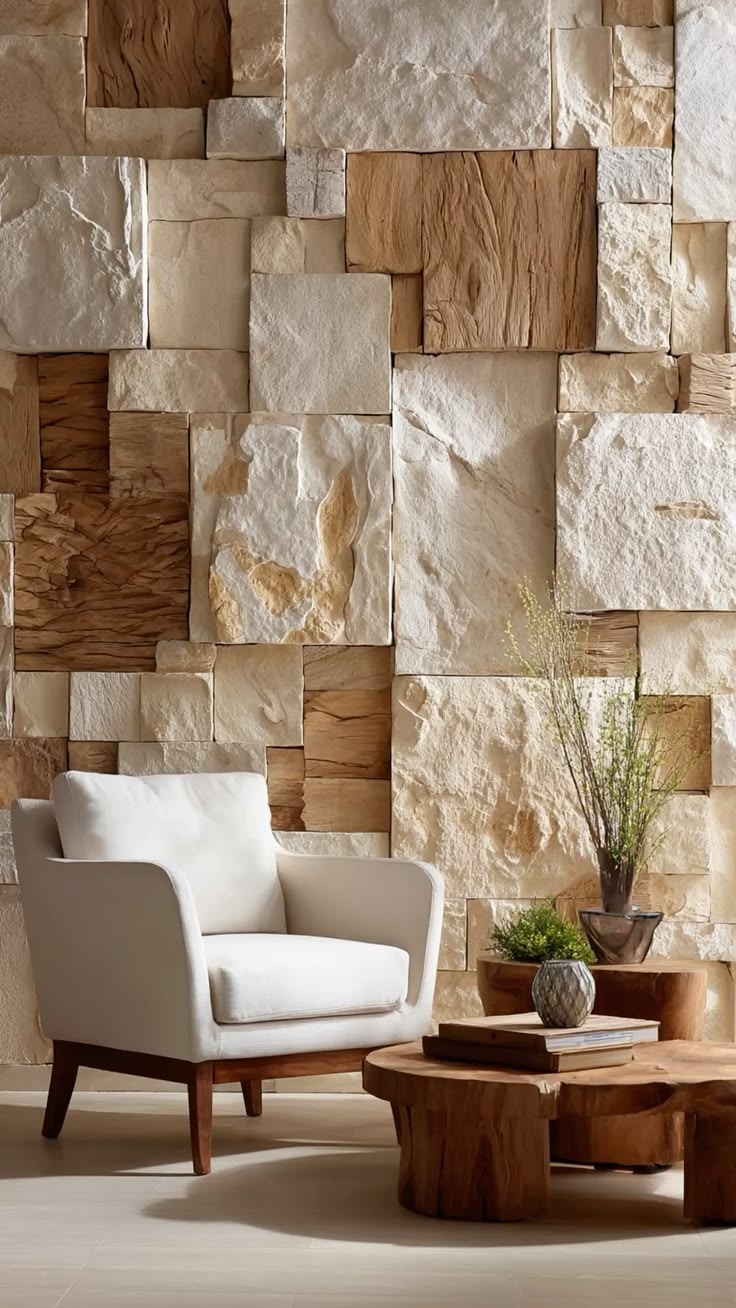
People chase the perfect paint color or the ideal sofa layout. They rearrange chairs, obsess over color palettes, and still feel something is missing. The room stays flat, like a picture without a pulse. Texture is the element that fills that gap. It brings life, warmth, and dimension where color and shape alone fall short.
Texture is more than touch. It includes visual cues, depth, grain, sheen, and the subtle ways surfaces play with light. It shapes how spaces feel the moment you step inside. This guide breaks down why texture matters and how to use it with intention.
The Psychology of Tactile Design
Texture affects us on a deep emotional level. It creates feelings long before we consciously notice them. Designers lean on haptic cues to shape how we experience a room.
Engaging the Senses Beyond Sight
Sight captures attention first, but touch completes the experience. A soft rug or a nubby throw invites you in. Rough textures feel sturdy, smooth ones feel calming. This mix quietly controls a room’s mood.
Start small. Add pillows with varied fabrics or a woven basket. You will feel the space change immediately.
Creating Perceived Warmth and Coolness
Textures carry temperature cues. Velvet drapes feel warm. Polished stone feels cool. Soft fabrics bring coziness. Sleek metals feel crisp and refined.
Imagine a minimalist kitchen. Glossy tiles create a fresh feel. Replace them with rough wood shelves and the room warms instantly. Textures help you shape atmosphere without changing color.
Hard textures project strength. Soft textures soften tension. The right balance sets the emotional tone.
Visual Weight and Balance Through Materiality

Some textures ground a room. Others lift it. Thick wool carpets anchor a space. Sheer linens add air and lightness. This push and pull keeps a room balanced.
In open layouts, heavy rugs define zones. Light fabrics prevent the space from feeling crowded. When balanced well, the room feels calm and intentional.
Defining Texture Types for Impact
Each texture type carries a personality. Choose based on the story you want the space to tell.
Smooth, Glossy, and Reflective Textures
These bounce light and create spaciousness. Polished metals, glass, and lacquered finishes bring shine and sophistication. They make tight rooms feel larger and more open.
One glossy statement piece per wall keeps things balanced. Pair with matte accents for contrast.
Rough, Matte, and Organic Textures
Raw textures add honesty and soul. Brick, clay, concrete, unfinished wood, and linen calm the eye. They produce a grounded, lived-in feel.
Try limewash or textured wall paint. Pair organic materials with smooth ones for contrast and depth.
Soft, Plush, and Layered Textiles
Boucle chairs, velvet sofas, shearling rugs, and chunky knits boost comfort and reduce noise. Layering textiles adds softness and visual richness. These materials are perfect for cozy corners and family areas.
Layering Texture for Interior Depth
Depth appears when textures interact. One texture alone falls flat. Layers build visual movement.
The Rule of Three Textures

Aim for three textures in each zone: a dominant texture, a supporting one, and an accent. A rough wood table, a smooth vase, and a soft runner work together without overwhelming the space.
Stay within your color palette so the contrast feels intentional.
Vertical Texture Application
Walls, drapery, and tall elements make a big impact. Shiplap, textured wallpaper, fluted glass, and thick-woven curtains add structure and interest. Vertical grains help draw the eye upward, especially in tall rooms.
Texture in Fixed Elements
Cabinetry, flooring, and countertops set the foundation. Honed granite adds earthiness. Glossy tiles brighten bathrooms. Rift-sawn oak brings warmth. Choose based on mood and function. Mix smooth cabinetry with textured floors to create balance.
For more inspiration on mixing texture and layout, explore interior examples on TheHouse48.
You can find unique global home styles and finishes by visiting TheHouse48.
Texture as a Problem-Solver in Design
Texture solves many common design problems without major renovations.
Maximizing Light in Dark Spaces
Reflective textures boost brightness. Metallic frames, glossy shelves, and high-sheen paints bounce light around dark corners. Layering sheens from low to high pulls the eye upward and creates an airy feel.
Softening Architectural Hard Lines
Modern rooms often feel harsh because of sharp edges and glass surfaces. Plush rugs, upholstered panels, and woven dividers reduce rigidity. Soft textures shift the mood from cold to welcoming.
Creating Visual Interest in Monochromatic Schemes
Texture prevents single-color spaces from feeling dull. White rooms come alive with linen, plaster, stone, and jute. Grays gain depth through wool, concrete, and silk. Black interiors become luxurious with leather, velvet, and satin.
Use texture to keep minimal spaces interesting while maintaining calm.
The Tactile Takeaway
Texture injects emotion into a home. It builds warmth, depth, and personality. Where color and shape fall short, texture steps in. Contrast makes spaces dynamic. Layering adds richness. Touching materials before buying helps you trust your instincts.
Next time you decorate, run your hand across fabrics, woods, and stone. Let texture guide your choices. For more real-home inspirations, browse design ideas on TheHouse48, where global interiors shine with character.
Sign up for our emails and be the first to know about special offers.
Sign In
Comments