
Published on 7/14/2026
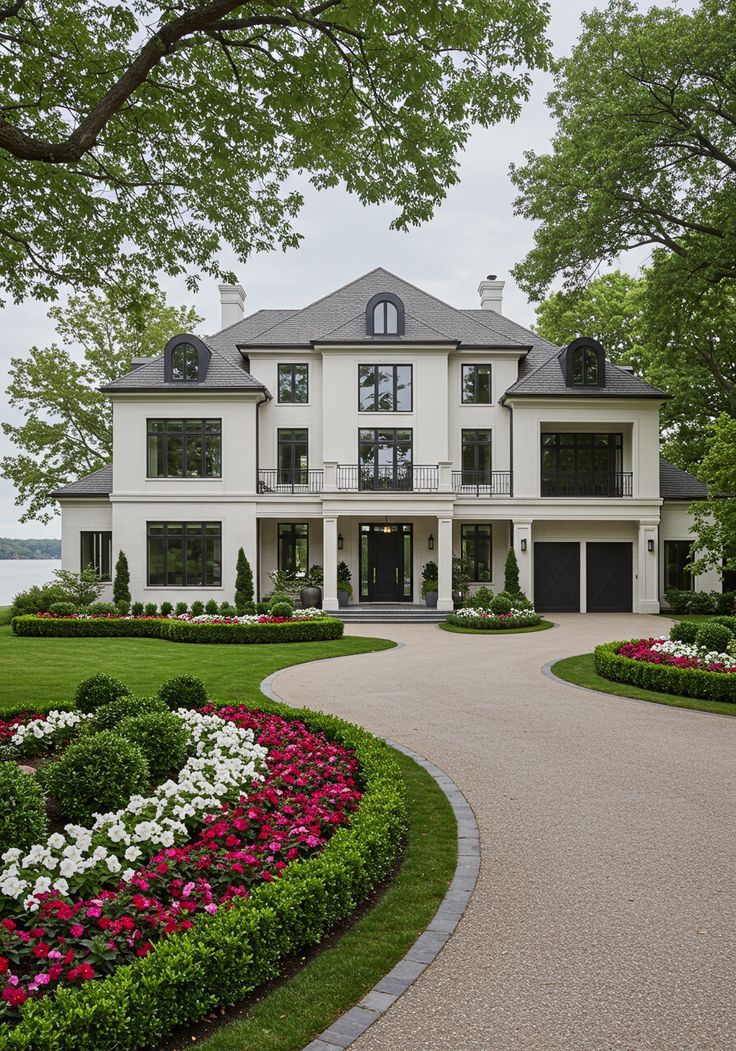
Why do some homes instantly make you feel calm, inspired, or even happier? It is rarely because they are the biggest or the most expensive. Instead, they tap into the way the human mind naturally responds to space, light, texture, and balance. The world's most beautiful homes are carefully designed to influence emotions, often without their owners even realizing it.
A truly beautiful home goes beyond impressive architecture or luxurious finishes. It creates an emotional experience that promotes comfort, wellbeing, and connection. This growing understanding of design psychology is shaping modern residential architecture, and it is one reason why many thoughtfully designed properties featured on TheHouse48 prioritize atmosphere just as much as appearance.
The human brain forms impressions within seconds of entering a space. High ceilings can evoke feelings of freedom and creativity, while lower, intimate spaces often create warmth and security. Wide entrances, uncluttered layouts, and balanced proportions immediately signal order and comfort.
Natural lighting also plays a powerful role. Bright interiors stimulate alertness and positivity, while dim, layered lighting encourages relaxation. Architects carefully position windows to maximize daylight because exposure to natural light has been linked to improved mood, better sleep patterns, and increased productivity.
Beautiful homes understand this balance. They welcome rather than overwhelm.

Every color carries psychological weight. Soft earth tones create feelings of stability and warmth. Blues often encourage calmness and concentration, while greens promote relaxation by reminding us of nature. Rich neutrals like taupe, sand, and warm gray provide sophistication without becoming visually exhausting.
Luxury designers increasingly avoid overly bold color palettes throughout entire homes. Instead, they use restrained colors as a foundation before introducing carefully selected accents through artwork, textiles, or furniture. This creates interiors that remain visually interesting while feeling timeless rather than trendy.
The most successful homes use color intentionally, never randomly.
Humans have an instinctive attraction to natural environments, a concept known as biophilic design. Materials such as wood, limestone, marble, clay, linen, and natural fibers help satisfy that connection even indoors.
Unlike synthetic finishes, natural materials age gracefully. Wood develops character over time, stone acquires subtle patina, and handcrafted surfaces reveal unique textures that cannot be replicated by machines. These imperfections create authenticity, making a home feel lived in rather than staged.
Even small additions, such as wooden furniture or stone countertops, can strengthen this psychological connection to nature.
A beautiful home is not necessarily filled with expensive furniture. More often, it feels organized and intentional. Visual clutter forces the brain to process unnecessary information, increasing stress and reducing focus.
Built-in storage, concealed appliances, multifunctional furniture, and thoughtfully arranged layouts help eliminate distractions. Every object has a purpose and a place.
Open circulation also contributes to mental comfort. When movement between rooms feels effortless, the home appears larger, calmer, and more harmonious. This attention to functionality has become a defining feature of many contemporary luxury homes showcased on TheHouse48, where elegant design works hand in hand with practical everyday living.
The most memorable homes reflect the people who live in them. Personal artwork, meaningful collections, family photographs, handcrafted furniture, and travel souvenirs create emotional depth that no showroom can replicate.
Rather than following every new design trend, homeowners increasingly choose pieces that tell their own stories. This makes spaces feel authentic and welcoming instead of perfectly staged but emotionally empty.
Psychologists often note that environments reflecting personal identity strengthen feelings of comfort, belonging, and security.
The most beautiful homes appeal to all the senses. Soft fabrics invite touch. Gentle lighting creates warmth. Quiet acoustic design reduces noise. Pleasant natural scents enhance relaxation, while carefully planned ventilation keeps indoor air feeling fresh.
Together, these invisible details create an atmosphere that people remember long after they leave. Luxury is no longer measured simply by expensive finishes, but by how a home makes its occupants feel every single day.
As modern design continues to evolve, the psychology behind beautiful homes becomes increasingly important. The most desirable properties are those that combine thoughtful architecture with emotional intelligence, creating spaces that nurture wellbeing, inspire creativity, and offer lasting comfort. In the end, true beauty is not simply what a home looks like. It is how beautifully it allows people to live.
Sign up for our emails and be the first to know about special offers.
Sign In
Comments