
Published on 2/3/2026
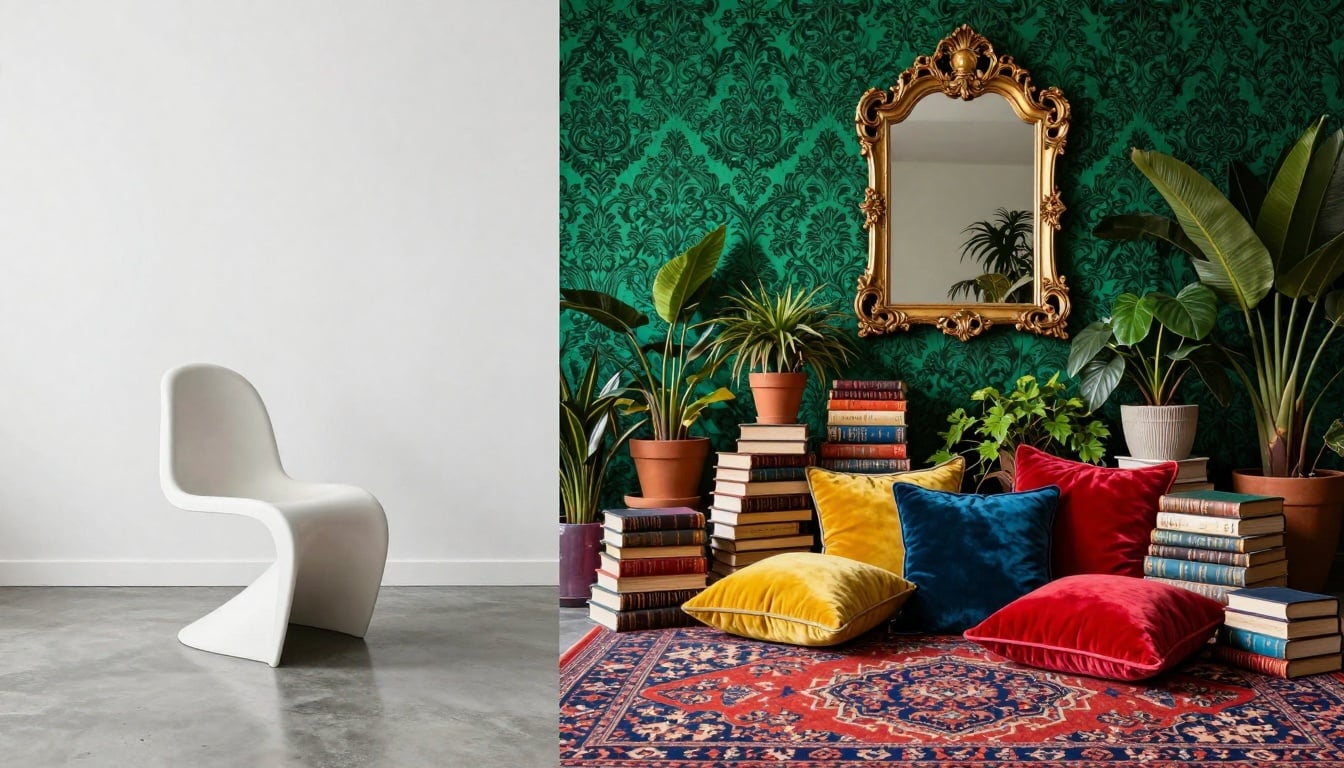
Imagine walking into your home after a long day. Do you want a calm space that helps you unwind, or do you prefer walls bursting with color and memories? This pull between minimalist and maximalist design shapes how we feel in our homes. Minimalism stands for simplicity and calm; maximalism embraces bold expression and layers of personality. Here’s how both styles differ, and where they overlap, so you can see which fits you best. Want to see how different design styles show up in real homes? Explore curated interiors and listings on TheHouse48 for inspiration.
Minimalism isn’t just about neat rooms. It’s a mindset that values purpose and clarity. Every item earns its place, creating peaceful, open spaces that support focus and relaxation. Empty space isn’t seen as missing, it’s part of the design.
Clean lines, functional furniture, and neutral tones like beige, gray, and soft whites build the base of a minimalist home. Negative space gives each piece room to shine. The goal is intentional living, choosing items because they matter, not because they’re trending.
This style reduces visual noise, saves time, and makes everyday movement easier. You build around what you truly love.
A clutter-free room lowers stress and helps your mind rest. Too many objects can overwhelm the brain, making it harder to concentrate or relax. Decluttering doesn’t have to be drastic, start small:
Think natural wood, simple metals, and clean glass. These materials age well and pair with almost anything. Multi-functional pieces like storage beds or expandable tables fit the minimalist approach. A few well-made items often outshine a room filled with cheaper pieces.
Maximalism embraces individuality. It’s vibrant, expressive, and full of pieces that tell your story, from travel souvenirs to colorful art and layered patterns. Where minimalism whispers, maximalism bursts with personality.
Maximalist rooms welcome rich colors, mixed patterns, and bold details. Velvet next to rattan, florals beside stripes. it's all about controlled contrast. Start with one standout pattern, then layer in smaller ones for balance.
Maximalism works best when collections are meaningful, not random. Books, framed art, and unique objects. Each should add to the narrative of your space. Group items by theme or color to keep the room full but not chaotic.
Statement pieces like oversized art, ornate chandeliers, or a richly colored sofa anchor the room. These focal points keep the design intentional and prevent sensory overload.
Minimalism prioritizes function and clarity. Maximalism prioritizes emotion and expression. Your lifestyle determines which wins for you.
Minimalist homes lean on soft neutrals that bounce light and make rooms feel larger. Maximalist spaces use jewel tones and layered textures to create warmth and drama. Neutrals soothe; bold colors energize.
Minimalism often means buying fewer but higher-quality pieces. The upfront costs can be higher, but replacements are rare. Maximalism spreads purchases out, collecting over time but accessories and artwork can add up.
Minimalist spaces require frequent tidying because surfaces are exposed. Maximalist spaces need consistent dusting and editing to stay fresh. Both styles adapt easily with small seasonal changes.
Most people land somewhere in the middle. Warm minimalism softens clean lines with texture and earthy tones. Balanced maximalism brings energy but keeps colors cohesive and collections intentional.
Linen fabrics, warm woods, and soft lighting prevent minimalist spaces from feeling stark. Swapping bright whites for creamy neutrals adds comfort without clutter.
Neutral walls, themed displays, and color-linked pieces keep maximalist rooms expressive but harmonized. Build slowly; a shelf, a corner, then a room.
There’s no winner here, just what feels right for you. Minimalism offers clarity; maximalism offers joy. Choose the approach that supports your lifestyle and personality.
Sign up for our emails and be the first to know about special offers.
Sign In
Comments