
Published on 5/12/2026
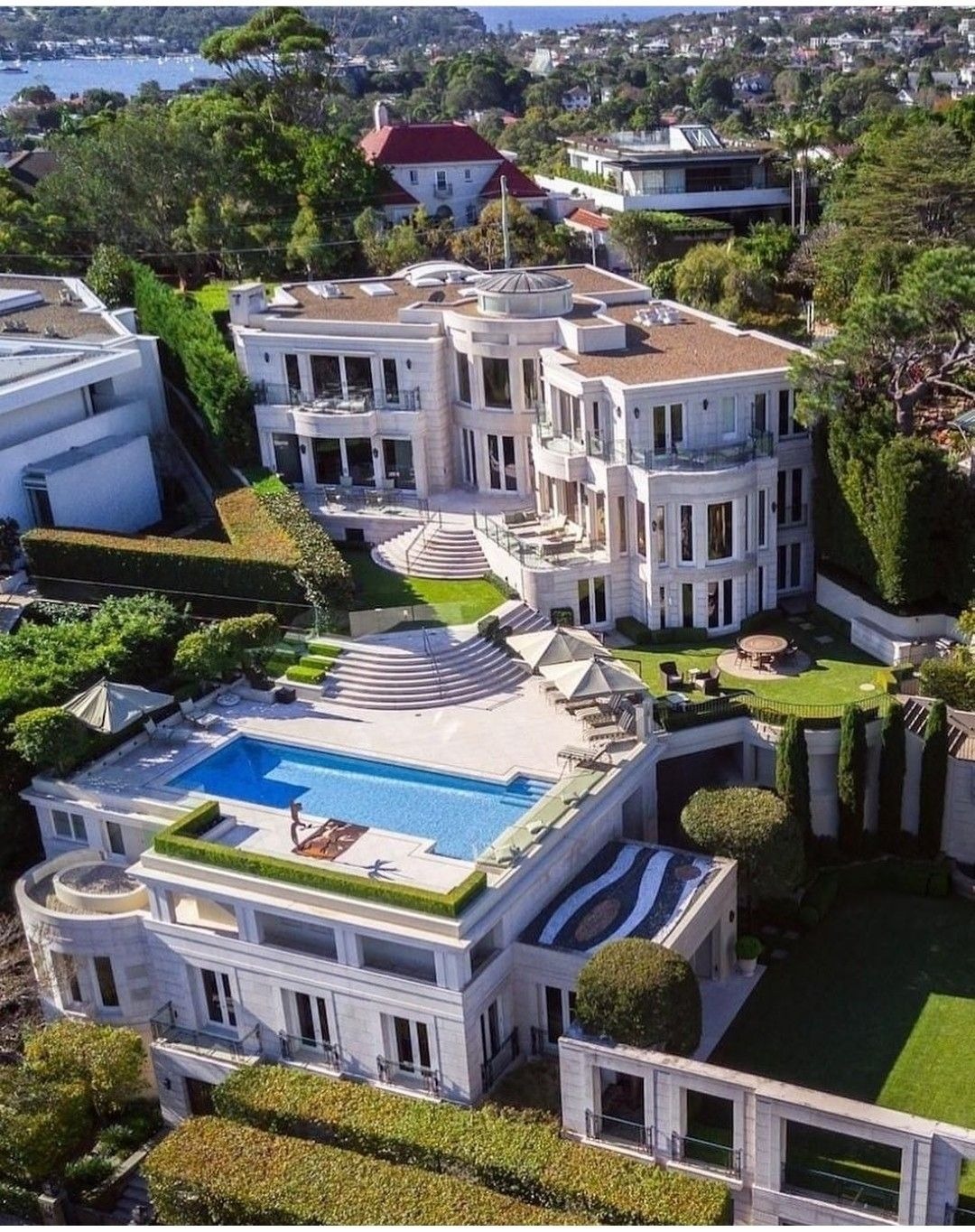
Ultra luxury real estate in 2026 redefines what it means to live well. It is no longer about oversized mansions with postcard views. It is about estates designed to adapt to your rhythms, protect your wellbeing, and remain resilient for decades. The most iconic properties this year blend advanced sustainability with intuitive technology, proving that true wealth lies in long term comfort and future ready design.
This year marks a major shift because many of the world’s top estates completed construction in early 2026 after years of planning. Developers leaned heavily into full solar integration, smart energy management and wellness driven layouts. According to TheHouse48, buyers at the top end now expect high performance systems as a standard rather than an upgrade. These homes showcase what happens when innovation becomes the foundation of luxury.
Leading architects are shaping 2026’s estates with ideas rooted in connection rather than spectacle. Homes in areas like California’s coastal hills or the Hudson Valley use strong indoor outdoor transitions to make spaces feel alive. Instead of relying on dramatic ornamentation, the design speaks through honest materials and thoughtful form.
Local stone, reclaimed timber and regionally sourced finishes are common choices. These reduce transportation emissions and help estates sit naturally within their landscape. The result is a sense of belonging, as if the home grew out of the land itself. Many of these properties also use passive cooling techniques, deep roof overhangs and high performance windows to lower long term energy demands.

One of the defining trends of 2026 is bio integrated design, where built environments merge with natural systems. Living walls filled with native plants regulate temperature and improve indoor air quality. Green roofs reduce stormwater runoff and create wildlife friendly microhabitats. Some homes bury secondary wings partially underground to use the earth for insulation and privacy.
Several winners from the 2026 Sunset Home Design Awards demonstrate the impact of this approach. A standout estate in the Pacific Northwest features indoor courtyards threaded with native streams and ferns. This layout lowers energy use by nearly 30 percent and gives residents continuous contact with nature. Another notable residence in Sonoma County integrates vineyard landscapes directly into the architecture, allowing grapevines to climb structural pergolas that shade outdoor rooms.
The smartest estates of 2026 use technology to simplify routines rather than overwhelm them. AI enabled systems anticipate lighting, climate and security needs. Home energy dashboards track real time solar production and battery storage. Filtration systems monitor air and water quality, alerting owners of changes immediately.
Privacy tech has also advanced. Acoustic dampening architecture, discreet perimeter sensors and smart glass that switches from clear to opaque at the touch of a button create a secure, calm environment. These features appeal to high net worth buyers who value discretion as highly as aesthetics.
The estates defining 2026 are not built as vanity projects. They are long horizon investments designed to stay relevant for decades. High efficiency materials reduce maintenance. Flexible floor plans allow families to age in place. Water recycling systems and drought tolerant landscaping preserve resources and cut ongoing costs.
As luxury markets evolve, buyers continue turning toward estates that provide permanence along with beauty. High performance design is no longer experimental. It is essential, and properties that lack it fall behind quickly. For buyers searching globally, platforms like TheHouse48 highlight how demand continues shifting toward homes that marry innovation with livability.
These iconic estates do not just reflect wealth. They reflect a new era of thoughtful, responsible luxury.
Sign up for our emails and be the first to know about special offers.
Sign In
Comments