
Published on 6/24/2026
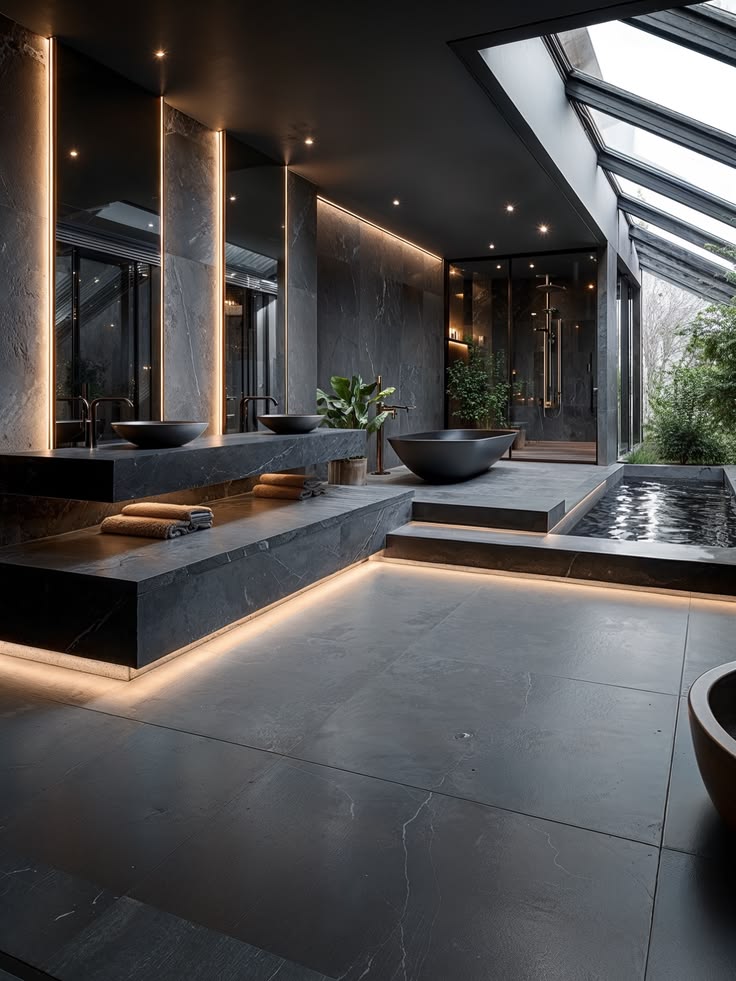
Most people think of a mansion as everything you can see above ground. The grandest properties in the world are increasingly defined by what sits beneath them. A growing category of ultra-luxury real estate is no longer measured in bedrooms or square footage alone, but in floors below the surface, in self-contained communities built into the earth with the same ambition and detail as anything standing above it. At TheHouse48, we believe this shift represents one of the most fascinating developments in how the world's wealthiest buyers are rethinking what home actually means.
The Underground That Feels Like a Neighbourhood
The Survival Condo in Concordia, Kansas is perhaps the most extensively documented example of this thinking taken to its furthest conclusion. Converted from a decommissioned Atlas F intercontinental ballistic missile silo, the facility stretches across 15 underground floors and is designed to support up to 75 people for more than five years. What makes it remarkable is not the engineering alone but the texture of daily life it has been built to sustain. Amenities include a pet park, climbing wall, classroom, library, gym, bar, cinema and a saltwater pool with a water slide, alongside an aquaculture setup for raising fish and hydroponics for growing organic vegetables and fruits. As of 2025, units were priced between $1.5 million and $3 million, with the penthouse starting at $4.5 million. This is not a bunker. It is a fully functioning residential community that happens to be buried 200 feet underground. Architectuule-architect
The European Vision of Underground Luxury
On the other side of the world, the Oppidum in the Czech Republic takes the concept into an entirely different register. Billed as the largest billionaire bunker in the world, the complex spans over 323,000 square feet and features an above-ground level with a golf course, helipad and automatic defence technology, alongside a cavernous underground shelter. Originally built in 1984 as a joint project between the Czech government and the Soviet Union, it was acquired in 2013 by real estate entrepreneur Jakub Zamrazil and reimagined as a private ultra-luxury residence. The underground complex features a 6,750-square-foot master apartment, seven suites and a subterranean garden with simulated natural light designed to mimic a sunny day above ground. Living rooms and bedrooms include virtual window panels that project the illusion of the outside world. The ambition is not survival. It is seamless, uninterrupted luxury beneath the surface. DomusDomus
The Iceberg Home Trend Closer to Home

Not every underground village is built around catastrophe. In Southern California, a quieter but equally compelling version of this idea has been growing steadily. Dubbed iceberg homes, these properties present modest or conventionally sized facades above ground while concealing vast subterranean extensions below. Wine cellars, home theatres, wellness spas, indoor sports courts and additional bedroom suites are increasingly being built into the bedrock beneath luxury properties, adding square footage that never appears on the streetscape. It is an architectural sleight of hand that allows owners to dramatically expand their living space without changing the external character of the home.
What Buyers Are Really Investing In
The underground village is ultimately about control, the ability to dictate every condition of one's environment regardless of what is happening outside. Privacy, security, self-sufficiency and space without visual exposure are the driving values here. TheHouse48 works closely with buyers who ask the deeper questions about what a property can sustain over time, not just what it presents on arrival. The mansion with its own underground village is the most extreme answer to that question, and increasingly, it is not a fantasy. It is a real estate category.
Sign up for our emails and be the first to know about special offers.
Sign In
Comments