
Published on 2/9/2026
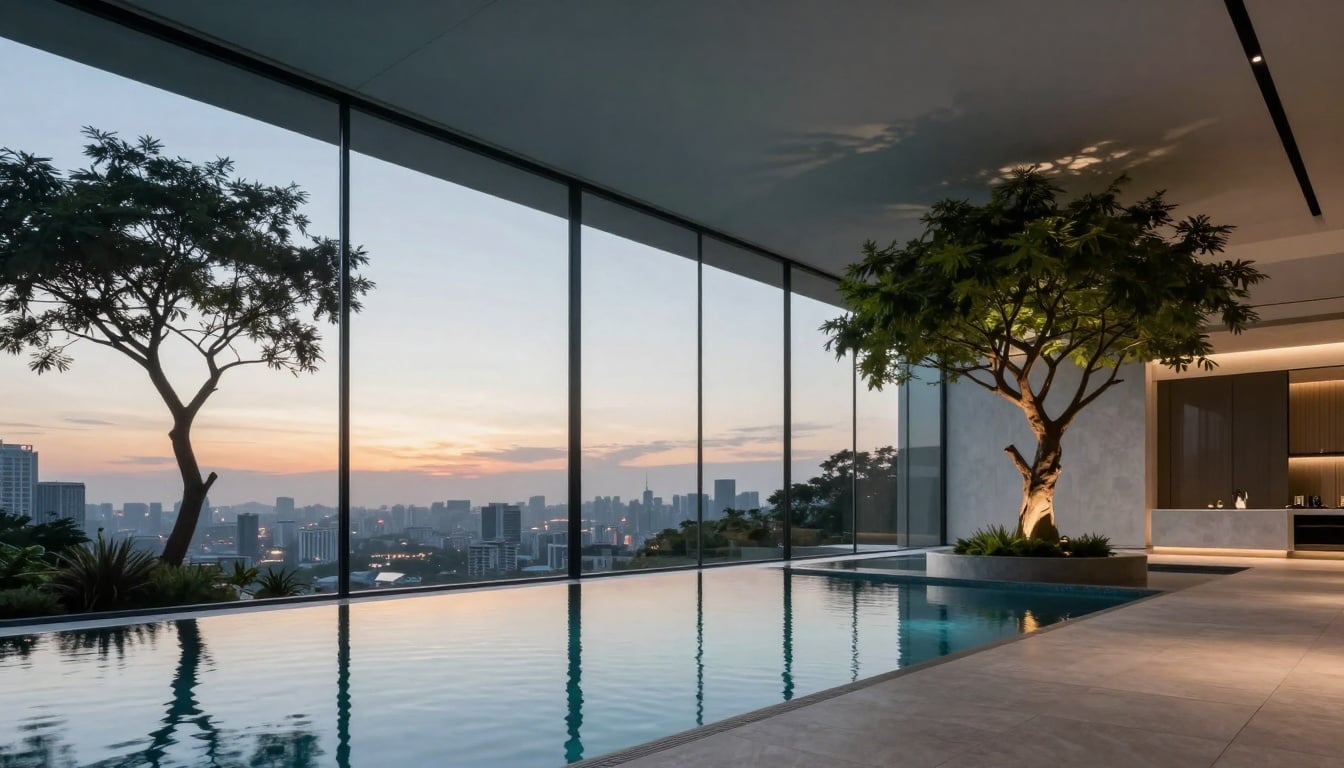
Luxury homes no longer follow trends. They shape them. What felt impressive years ago now seems ordinary, and high-end buyers want spaces built to stay relevant. Modern estates blend technology, sustainability, and wellness into their core design, creating homes that adjust as life changes. Every room functions with intention and feels ready for the future. Want to know more about real estate? Check listings and local market insights on TheHouse48.
Top-tier homes are planned with long-term use in mind. The goal is timeless design that remains practical as styles evolve.
Open layouts dominated for years, but buyers now want rooms that switch roles easily. A home office can become a guest room with sliding partitions. Families learned during the pandemic that versatility matters, so luxury homes now include multi-use suites for kids, older relatives, or hybrid work. Smart storage and movable dividers help the home adapt without renovations.
High-end properties prioritize durable and responsibly sourced materials. Bamboo flooring, recycled glass counters, and innovative surfaces that clean air or resist wear are replacing older choices. Buyers also value knowing where materials come from and prefer products tied to ethical suppliers. These thoughtful selections reduce maintenance and increase long-term value.
Nature-inspired design is now standard in luxury builds. Instead of bold displays, greenery blends into the architecture. Large windows invite natural light, ventilation pulls in fresh air, and plant walls become part of the overall layout. These subtle touches improve mood, reduce stress, and make indoor spaces feel alive.
Modern luxury hides its tech. Systems run quietly, offering convenience without clutter.
Central hubs control lighting, locks, climate, and more. They operate with fast response times and stronger cybersecurity than basic smart devices. Predictive sensors detect leaks or electrical issues early, preventing damage. The entire network is built to update as new tech arrives.
Media rooms now blend into the home instead of standing out. Screens disappear into walls, and audio wraps the room without visible speakers. Acoustic treatments optimize sound for movies, music, or gatherings. Whether for large groups or quiet evenings, the experience rivals high-end theaters.
Solar panels, backup batteries, geothermal heating, and water recycling systems help homes operate during outages. Some luxury communities even use microgrids for shared energy resilience. These features provide comfort and peace of mind during extreme weather and offer long-term savings.
Wellness is no longer an add-on feature. Entire properties are designed to support a healthier lifestyle.
Whole-home filtration eliminates pollutants and improves indoor air quality. UV light sanitation and mineral-rich water systems elevate everyday living. Buyers now check air and water performance the same way they check appliances.
Bedrooms are engineered for rest. Lighting shifts through the day to support natural sleep cycles. Soundproofing, blackout shades, and controlled temperature help residents wake up refreshed. These elements appeal especially to city buyers who struggle with noise and light pollution.
Luxury gyms now include recovery areas, cryotherapy spaces, hydrotherapy tubs, and zones for yoga or meditation. Built-in systems track wellness metrics and help residents maintain their routines without leaving home.
Eco-conscious living now defines modern prestige. Green features increase property value and reduce long-term costs.
Many luxury homes aim for net-zero energy. Certifications like LEED Platinum signal efficient construction and reduced waste. Passive heating and cooling designs lower energy bills significantly.
Solar energy, efficient systems, and durable materials reduce yearly expenses and maintain higher resale value. Green features are now major selling points for investors.
Native plants require less water and attract local wildlife. Smart irrigation uses minimal resources. These landscapes make outdoor areas look beautiful while supporting the environment.
Modern estates function like discreetly staffed hotels.
Service quarters, back corridors, and private access routes keep household operations invisible. Smart closets manage climate-sensitive clothing, and automated inventory systems track wine or pantry items. Homes are prewired for future tech, including autonomous vehicles, drones, and robotics.
The next wave of luxury real estate blends long-lasting design, smooth technology, wellness priorities, sustainability, and effortless service. These homes aren’t built for the moment—they’re built for what’s coming.
If you’re exploring high-end listings, focus on properties planned with the future in mind. Your ideal home should look beautiful today and stay functional for years to come.
Sign up for our emails and be the first to know about special offers.
Sign In
Comments