
Published on 5/21/2026
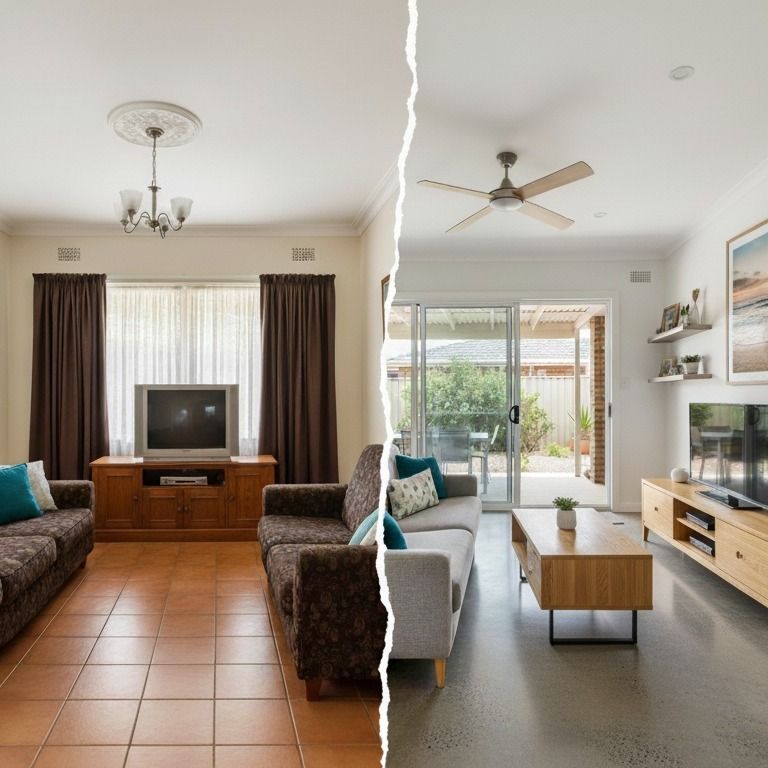
Homeowners are spending more time indoors, and that shift is driving a surge in luxury home upgrades for 2026. Buyers are no longer just looking for comfort, but for homes that protect, adapt, and actively improve daily living. Many of these evolving design directions are already reflected in curated listings on TheHouse48, where modern residences increasingly combine technology, wellness, and sustainability in one seamless experience.
Introduction: Redefining Luxury in the Next Era of Homeownership
Luxury homes in 2026 are shaped by three major forces: smart technology, sustainability, and wellness-driven design. Instead of isolated upgrades, homes now function as integrated systems that learn, adapt, and respond to their owners.
High-end real estate is shifting toward spaces that feel personal and intelligent. Predictive automation, eco-conscious construction, and tailored interiors are no longer optional features but core expectations.
The Hyper-Intelligent Home: Seamless Automation and AI Integration
AI is becoming the backbone of luxury living, quietly managing everything from lighting to security. Homes now anticipate routines, adjusting environments before a request is even made.
Predictive systems reduce energy use while improving convenience. Appliances, climate control, and security now operate as one connected network, creating a smooth, intuitive living experience.
Invisible Technology and Contextual Computing
Technology is becoming less visible and more integrated into design. Smart glass adjusts automatically to sunlight, while hidden charging surfaces keep spaces clean and minimal.
Lighting systems now respond to mood and activity, removing the need for manual controls. This invisible approach allows homes to feel more natural while still highly advanced.
Energy Ecosystem Management
Energy management systems now track consumption in real time, optimizing usage across solar panels, batteries, and appliances.
Homes can now operate with partial or full grid independence, reducing costs and increasing resilience. AI-driven energy optimization ensures efficiency without sacrificing comfort.
Biometric Security and Personalized Access

Security systems now rely on facial recognition and behavioral data instead of traditional keys. Homes adjust lighting, temperature, and settings automatically as residents enter.
This creates a secure yet highly personalized environment where each occupant experiences a tailored version of the home.
Wellness Architecture: Designing for Physical and Mental Resilience
Wellness has become central to luxury design, with homes built to actively support health and recovery. Air quality, lighting, and spatial flow are all designed with measurable well-being in mind.
Advanced Air and Water Purification Infrastructure
Modern homes now include hospital-grade air and water systems that remove pollutants and balance humidity levels.
These systems create sealed, controlled environments that reduce allergens and improve long-term health, especially in high-density urban areas.
Dedicated Recovery and Performance Zones

Luxury homes now feature spaces designed for physical and mental recovery. Infrared saunas, cold plunge areas, and meditation rooms are becoming standard in high-end builds.
Circadian lighting systems support sleep cycles, while soundproofing enhances relaxation and focus.
Kitchens as Nutritional Command Centers
Kitchens are evolving into health-focused hubs. Smart appliances track ingredients, suggest meals, and support specific dietary needs.
Integrated systems now make cooking more efficient and nutrition more intentional, turning everyday meals into optimized routines.
Materiality and Craftsmanship: The Return to Tactile Luxury
Despite rapid technological growth, there is a strong return to natural materials and craftsmanship. Luxury now also means texture, touch, and authenticity.
Artisanal Fixtures and Integrated Lighting Design
Custom-made fixtures and layered lighting are replacing mass-produced designs. Hand-finished metals and sculptural lighting pieces now define focal points within interiors.
Lighting is used not just for function, but to shape atmosphere and highlight architectural details.
Outdoor Living: The Extended Sanctuary
Outdoor spaces are now designed as full extensions of the home, offering comfort and usability throughout the year..
The Professional-Grade Outdoor Kitchen
Outdoor kitchens now rival indoor setups, featuring full cooking stations, refrigeration, and beverage systems.
They transform outdoor spaces into fully functional entertaining zones.
Maximizing Return on Investment: Future-Proofing the Estate
Luxury upgrades are increasingly focused on long-term value and adaptability. Buyers are prioritizing homes that can evolve over time.
Adaptable Interior Floor Plans
Flexible layouts with movable walls and multi-use spaces allow homes to adjust to changing needs, from remote work to multi-generational living.
This adaptability significantly improves long-term usability.
The Uncompromised Residence of 2026
Luxury homes in 2026 are defined by intelligence, wellness, and adaptability. They are no longer static spaces but responsive environments built to improve how people live.
These evolving standards are already visible across forward-thinking properties on TheHouse48, where modern design, technology, and comfort come together in a more intentional way.
Sign up for our emails and be the first to know about special offers.
Sign In
Comments