
Published on 4/16/2026
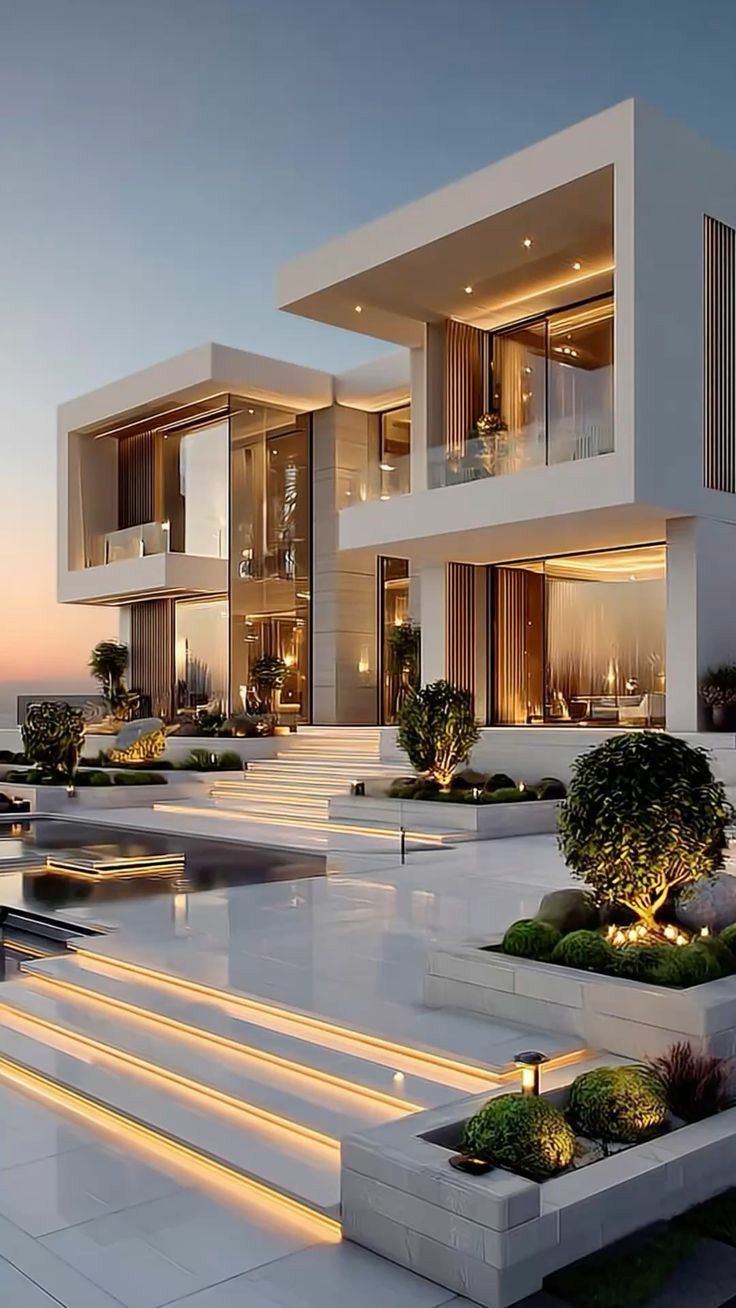
Luxury has changed. It no longer means piling up things for show. In 2026, it is about smart living that improves daily life and lasts for years. After the pandemic and rapid tech growth, high-end homeowners now want spaces that support health, use technology quietly, and respect the environment. Wellness, innovation, and sustainability now define what true luxury looks like.
Hyper-Personalized Wellness Sanctuaries
Homes are becoming deeply personal wellness hubs. Instead of separate spas or gyms, the entire house works to improve your physical and mental state.
Bio-Integrated Architecture and Air Quality
Modern luxury homes now feature walls and lighting systems that adjust to your body clock. Circadian lighting mimics natural daylight patterns, helping you sleep better and stay energized during the day. Advanced air systems use HEPA filtration and UV purification to remove pollutants and bacteria.
Indoor greenery is no longer decorative alone. Living walls filled with plants clean the air and reduce stress levels. These biophilic elements create a calm environment that feels closer to nature, even in urban areas.
Homes built with these features often see a noticeable rise in value because buyers recognize the long-term health benefits. Living in a space that actively supports your well-being is now a key marker of luxury.
Home Fitness Redefined: The Recovery Suite

Traditional home gyms are evolving into full recovery zones. Instead of focusing only on workouts, these spaces prioritize what happens after exercise.
Cryotherapy chambers, infrared saunas, and massage systems are now common in luxury homes. These tools help reduce muscle soreness and improve recovery time. Some homes even include diagnostic systems that track heart rate, muscle fatigue, and overall performance in real time.
Telemedicine integration allows homeowners to connect with health professionals instantly. This turns the home into a private wellness center where prevention and recovery happen seamlessly.
Personalized Culinary Ecosystems
Kitchens are becoming smarter and more self-sufficient. Vertical gardens grow herbs and vegetables indoors using hydroponic systems. This ensures fresh ingredients are always available.
AI-powered systems suggest recipes based on available ingredients and personal preferences. Smart storage tracks expiration dates and reduces food waste. Some luxury kitchens even include advanced cooking tools inspired by professional chefs, allowing homeowners to experiment with new techniques.
Meals become more than just food. They turn into curated experiences built around health, sustainability, and personal taste. For more ideas on how modern kitchens are evolving, explore insights on TheHouse48 and how design trends are shaping everyday living.
Sustainable Sophistication and Circular Luxury
Sustainability is no longer optional in luxury real estate. It is now a defining feature. High-end homes are designed to give back to the environment while maintaining comfort and elegance.
Net-Zero Estates and Regenerative Design

Many luxury properties now produce as much energy as they consume. Solar panels, wind systems, and advanced insulation make homes self-sufficient. Water recycling systems reuse greywater for irrigation, reducing waste.
Some estates go even further by restoring the land around them. Regenerative landscaping improves soil health and supports local ecosystems. These homes do not just exist on the land. They actively improve it.
This shift is not just ethical. It also increases long-term property value as regulations and buyer expectations continue to evolve.
Material Provenance and Traceability
Luxury buyers now care deeply about where materials come from. Wood, stone, and metals are sourced responsibly, with full transparency in the supply chain.
Blockchain technology helps verify the origin of materials, ensuring ethical practices. Buyers often request detailed reports before purchasing a property. This level of awareness adds another layer of meaning to luxury design.
Homes built with responsibly sourced materials tell a story of craftsmanship and integrity, making them more appealing to modern buyers.
Investment in Longevity Over Trend
Instead of chasing fast trends, luxury homeowners invest in pieces that last. Custom furniture made from reclaimed wood or high-quality metals is designed to age beautifully over time.
These choices reduce waste and often hold their value better than mass-produced alternatives. A well-crafted piece becomes part of the home’s identity and can be passed down through generations.
This focus on longevity reflects a broader shift toward thoughtful consumption in high-end living.
The Seamless Integration of Invisible Technology
Technology is still central to luxury homes, but it is no longer meant to be seen. The best systems work quietly in the background, enhancing life without drawing attention.
Ambient Intelligence and Predictive Living
Smart homes now learn from your habits. Lighting adjusts automatically based on your routine. Climate systems respond to your preferences without manual input. Even scents and background sounds can shift to match your mood.
This predictive technology reduces effort and creates a smooth daily experience. Homeowners spend less time managing systems and more time enjoying their space.
The Metaverse Home Office and Digital Twin Experiences
Workspaces are evolving with immersive technology. Virtual reality allows for realistic remote meetings, while augmented reality overlays useful information onto physical environments.
Digital twins create a virtual replica of your home. You can monitor systems, manage maintenance, or even showcase your property remotely. This is especially useful for owners with multiple residences.
These tools make luxury living more flexible and efficient, especially for global lifestyles.
Advanced Home Security Ecosystems

Security systems now combine physical and digital protection. Biometric access replaces traditional keys, using fingerprints or vein recognition for entry.
AI-powered surveillance systems detect unusual activity and respond instantly. Drone patrols add another layer of monitoring, especially on large estates.
Cybersecurity is also a priority, protecting smart home systems from digital threats. Together, these features create a secure environment without disrupting daily life.
Experiential Real Estate and Fractional Ownership Models
Luxury is shifting from ownership to access. Many high-net-worth individuals now prioritize experiences over permanent assets.
The Rise of Third Places in Residential Design
Modern luxury developments include shared spaces that go beyond the home. These may include private libraries, wine-tasting rooms, performance spaces, or wellness centers.
These areas encourage social interaction and create a sense of community among residents. Living becomes more dynamic, with opportunities to connect and explore new interests.
Fractionalizing High-Value Assets
Instead of owning everything outright, buyers are sharing high-value assets. Yachts, private jets, and even fine art collections are now co-owned.
This approach reduces costs while maintaining access to luxury experiences. It also allows owners to enjoy a wider range of assets without the burden of full ownership.
Curated Location Mobility
Luxury homeowners are no longer tied to one location. Property management services coordinate multiple residences across the world.
Homes are prepared in advance based on your arrival. Climate settings adjust, groceries are stocked, and everything is ready for immediate use. This creates a seamless lifestyle where movement between locations feels effortless.
The Future of Bespoke Opulence
Luxury living in 2026 centers on purpose. Homes are designed to improve health, reduce environmental impact, and simplify daily life through smart technology. Experiences now matter more than excess, and quality outweighs quantity.
The key shifts are clear. Wellness is built into every space. Sustainability guides every decision. Technology works quietly in the background. Ownership evolves into access and flexibility.
These trends are shaping homes that are not just impressive, but deeply functional and meaningful.
Sign up for our emails and be the first to know about special offers.
Sign In
Comments