
Published on 5/25/2026
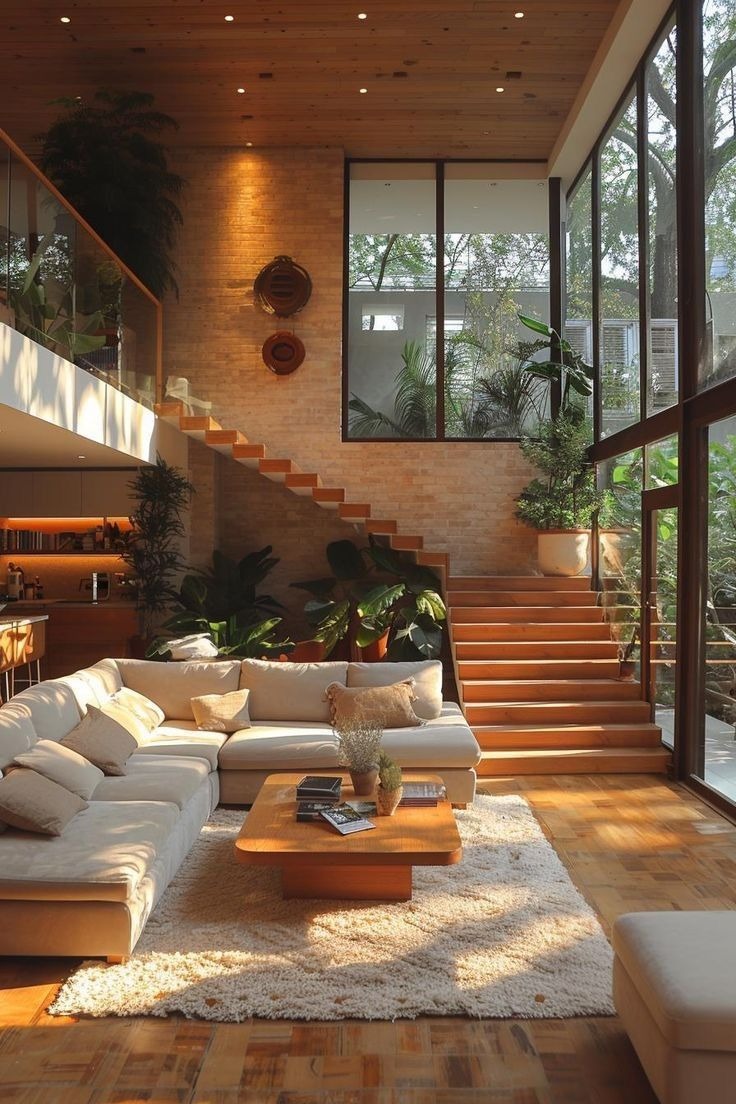
Walk into any modern home or office and you feel the weight of recent design extremes. Maximalism overwhelmed us with objects, while hyper-minimalism stripped spaces until they felt cold and impersonal. People wanted clarity, not emptiness, and comfort, not clutter. Somewhere in this shift, a new movement emerged. It is the most unexpected design direction of 2026, and it is called Neo-Utilityism. If you are exploring how this trend might influence real estate choices, TheHouse48 is a great place to study real homes adopting these ideas.
Defining Neo-Utilityism: Beyond Brutalism
Neo-Utilityism puts function and material honesty ahead of ornamentation. It values real surfaces, real construction, and real usability. The goal is not to make things look rough but to show what is true. Beauty comes from purpose, not decoration.
Material Honesty
This approach rejects fake finishes. Steel looks like steel. Concrete looks like concrete. Wood stays raw. These materials form a direct relationship with the user because nothing is hidden or disguised. People trust what they can see and touch.
Structural Transparency
Instead of hiding pipes and mechanisms, Neo-Utilityism reveals them. You see how pieces connect and how they can be repaired. This transparency encourages longevity, because an object you understand is an object you maintain.
Adaptive Form
Designs in this style welcome use. Patinas, scuffs, and marks become part of the object’s story. Modular pieces allow quick rearrangement, letting your environment shift with your needs instead of staying fixed.
The Tech Interface Overhaul
Technology is moving past glowing screens and toward interaction that blends into physical space.
Ghost Interfaces
Ambient computing makes devices feel natural. You control lighting with gestures or feel tactile responses when adjusting temperature. Interfaces appear only when needed.
Biomimicry in Interaction
Signals mimic natural patterns. Slow pulses or quick vibrations communicate more quietly and intuitively than alerts and pop-ups.
Durability as the New Smart
Repairability is becoming a core tech feature. Devices are designed so you can replace parts instead of replacing the whole product. Technology becomes a long-term tool instead of something disposable.
Interior Spaces: The Factory Floor as Inspiration
Homes are evolving into efficient, adaptable systems where everything has a clear role.
Modular Flexibility
Furniture moves, connects, and reconfigures. Rooms can shift from work to rest in minutes. Every object earns its place.
Exposed Infrastructure
Pipes, ductwork, and industrial fixtures become part of the aesthetic. Instead of hiding the structure, Neo-Utilityism celebrates it.
Color Palettes: Foundational Tones

Colors stay grounded. Charcoal, concrete grey, oxide red, and occasional primary accents reflect the materials themselves. These choices keep spaces calm, direct, and highly functional.
Product Design: Tools First, Ornaments Second
Objects are designed as tools, shaped by ergonomics and precision manufacturing.
Hyper-Ergonomics
A form exists because the body needs it. Every curve or angle supports movement and comfort.
Accessible Craftsmanship
Modern production methods like CNC machining and 3D printing make high-function tools widely available. You no longer need rare artisanship to achieve precision.
Product Lifespan Documentation
Products include built-in care records, etched into their surfaces. Maintenance instructions become part of the object, ensuring longevity.
Marketing and Branding in the Neo-Utility Age
Buyers now want clarity and truth, shifting the way brands communicate.
Selling the Process
Brands show how products are made, where materials come from, and how they are tested. The story is factual, not aspirational.
Clear Typography
Logos and labels prioritize legibility. Information comes first, aesthetics second.
The Anti-Influencer Era
Expert recommendations matter more than lifestyle influencers. People want insights from those who use or build the tools, not those who pose with them.
Conclusion: Choosing Purpose Over Trends
Neo-Utilityism marks a shift toward clarity, longevity, and purpose. You do not need to overhaul your entire home to adopt it. Start by replacing one decorative but useless item with a tool that genuinely serves your needs. Little changes reorient your space toward function and honesty. As more homes embrace this shift, platforms like TheHouse48 make it easy to explore spaces built with this philosophy in mind.
Sign up for our emails and be the first to know about special offers.
Sign In
Comments