
Published on 7/31/2026
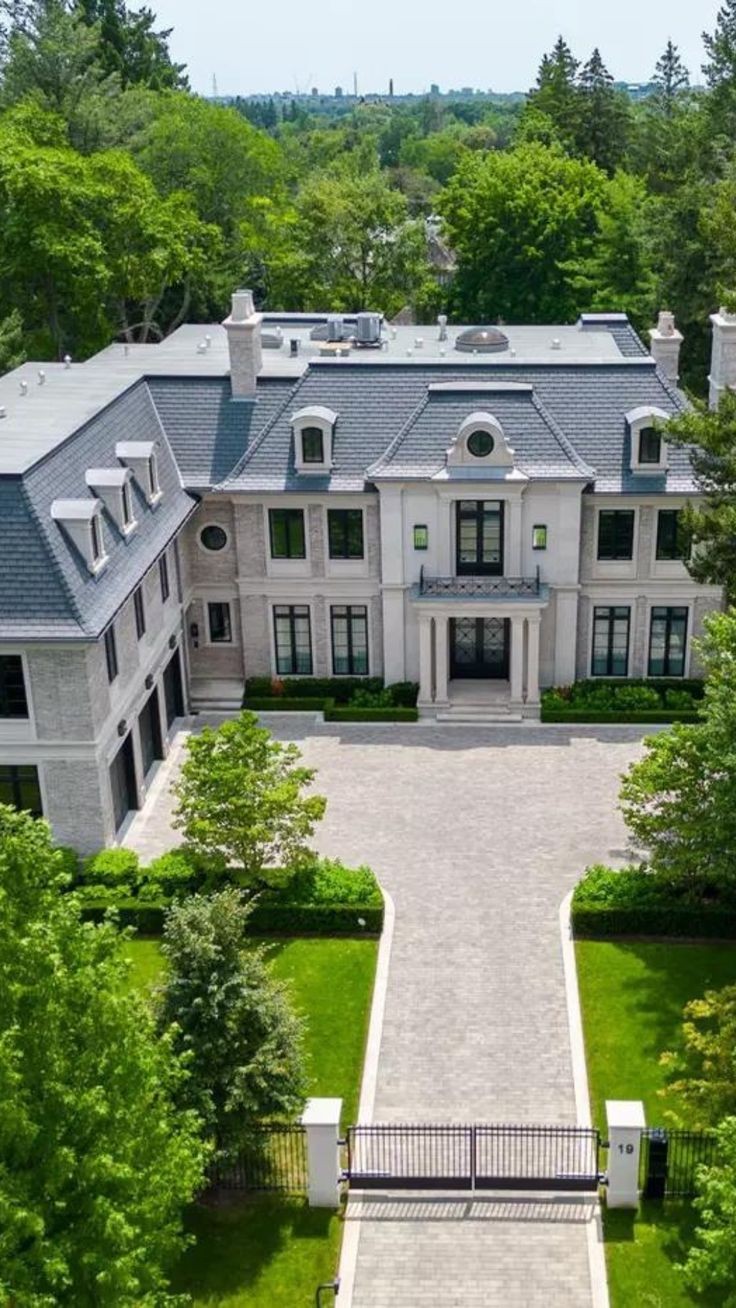
Search the ownership records of a luxury apartment block in Manhattan, a villa in Marbella or a prime London townhouse and you will frequently find not a name but an entity. A Delaware LLC, a Cayman Islands company, a revocable living trust managed by an attorney, a holding company whose ultimate beneficial owner is buried three layers deep in a corporate structure assembled across multiple jurisdictions. The person who collects the rent, controls the asset and benefits from the appreciation is nowhere on the public record. They are the invisible landlord, and the strategy they are using is not a loophole or an accident. It is a deliberately constructed legal architecture that the wealthiest property investors have been building for decades. At TheHouse48, understanding how this works, and what parts of it are available to investors at different levels of wealth, is a conversation that belongs well outside the ultra-high-net-worth bracket.
The Three Structures That Create Invisibility
The anonymous ownership of real estate in most jurisdictions rests on three primary legal instruments used individually or in combination. The first is the Limited Liability Company, which places the legal entity's name on public documents rather than the owner's name. In states like Wyoming and Nevada, LLCs can be formed without the members' names appearing in any public filing, with only the registered agent's information required. A sophisticated client will structure things so that the manager of the LLC is not someone directly associated with them, such as their personal attorney, ensuring that even if someone investigates ownership records, they still cannot easily connect the property back to the principal owner. The second instrument is the land trust, which places title in the name of a trustee who holds the property on behalf of a beneficiary whose identity remains off the public record entirely. Land trusts are particularly effective in jurisdictions where they are legally recognised because they separate the recorded ownership from the beneficial interest in a way that public searches cannot easily penetrate. The third instrument is the layered holding structure, where a property-specific LLC is owned by a holding LLC, which is in turn held by a family trust or an offshore company. Each additional layer increases the difficulty of tracing the asset back to its human owner, which is the entire point of the exercise.
Why the Wealthy Are Doing This at Scale
The motivations behind invisible landlord structures are rarely about evasion and almost always about protection, privacy and efficiency. Off-market residential sales surged at least 30% year-over-year in Brooklyn, Manhattan and Queens between 2024 and 2025, with Brooklyn alone logging roughly $5.4 billion in privately marketed sales, driven significantly by buyers who want neither their identity nor the transaction price to be publicly discoverable. The April 2026 attack on OpenAI CEO Sam Altman's San Francisco home, where the suspect had specifically researched the property address, illustrated precisely why high-profile individuals treat property ownership records as a security exposure rather than a formality. Beyond physical security, the liability protection dimension is equally compelling. A real estate investor with multiple rental properties who holds each one inside a separate LLC, owned by a holding LLC, creates a structure where a legal action arising from one property cannot reach the assets in any other. Tenants pursuing claims against a landlord can only access the entity that owns the specific property, not the broader portfolio behind it.
What the Regulators Are Doing About It
Governments in the UK, US and EU have been steadily tightening the frameworks that enabled anonymous property ownership, driven by concerns about money laundering and tax evasion rather than the legitimate privacy uses the structures also serve. The UK introduced a Register of Overseas Entities requiring foreign companies owning British property to disclose their beneficial owners. The US Financial Crimes Enforcement Network has expanded its Geographic Targeting Orders requiring beneficial ownership disclosure on certain all-cash property purchases in high-value markets. The EU's Anti-Money Laundering Directive has progressively tightened beneficial ownership reporting requirements across member states. These regulatory changes have not eliminated anonymous ownership, but they have moved its centre of gravity from simple anonymity into what compliance professionals call structured privacy, where the beneficial owner is disclosed to the relevant authorities while remaining off public registers accessible to anyone with an internet connection.
What This Means for Investors Who Are Not Billionaires
The most useful lesson from the invisible landlord playbook is not about secrecy at the ultra-high-net-worth level. It is about asset protection through entity structuring, which is accessible at almost any portfolio size. A real estate investor with a handful of rentals who forms individual LLCs for each property, held by a holding entity under a family trust, achieves liability separation between assets, privacy from tenants and protection from creditors at a cost that typically runs to a few thousand dollars in legal and filing fees per structure. The principle that one asset's liabilities should not endanger another is not a billionaire concept. It is a sound investment principle that becomes more valuable with each additional property in a portfolio.
TheHouse48 believes that understanding how the wealthiest property investors structure their ownership is not just interesting. It is practical. The tools are not exclusively available to the ultra-wealthy, the motivations behind them are legitimate, and the protection they provide scales from a single rental property to a global portfolio.
Sign up for our emails and be the first to know about special offers.
Sign In
Comments