
How to Buy a House as a Foreigner in Portugal, Spain, or Mexico
By The House 48 Editorial TeamPublished on Updated 3 min read
On this page
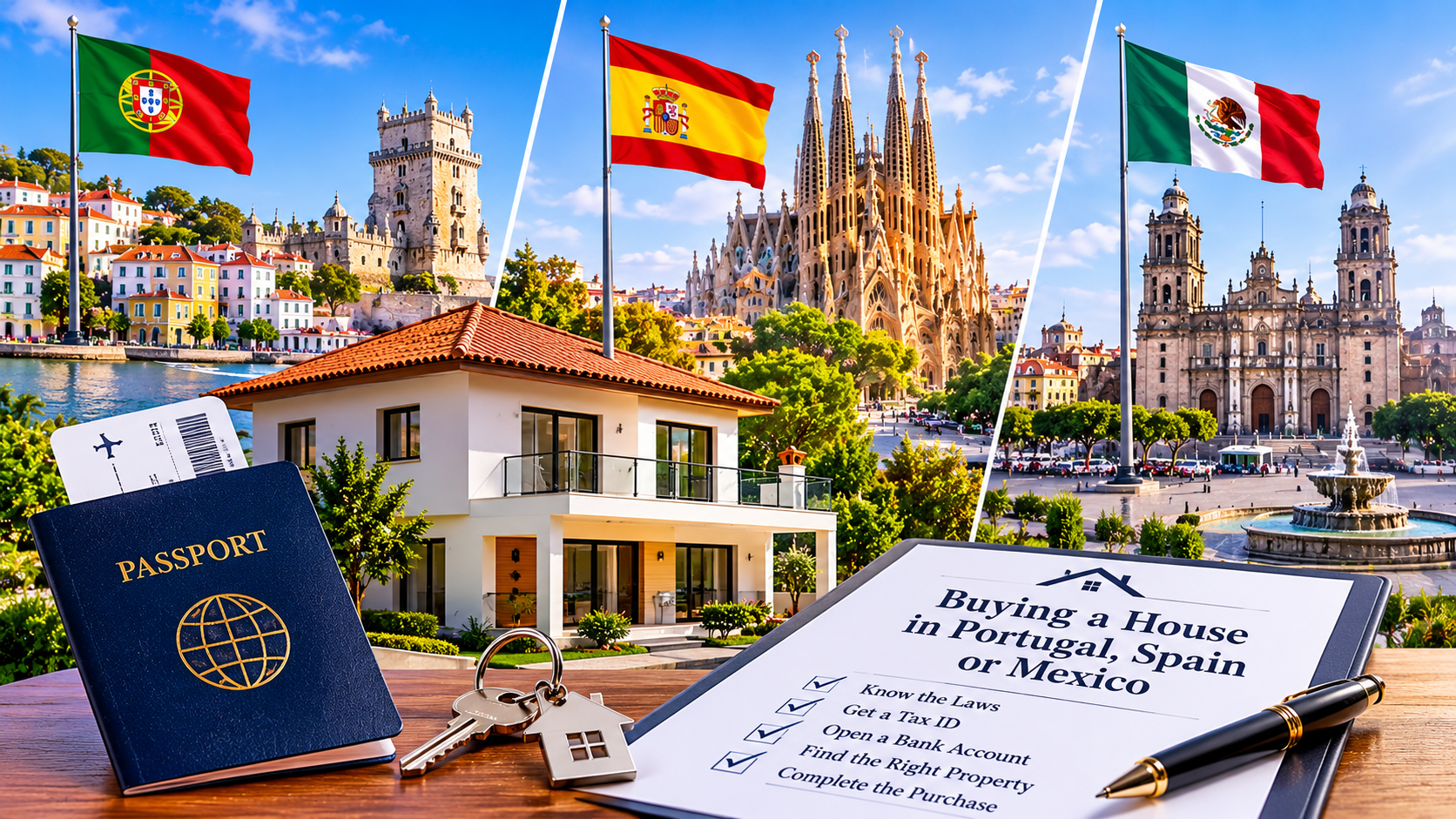
Buying a home abroad can be an exciting investment, whether you want a holiday property, a place to retire or a house that generates rental income. Portugal, Spain and Mexico are popular choices, but the buying process is not identical in all three countries. Each has its own identification requirements, property taxes, legal checks and rules for foreign ownership.
The good news is that foreigners can generally buy residential property in all three countries. However, knowing where special restrictions apply can save you from expensive mistakes. TheHouse48 explores international property markets and the practical decisions buyers should understand before investing overseas.
Buying a House in Portugal
Portugal generally allows foreigners to purchase residential property without nationality-based ownership restrictions. Whether you are buying an apartment in Lisbon, a coastal home in the Algarve or a property in Porto, you can usually own it in your own name.
Your first step is obtaining a Portuguese tax identification number, known as a NIF. You will need it for the purchase, tax payments and other financial arrangements. Buyers living outside the EU and European Economic Area may also need a fiscal representative unless they register for the tax authority's electronic notification system.
Once you find a property, appoint an independent lawyer to check its ownership records, planning permissions, outstanding debts and relevant licences. The transaction commonly involves a promissory contract, known as a CPCV, followed by the final deed and registration.
Budget for purchase taxes, including IMT and stamp duty, as well as legal and registration expenses. Non-resident tax treatment changed in 2026, so confirm the applicable rate before calculating your budget.
Buying a House in Spain
Foreigners can also buy residential property in Spain, and the process begins with obtaining a Número de Identidad de Extranjero (NIE). This identification number is essential for property transactions and other financial activities.
Before paying a deposit, hire an independent Spanish property lawyer to examine the property's legal status. One important document is the nota simple, a land registry report showing the registered owner, mortgages, liens and other charges affecting the property.
You should also confirm that the building has the necessary planning permissions and occupancy documentation. When the purchase is ready, the sale is completed through a public deed before a Spanish notary and should be registered in the Property Registry.
Purchase taxes vary by region and property type. Resale homes generally attract a regional property transfer tax, while new-build properties typically involve VAT and stamp duty. Non-EU buyers should also ask their lawyer whether a special military authorisation applies to the property's location, particularly in certain islands and border areas.
Buying a House in Mexico
Mexico welcomes foreign property buyers, but it has an important restriction that does not exist in the same way in Portugal or Spain.
Foreigners can generally own property directly outside the restricted zone. However, the Mexican Constitution prohibits direct foreign ownership of land within 50 kilometres of the coastline and 100 kilometres of international borders.
This matters if you want a beachfront home in places such as Cancún, Playa del Carmen or Puerto Vallarta. Foreign buyers can acquire residential property in these areas through a bank trust called a fideicomiso. The bank holds legal title as trustee, while the foreign buyer receives the rights to use, occupy, rent, sell and pass on the property under the trust agreement. The trust is generally established for 50 years and can be renewed.
Outside the restricted zone, foreigners can obtain the required government permission and purchase directly. In either situation, use an independent Mexican lawyer and notary to verify the title, permits, taxes and transaction documents.
Does Buying Property Give You Residency?
Owning a house does not automatically make you a legal resident of any of these countries. Portugal and Spain have ended their property-based Golden Visa routes, while Mexico has separate immigration requirements.
If you intend to live in the property permanently, investigate the relevant residence visa before purchasing.
Make the Purchase a Safe Investment
Buying overseas requires more than finding an attractive house at the right price. You need to understand ownership rules, taxes, legal documents and the costs of maintaining the property.
If you are still weighing the benefits and risks, the honest advantages and disadvantages of buying property overseas can help you consider the bigger financial picture.
TheHouse48 connects property seekers with international real estate opportunities. Wherever you decide to buy, independent legal advice and proper checks should come before transferring your money.



Comments