
Published on 9/21/2026
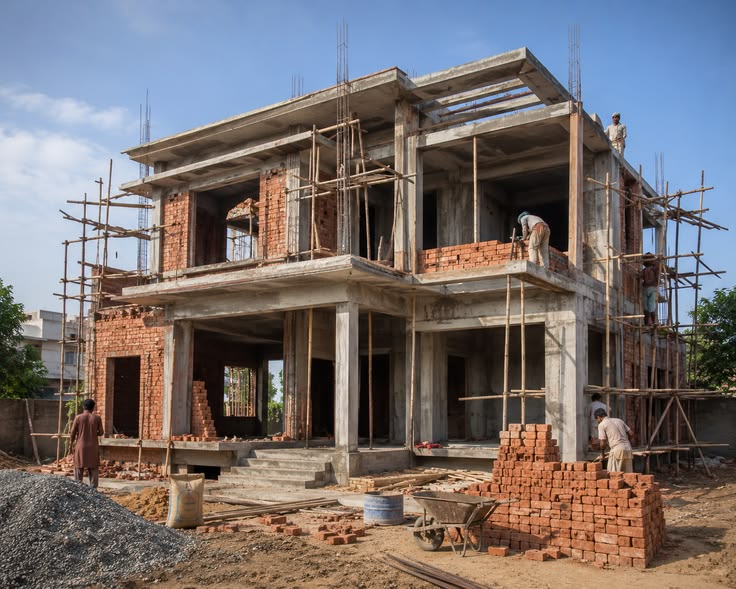
Nigeria has a problem that a specific group of investors has quietly turned into an opportunity. Uncompleted buildings sit across Lagos, Abuja and Port Harcourt in numbers large enough to be a national planning concern. The House of Representatives confirmed over 11,866 abandoned federal properties nationwide, and in Abuja alone, hundreds of stalled structures in areas like Gwarinpa, Wuse and Asokoro have been described by authorities as time bombs for urban insecurity and under-utilisation. The reasons they exist are consistent: funding collapsed mid-construction, owners died and left inheritance disputes unresolved, litigation froze a transaction at foundation level, or a developer simply ran out of road. What the investors who are targeting this category have understood is that the building itself is not the problem. The circumstance that stopped it is the problem, and circumstances can be resolved. At TheHouse48, this is one of the most genuinely contrarian plays operating in Nigerian real estate right now.
The Acquisition Discount That Makes the Numbers Work
The core of the uncompleted building investment thesis is pricing. A property that has been stalled at structural level, with columns, beams and slabs in place but no roof, no finishes and no functional services, is priced as a problem rather than an asset. The seller, frequently an estate, a distressed developer or a family exhausted by a legal dispute, is motivated by exit rather than maximisation. That motivation creates the discount that makes the subsequent investment viable. The acquisition price on an uncompleted structure in a legitimate location is typically 30 to 50% below what a comparable completed property in the same area would cost, and that gap is the return engine before renovation begins. The model is structurally similar to property flipping but with a specific Nigerian dimension: the uncompleted building category is significantly larger here than in most comparable markets because of Nigeria's construction financing environment, where developers who borrowed short to build long have been squeezed by rate increases and cost inflation since 2023, producing a steady pipeline of stalled assets in locations that were well chosen before the funding failed.
The Renovation Reality and What It Actually Costs
Strip away the acquisition discount and the core question becomes what it costs to bring an uncompleted structure to a rentable or saleable standard, and whether that cost leaves margin between the total investment and the completed market value. Construction costs in Nigeria rose sharply from 2023 onward, with cement moving from around ₦7,500 per bag in late 2025 to between ₦11,500 and ₦15,000 per bag in early 2026, and steel, tiles and finishing materials following the same trajectory. For an investor completing someone else's abandoned structure, those cost increases apply directly to every bag of cement and every metre of reinforcement they need to finish what was started. The practical safeguard is a detailed quantity surveyor's assessment of what the structure actually needs, produced before acquisition rather than after, because the uncompleted building that looks nearly done from the road can hide structural compromises, incorrect reinforcement, waterproofing failures and service stub-out problems that the visible progress does not reveal. The investors who have executed this strategy successfully consistently cite the pre-acquisition QS report as the single most important document in the transaction, more important than the asking price and more important than the title, because it sets the realistic total cost that determines whether the margin exists.
Where the Profit Actually Comes From
The return on a well-executed uncompleted building acquisition in Nigeria comes from three compounding sources. The first is the acquisition discount, the gap between the distressed purchase price and the rational market value of the structure and its location. The second is the value added by completion, because a finished building in a functional location commands the full market rate for that area regardless of the history that preceded it. The third is market appreciation over the execution timeline, since average rents in major Nigerian cities have jumped 30 to 50% in recent years and residential price growth in key corridors is projected at 5 to 15% in naira terms through 2026, with prime segments achieving 20 to 30%. An investor who acquires an uncompleted two-bedroom in Lekki at a significant discount, completes it over six to twelve months and then rents it at current market rates is earning the yield on the total investment rather than the completed purchase price, which produces a yield-on-cost figure that the formal market cannot match. The flip option, completing and selling rather than holding for rental income, requires the tighter execution discipline that the property flipping model demands, with market analysts noting that short-term flips in Nigeria carry real transaction cost pressure and that a holding period of at least three to five years most reliably protects the margin.
The Due Diligence That Separates This From a Trap
The uncompleted building opportunity is not without specific risks that go beyond the renovation cost question. Title verification is the foundation of every acquisition in this category, because the circumstances that produced the abandonment frequently include title disputes, inheritance complications or development financing charges registered against the land. A property stalled because of a court order cannot be purchased cleanly without resolving that order first. A property where the original developer borrowed against the land and defaulted carries the lender's charge as a registered encumbrance that the new buyer assumes if it is not cleared at acquisition. An independent lawyer who conducts a full title search at the state land bureau, checks for any registered charges or litigation at the relevant court registry and confirms that the seller has unencumbered authority to transact is the protection that distinguishes a profitable acquisition from an expensive legal problem wearing the face of an opportunity.
TheHouse48 believes that the uncompleted building strategy rewards investors who are willing to do more work upfront than the standard property acquisition requires, in exchange for an entry price that the market does not offer on completed assets. Nigeria's supply problem and its construction financing environment have together created more raw material for this strategy than most investors have recognised, and the investors who move early with the right professional support are the ones the market will reward most clearly.
Sign up for our emails and be the first to know about special offers.
Sign In
Comments