
Published on 9/9/2026
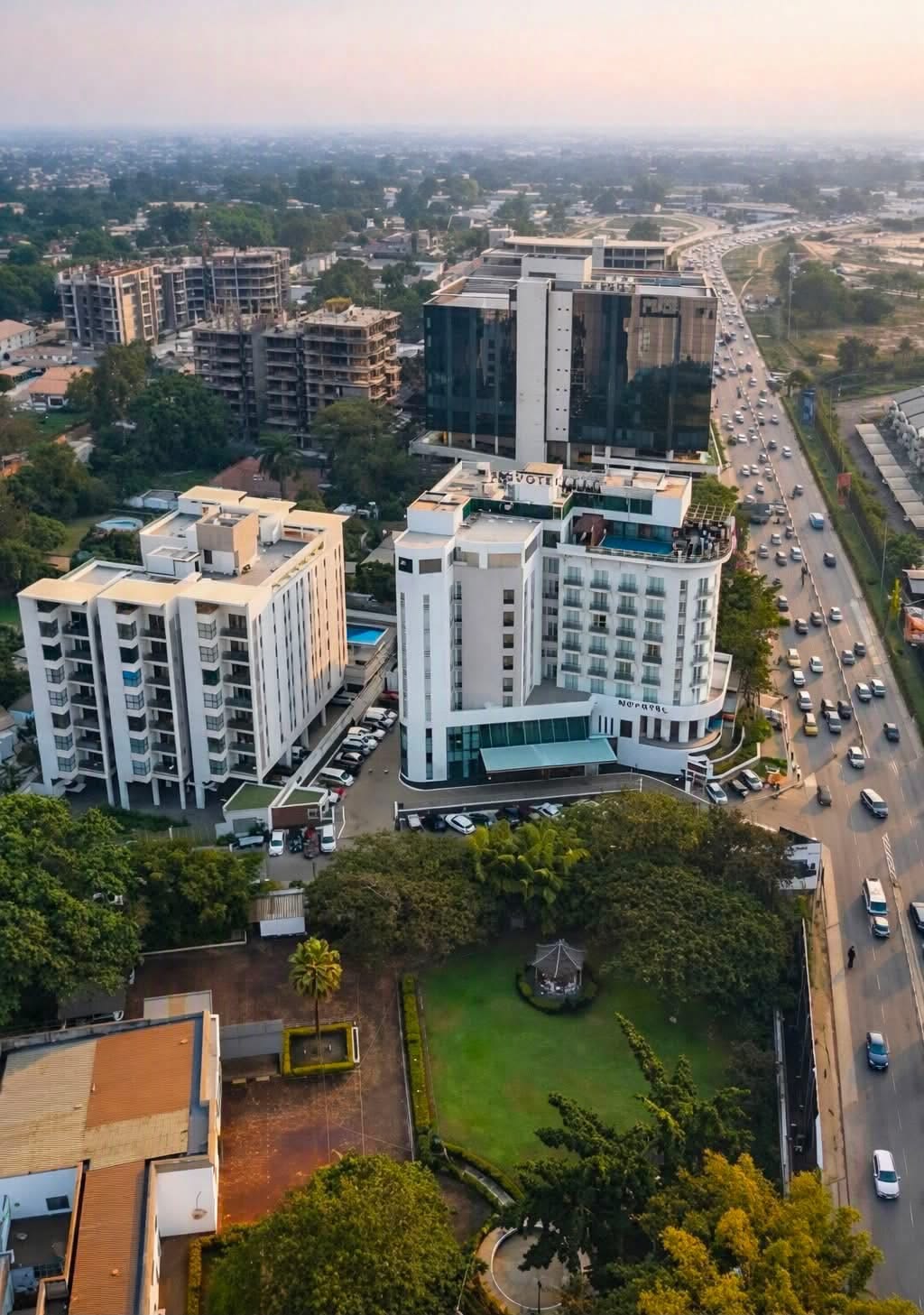
Every property conversation in Nigeria eventually gravitates toward Lagos and Abuja. The prices, the yields, the infrastructure stories, the developer pipelines. What gets far less attention is the land that exists outside those two corridors, priced at levels that the Lagos conversation makes almost incomprehensible, and in some cases sitting in states with legitimate growth stories that have simply not yet attracted the volume of investor capital that would push prices to where the market will eventually take them. At TheHouse48, the cheap land conversation is not about running away from the premium markets. It is about understanding where early positioning still exists in a country with 36 states and a land market that prices them very differently.
Kebbi State: The Floor of the Nigerian Land Market
Kebbi State represents the most affordable land market in Nigeria as of 2026, with prices for one acre starting as low as ₦150,000 in agricultural zones, making it the reference point for what Nigeria's land floor actually looks like. The investment case here is a long one. Kebbi is an agricultural state anchored by rice cultivation, and the federal government's agricultural development programme has directed consistent capital into the state's farming infrastructure. For a buyer with a ten to fifteen year horizon and an agricultural development mandate, Kebbi offers land at entry prices that no other Nigerian state can match. The speculative residential case is thinner, given the distance from any major urban employment centre, but for institutional buyers, agribusiness investors and diaspora Nigerians with ancestral ties to the northwest, the price point is the starting conversation rather than the ending one.
Niger State: Size, Proximity and a Price That Has Not Yet Caught Up
Niger State is the largest state in Nigeria by landmass and one of the most consistently underpriced per acre across its residential and semi-commercial zones. Land in accessible parts of Niger State, particularly in corridors with road links toward Abuja, trades at prices that reflect the state's distance from the FCT without fully accounting for the shrinking nature of that distance as infrastructure improves. The Abuja-Kaduna Expressway and the Minna-Abuja road have been progressively reducing commute times, and the Suleja corridor on the Niger State boundary with the FCT has been absorbing Abuja demand overflow for several years. Land prices in Suleja and its immediate environs have risen measurably from their 2020 base, but they remain substantially below comparable FCT satellite town pricing, making Niger State's border areas one of the clearest examples of an underpriced adjacency story in the Nigerian market.
Ogun State: Affordable, Industrial and Underestimated

Ogun State occupies a different category from Kebbi and Niger because it is not cheap in the same absolute sense. It is cheap relative to what it offers. Identified as Nigeria's industrial capital by business location analytics, Ogun hosts the Lekki Free Trade Zone spillover effects, major manufacturing facilities, the Lagos-Ibadan Expressway corridor and commuter towns serving the Lagos employment base. Land prices in accessible Ogun locations, particularly along the Lagos-Ibadan Expressway, Sagamu-Ikorodu Road and in established towns like Mowe, Ibafo and Sango-Ota, range from ₦3 million to ₦15 million per plot depending on infrastructure access, documentation status and proximity to the expressway. That range sits far below comparable Lagos mainland prices while serving the same tenant and buyer demographic. Ogun is the state that offers the best balance of affordability and proximity in the entire Nigerian land market as of 2026.
Ibadan and Oyo State: The Gold Rush Nobody Has Fully Priced In
Ibadan is experiencing what market observers are describing as a gold rush phase, with a unique blend of high return on investment potential and affordability that the saturated Lagos market no longer offers. Cheap land in the Iddo-Eruwa axis in Ibadan starts at prices that make the entry point accessible for buyers excluded from Lagos pricing, while the Circular Road expansion and the Moniya Rail Terminal infrastructure programme are compressing the commute and commercial distance between Ibadan and Lagos in measurable ways. As the second largest city in Nigeria and one of West Africa's largest urban centres, Ibadan has a residential demand base that is entirely self-sustaining rather than Lagos-dependent, and the land market has not yet priced in the full trajectory that the infrastructure and population data suggests.
TheHouse48 believes that the Nigerian states where land is still cheap are not consolation prizes for buyers who missed Lagos. They are legitimate investment positions for buyers with the right time horizon and the willingness to conduct proper due diligence in markets that the mainstream conversation has not yet fully discovered.
Sign up for our emails and be the first to know about special offers.
Sign In
Comments