
Published on 8/26/2026
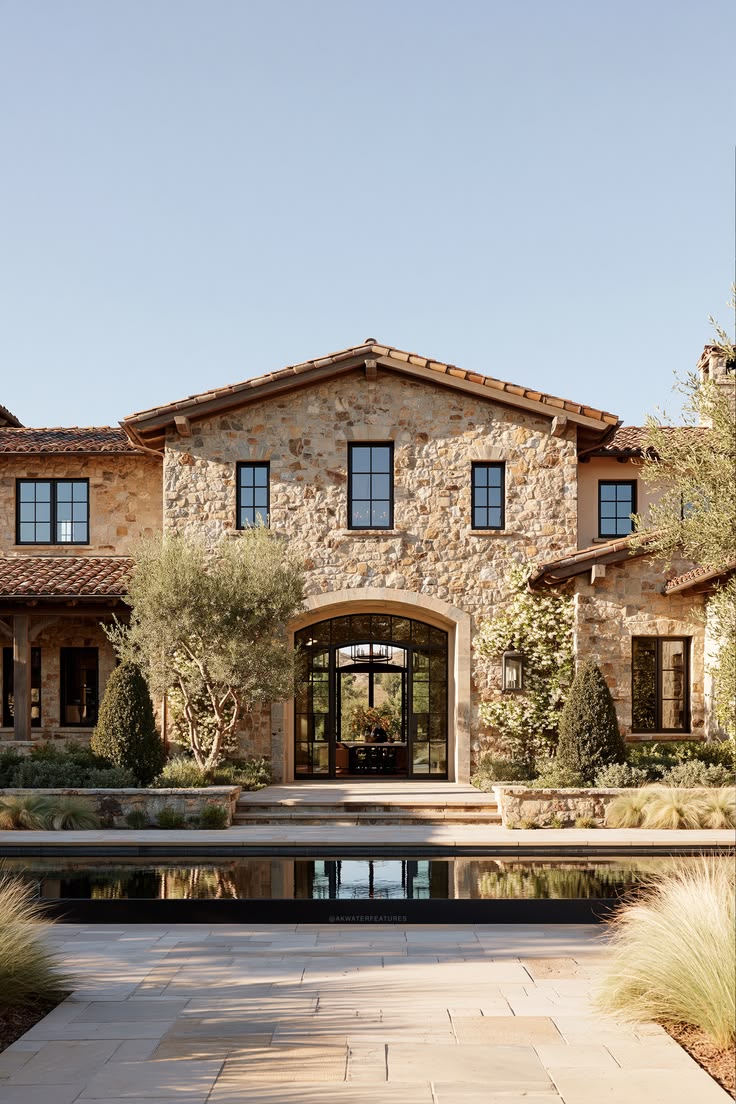
The story always begins the same way. A couple, usually somewhere between exhausted and adventurous, stumbles across a listing for a crumbling farmhouse or a cluster of stone buildings in a depopulated Italian village. The price seems impossible. The photographs look like a film set. A decision gets made that most of their friends consider impulsive. Then the renovation begins, and what happens over the following five years is either the most interesting financial story they ever tell or the most expensive lesson they ever paid. At TheHouse48, the five-year window on Italian rural property investment is the one that separates the dream from the data.
The Texas Couple Who Bought Without Seeing It
John Alan Ambrose and his wife Vicky spent three years turning a large section of a 1930s palazzo in the foothills of the Italian Alps into their dream vacation home, having purchased their portion of the property for $160,000 without ever physically visiting it first. The decision that most people would describe as reckless produced a property they are now planning to make their permanent residence. Jordan Kamellari and Emanuele Neri took the commitment further, purchasing an abandoned 16th-century Italian palace in 2024 for just over $750,000, half the original asking price, and committed over $750,000 to its renovation. These are not the one-euro home stories. They are the cases where buyers with serious capital entered Italy's distressed rural property market at a meaningful price point and began the long work of bringing a historic structure back to functional life. The five-year arc of that work is where the investment reality lives.
What the Renovation Actually Cost and How Long It Took

The most consistent gap between expectation and reality in Italian rural property is the renovation budget. A 2025 report from Italy's National Federation of Building Ownership confirmed that the country has approximately 8.5 million unused homes, roughly one in four houses sitting empty, many in the kind of structural disrepair that produces charming photographs and expensive engineering bills simultaneously. Buyers who entered the Italian rural market between 2018 and 2021 and are now five years into their projects have reported that renovation costs consistently consumed savings they expected to last years. The structural issues that are not visible in initial viewings, collapsed internal walls, compromised foundations, water ingress that has penetrated deep into masonry, and the specific requirements of working with historic materials under Italian heritage regulations, routinely extended renovation timelines and exceeded initial budgets by 40 to 100%. At the same time, Tuscan councils have been actively sweetening the terms for buyers who persisted. One scheme announced in 2026 covered half of the first two years of rent for new tenants alongside €20,000 toward purchasing a vacant property and €6,000 toward energy costs and services, partially compensating for the capital that renovation demands.
The Five-Year Financial Picture for Those Who Completed
For buyers who completed their renovations, the five-year financial story is more nuanced and more positive than the renovation warnings alone suggest. Italy's overall residential property market recorded average annual growth of 5.8% in 2025, with rural and coastal properties in desirable regions outperforming that average. Well-executed renovations in areas like Mussomeli in Sicily have been documented delivering returns of 14.4% annual rental yield based on a total investment of approximately €50,000 in renovation on a one-euro acquisition. Couples who completed their projects and positioned them as short-term holiday rentals through platforms like Airbnb and Booking.com found that the authentic, historic character of restored stone village properties commanded premium nightly rates that new-build rural accommodation cannot match. The irreplaceable provenance of a 300-year-old farmhouse with original materials, panoramic hill views and proximity to a working Italian village is precisely what the wellness and experiential travel market is willing to pay meaningfully for.
What the Broader Trend Tells Buyers Considering It Now
As of 2026, more than 70 municipalities across Italy have launched some version of a discounted property programme, from Sicily to Sardinia, Calabria to Abruzzo, with some newer entries including inland Sardinian towns combining the low acquisition price with renovation subsidies, energy efficiency grants and permanent residency bonuses. The programme has evolved from a policy tool into a global marketing phenomenon, which cuts both ways. The international attention has increased competition for the best properties, made some municipalities more commercially aware in how they structure their terms and raised expectations on both sides of the transaction. The buyers succeeding in this market in 2026 are those who approach it as a restoration project requiring time, on-the-ground professional relationships and realistic capital planning rather than a quick acquisition of an underpriced asset.
TheHouse48 believes that the couple who bought the crumbling Italian village for €100,000 and returned five years later with a functioning property, a rental income stream and a home they could not have built from scratch at any comparable price is not a fairy tale. It is a documented outcome for buyers who went in prepared, budgeted honestly and treated the renovation timeline as part of the investment rather than an obstacle to it.
Sign up for our emails and be the first to know about special offers.
Sign In
Comments