
Published on 7/29/2026
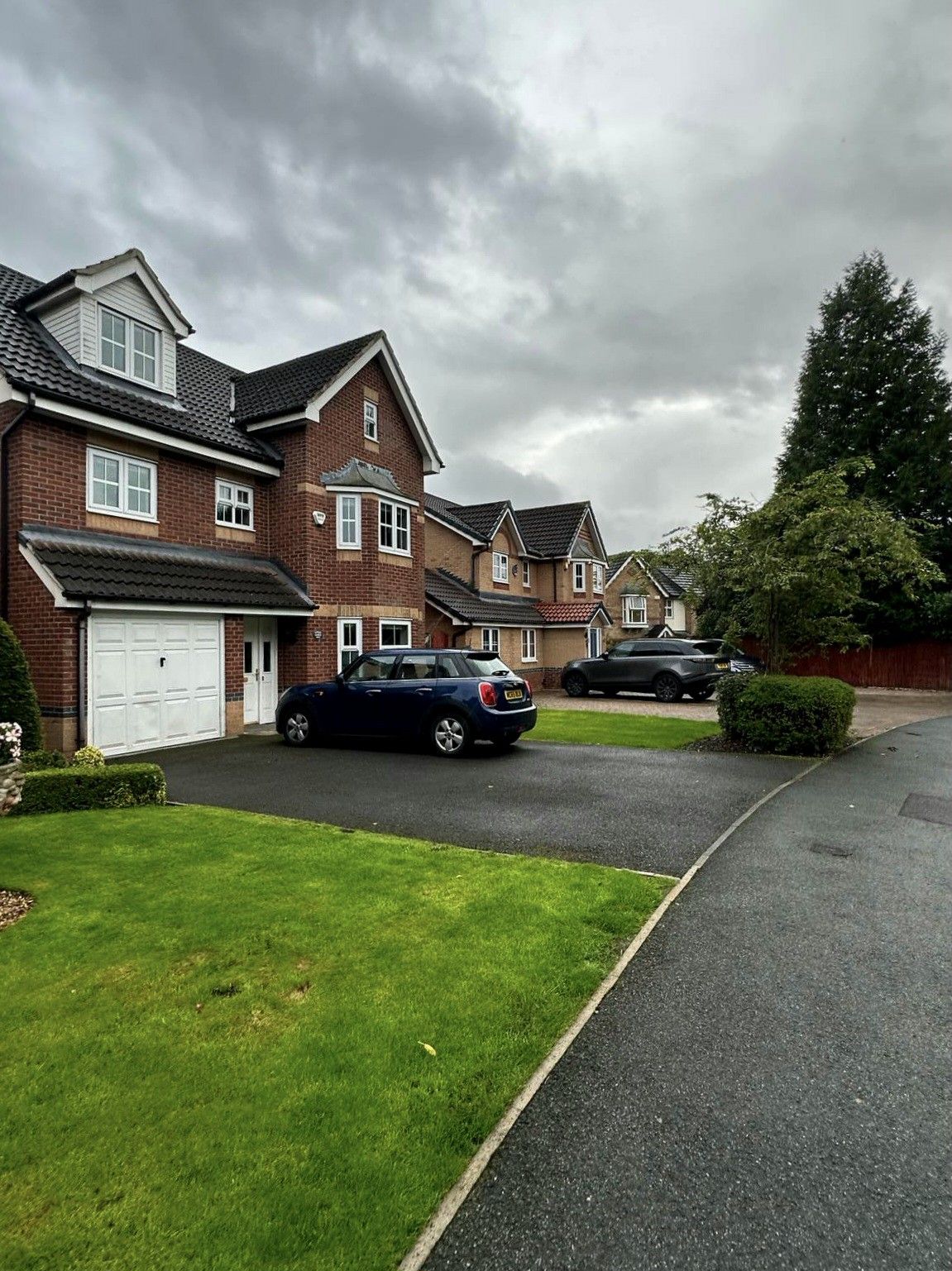
The concept sounds too clean to be real. Buy a property, rent out part of it or a companion unit, let the rental income cover the mortgage and effectively live for free while your asset appreciates. In practice, the countries where this arithmetic actually works are specific, the conditions that make it possible are well-defined and the buyers who execute it correctly are not doing anything clever. They are simply choosing the right market, the right property structure and the right yield environment. At TheHouse48, this is one of the most practically powerful strategies in international real estate, and it is more accessible than most Nigerian buyers realise.
Georgia: Where the Numbers Work Most Cleanly
Georgia's countrywide rental yield sits at 7.42% as of H1 2026, with Tbilisi averaging 7.53% and the coastal city of Batumi at 7.31%. For a buyer who purchases a two-unit property in central Tbilisi, occupies one unit and rents the other, the mathematics of the strategy work with unusual clarity. Entry prices for well-located Tbilisi apartments remain among the lowest in Europe for the quality of construction, with a premium two-bedroom unit available well under $150,000 as of early 2026. At a 7.5% gross yield on a $130,000 purchase, the annual rental income from a single rented unit approaches $9,750. Mortgage financing in Georgia is available to foreign nationals through Georgian banks, with rates typically running between 7 and 10% in Georgian lari terms, though many buyers at this price point purchase in cash and treat the rental income as a direct living cost offset rather than a mortgage payment. Georgia operates a flat 20% income tax, no wealth tax, and a property ownership framework with no restrictions on foreign nationals, making it structurally one of the cleanest entry points for this strategy globally.
Panama: The Territorial Tax Dimension

Panama occupies a unique position in this conversation because it combines credible rental yields with a tax structure that actively protects rental income from overseas authorities. Panama operates a territorial tax system, meaning residents pay no tax on foreign-sourced income regardless of time spent in the country. For an investor living in Panama while renting out units there, rental income earned domestically is taxable under Panamanian rates, but any other foreign income streams are completely shielded. Panama City's rental market is driven by a combination of multinational corporate demand, canal workers, expats and business travellers, creating a tenant base that is diversified enough to sustain occupancy even when any single demand driver softens. The Friendly Nations Visa, one of Panama's most accessible residency routes, can be obtained through property investment, layering a legal residency pathway on top of the rental income strategy.
Saudi Arabia: The High-Yield Gulf Market Opening to Foreign Buyers
Saudi Arabia's countrywide rental yield sits at 6.84% as of early 2026, with Jeddah running at 7.91%, placing it among the highest-yielding markets in the Gulf region. With headline inflation at 1.7% as of February 2026, the real yield of approximately 5.14% is among the strongest available in a Gulf Cooperation Council market. The riyal's USD peg means the local-currency real yield closely tracks the USD real yield, eliminating the currency erosion risk that has complicated return calculations in markets like Turkey. Saudi Arabia's Premium Residency Investor Visa requires a residential real estate purchase valued at SAR 4 million, approximately $1.1 million, without mortgage financing, placing it in a premium tier that suits buyers with substantial capital rather than those entering at the lower end of the strategy.
The Structure That Makes It Work
The investor who wants to live free while tenants cover their mortgage needs to select a property type that supports multi-unit occupancy or a configuration where a separate rentable unit exists alongside the owner-occupied space. A duplex, a property with a self-contained guest apartment, a building with ground-floor commercial space or a two-bedroom apartment where one room can be rented independently all serve this function depending on local regulations. The critical calculation is not the gross yield but the net yield after management fees, maintenance, vacancy allowance and applicable taxes, measured against the actual mortgage or carrying cost of the property. In Georgia and Panama at current price and yield levels, that calculation closes in the investor's favour in most scenarios. In markets with higher entry prices and lower yields, the gap between rental income and carrying cost requires the owner to contribute the difference rather than receiving a surplus.
TheHouse48 believes that the strategy of living in your investment while tenants fund it is not a loophole or a fantasy. It is a yield and price alignment problem, and in 2026 there are specific markets where that alignment exists clearly enough to build a real financial decision around. Knowing which ones they are is the starting point.
Sign up for our emails and be the first to know about special offers.
Sign In
Comments