
Published on 7/10/2026
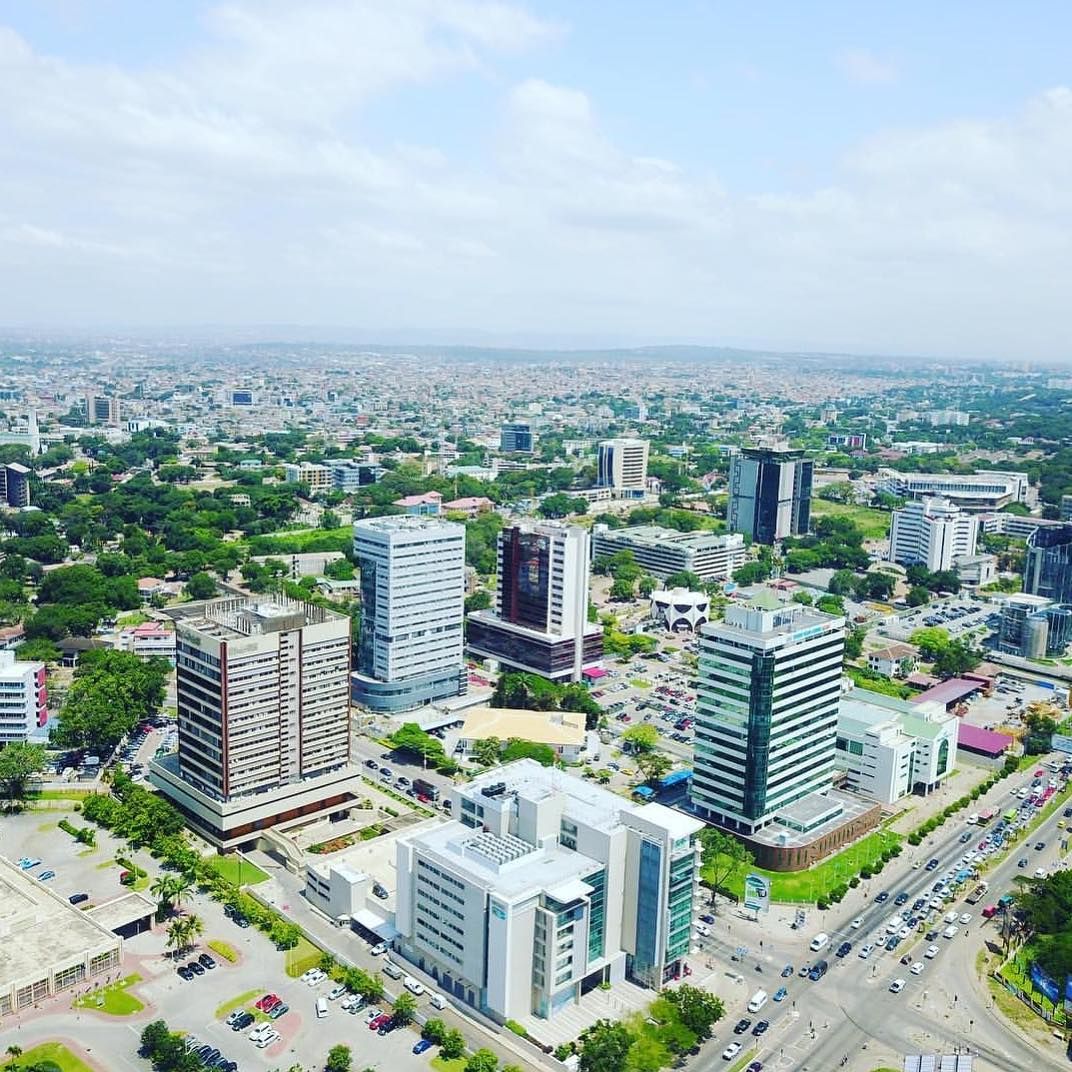
The question lands differently depending on who is asking it. A diaspora buyer converting pounds or dollars into a local currency investment has a fundamentally different calculation from one buying a family home they plan to eventually return to. The right answer for someone prioritising capital preservation in a stable currency is not the same as the right answer for someone chasing the highest possible yield on a five-year investment horizon. This is the comparison that deserves a clear, unsentimental look at the numbers, the legal environments and the real risks in each market. At TheHouse48, our position is straightforward: all three markets have genuine merit, and the right one depends entirely on what you are actually trying to achieve.
Nigeria: The Highest Stakes, the Highest Potential
Nigeria is Africa's largest economy and the most significant real estate market on the continent by scale. Lagos and Abuja together drive a market projected to reach $40 billion by 2030 at a compound annual growth rate of 4.5%, underpinned by a housing deficit estimated between 17 and 20 million units that structural demand will not close quickly. Rental yields in well-managed Lagos short-let properties average 15 to 25% annually, and long-term yields in Abuja's prime corridors run 5 to 8% with a corporate tenant base that produces reliable income. The Federal Mortgage Bank of Nigeria's Diaspora National Housing Fund Scheme, developed with NiDCOM, now provides diaspora investors with a more structured, transparent pathway for remote property ownership than existed three years ago, and the United Bank for Africa introduced a diaspora-focused banking and investment platform in 2026 to connect overseas investors with verified opportunities. The challenge is equally clear. The naira depreciated dramatically against the dollar between 2022 and 2025. A Nigerian property bought in Lagos in 2022 for USD 80,000 at ₦460 per dollar may have appreciated 90% in naira terms and yet still represent only USD 43,750 at ₦1,600 per dollar. The gains are real in local currency. The dollar return requires a long horizon and significant naira recovery to materialise.
Ghana: The Stability Premium

Ghana occupies a different position in this comparison. It is not the highest-yield market available, but it is the most consistently reliable for diaspora buyers who cannot be physically present to manage due diligence in real time. Ghana's Land Act 2020 consolidated land law, established GELIS, the Ghana Electronic Land Information System for digital cadastral records, and mandated the Real Estate Agency Council under Act 1047 to license agents nationally, creating statutory accountability across the market. The cedi's relative stability over 2025 and 2026 means that a diaspora buyer's investment does not face the same dollar erosion risk that naira-denominated Nigerian investments have experienced. Ghana has held seven consecutive peaceful elections since 1992, transferring power between parties four times. Accra's real estate market is projected to reach GHS 533 billion by 2026, growing at 3.44% annually through 2029. The yields are lower than Nigeria at 6 to 8% for residential properties, but the regulatory environment, political stability and title system clarity make it significantly more straightforward for remote investors who prioritise capital preservation and do not want to actively manage risk daily.
Rwanda: The Emerging Market for the Patient Investor
Kigali is the smallest of these three markets by scale and the most compelling by trajectory. Rwanda's GDP grew at 6.7% in 2023, with the construction sector accounting for 8% of GDP, and the Kigali real estate market is producing residential yields of 9.3%, office yields of 10.8% and retail yields of 12.3% according to Cytonn data. Rwanda and Ghana consistently attract more diaspora investment per capita than Nigeria due to stronger policy systems and clearer legal frameworks. The Green City Kigali project, fractional ownership models gaining traction among diaspora investors and a government that has made attracting foreign capital a deliberate national strategy all contribute to a market environment that rewards early positioning. The constraints are real. The market is smaller, liquidity is thinner and the exit options for a diaspora investor who needs to sell quickly are more limited than in Lagos or Accra. Entry prices in Kigali's premium districts remain meaningfully below comparable Nigerian specifications, making early positioning accessible, but the return timeline requires patience.
The Honest Verdict
For diaspora buyers prioritising dollar capital preservation and regulatory simplicity, Ghana wins in 2026. For buyers with a strong naira thesis, genuine local networks and a five-plus year horizon, Nigeria offers yields that no other African market can match at scale. For patient investors seeking an emerging market with strong institutional tailwinds, low competition from other diaspora buyers and a government genuinely committed to real estate investment, Rwanda is the market most likely to look obvious in retrospect.
TheHouse48 believes the diaspora African buyer who is asking this question honestly deserves a market that matches their actual risk tolerance, timeline and capacity for remote management rather than one that simply matches their sentiment. All three are worth understanding. Only one is right for you specifically, and that distinction matters more than the general enthusiasm surrounding any of them.
Sign up for our emails and be the first to know about special offers.
Sign In
Comments