
Published on 9/24/2026
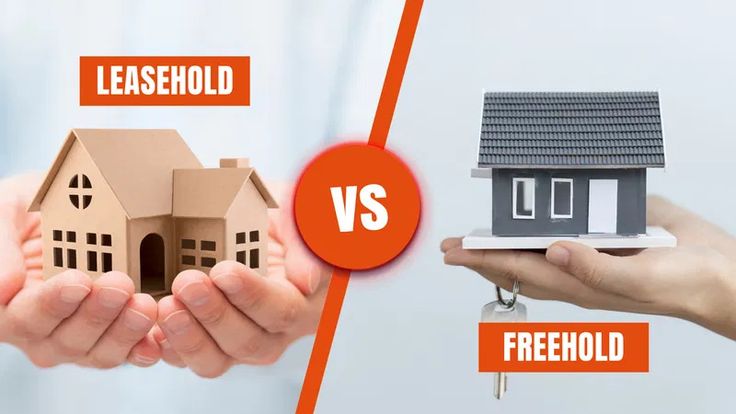
Every property transaction involves a decision that most buyers make without fully understanding it: whether they are buying the property outright and permanently, or buying the right to occupy it for a defined period. Freehold and leasehold are not simply administrative labels. They define the nature of the ownership, the ongoing costs attached to it, the rights available to the owner and the long-term value trajectory of the asset. Getting this distinction wrong is not a paperwork error. It is a decision that shapes every subsequent year of ownership. At TheHouse48, this is one of the most consistently misunderstood aspects of property purchase across every market where both structures coexist.
What Freehold Actually Means
Freehold means you own the building and the land it stands on permanently, with no time limit and no lease ticking down in the background. There is no freeholder to pay ground rent to, no lease to monitor or extend and no permission required from a third party to make structural changes to your own property. You are fully responsible for maintenance, building insurance and any external upkeep, but those obligations belong entirely to you rather than to a freeholder whose standards of management may not align with your own interests. Most houses across the UK, Australia and comparable common law markets are sold freehold, meaning the buyer acquires complete and permanent ownership of both the structure and the ground beneath it. Freehold is the simpler ownership structure, the one that most closely matches what buyers typically imagine when they think of owning property, and in most markets it commands a price premium over equivalent leasehold properties that reflects the additional security and freedom it provides.
What Leasehold Actually Means
Leasehold means you own the right to occupy the property for a fixed number of years specified in the lease, but you do not own the land the building stands on. The land, and often the structure of the building itself in the case of a flat, belongs to the freeholder. Common lease lengths historically have included 99, 125 and 999 years. The length of the remaining lease at the time of purchase is one of the most consequential details in any leasehold transaction because it determines how freely the property can be mortgaged, sold and valued. A lease with more than 90 years remaining is generally considered straightforward. When a lease drops below 80 years the property becomes harder to sell and may become unmortgageable with many lenders, because the shorter term directly reduces the asset's future value in a way that compounds with each passing year. When a lease expires entirely, ownership of the property returns to the freeholder unless the lease has been extended.
The Costs That Come With Leasehold Ownership
Leasehold ownership typically involves ongoing financial obligations that freehold does not. Ground rent, historically an annual charge paid to the freeholder for use of the land, has been the subject of significant reform in the UK where ground rent on new leases is now set at a peppercorn rate, effectively zero, following legislation that took effect in 2022. Existing leases may still carry ground rent charges that vary significantly and in some cases have been the subject of disputes where ground rent doubled at set intervals, creating obligations that buyers did not fully understand at the point of purchase. Service charges, which cover the maintenance of communal areas, building insurance and structural repairs in a shared building, are a separate and often more significant ongoing cost that leaseholders pay to whoever manages the building. The quality, transparency and value for money of service charge management varies enormously between buildings and managing agents, making it one of the most important practical investigations a leasehold buyer should conduct before committing.
The UK's 2025 and 2026 Leasehold Reforms
The UK leasehold landscape has been significantly reshaped by legislation that took effect in 2025, and buyers considering leasehold properties in England and Wales need to understand what has changed. As of January 31 2025, leaseholders no longer have to wait two years after purchase before extending their lease or applying to buy the freehold, removing one of the most frustrating restrictions that previously affected recently purchased leasehold properties. From March 2025, Right to Manage reforms extended the right to buildings with up to 50% non-residential space and removed the requirement for leaseholders to pay freeholders' legal costs when making a Right to Manage claim. The government is also progressing legislation to end leasehold as the default for new flat sales in favour of commonhold, a form of ownership where flat owners collectively own the building and the land it stands on rather than holding individual leases from a freeholder. That reform has not yet been enacted, but it represents the direction of travel for the UK market.
The International Dimension: How This Works Beyond the UK
The freehold and leasehold distinction applies differently across international markets. In Indonesia, including Bali, foreign nationals cannot hold freehold land title and instead purchase through a leasehold or nominee structure. In Thailand, foreign nationals can own condominium units on a freehold basis but land on a leasehold basis only. In Nigeria, as covered earlier in this series, all land is technically vested in the state under the Land Use Act, meaning what Nigerian property buyers hold is effectively a statutory right of occupancy that functions similarly to a long leasehold rather than a true freehold in the Western sense. In Dubai, the freehold zone designation is a critical factor because it determines whether a foreign buyer can hold outright ownership or only a leasehold interest. Understanding which structure applies in the specific country and specific development you are buying into is not optional knowledge. It defines the nature of what is being purchased.
TheHouse48 believes that the answer to which type you should buy is almost always freehold where it is available and affordable, because it provides the most complete and durable form of ownership available. Where leasehold is the only viable option, as it is for many flat and apartment purchases across the UK, Australia and international markets, the lease length, the service charge structure and the quality of building management require as much scrutiny as the property itself.
Sign up for our emails and be the first to know about special offers.
Sign In
Comments