
The Real Cost of Building a House in Nigeria Today
By The House 48 Editorial TeamPublished on Updated 3 min read
On this page
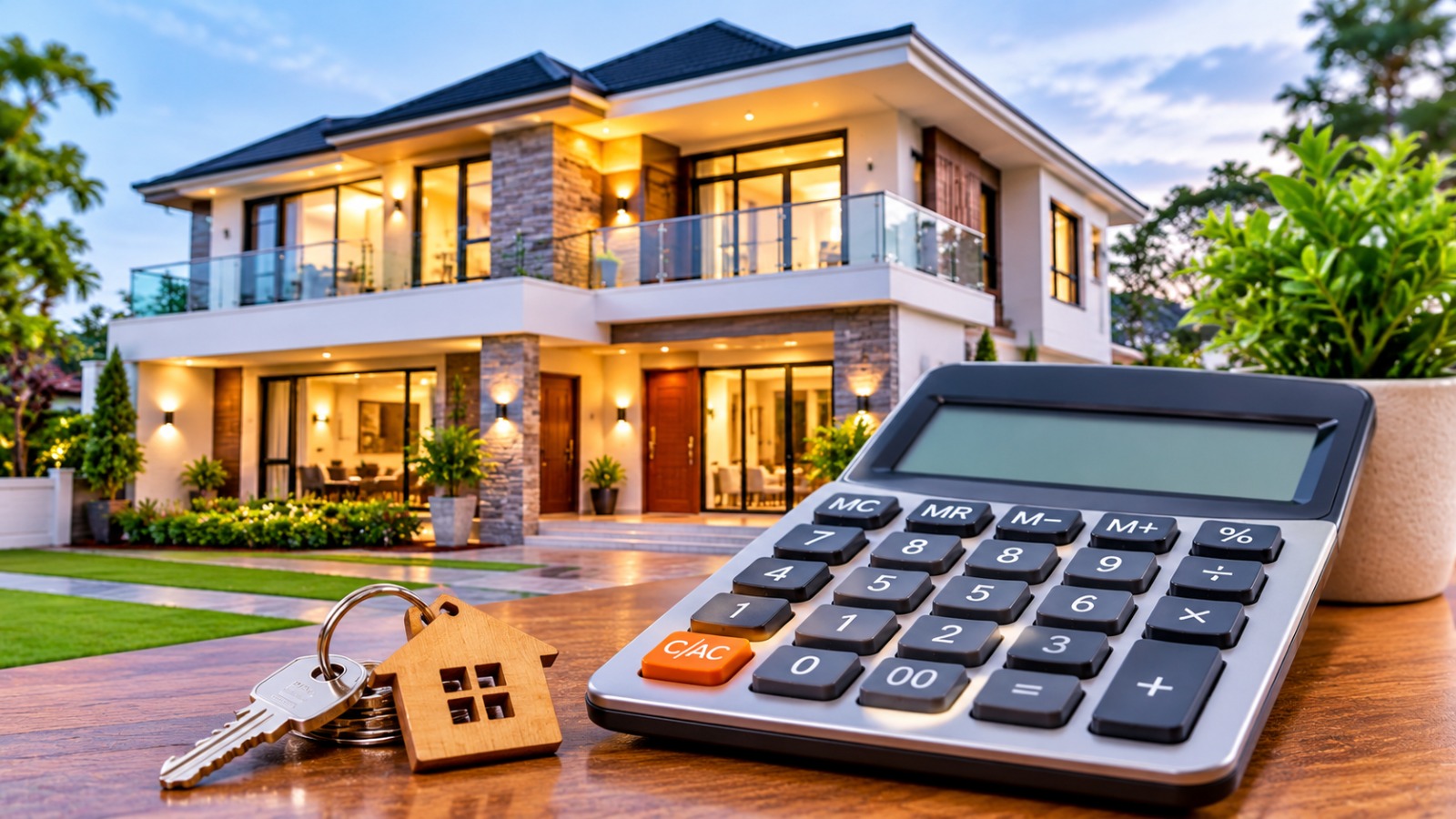
Building a house in Nigeria has become a major financial undertaking. What used to be a relatively straightforward plan of buying land, purchasing materials and hiring workers now requires careful budgeting, especially as cement, reinforcement steel, labour and finishing materials continue to affect construction costs.
In November 2026, the amount you need depends heavily on the location, size, design and quality of the house. A modest bungalow in a smaller city will not cost the same as a finished duplex in Lagos. TheHouse48 offers property insights for buyers and investors who want to understand the financial realities of owning a home.
How Much Does It Cost to Build a House in 2026?
There is no single price for building a Nigerian home, but recent estimates provide a useful starting point.
A September 2026 estimate from Trace My Build puts a standard three-bedroom bungalow of approximately 125 square metres in Lagos at around ₦42 million, including external works, approvals, contingency and contractor costs, but excluding land.
Other estimates are higher. My House Cost NG, in its October 2026 guide, places a standard three-bedroom bungalow in Lekki at approximately ₦64.8 million. The difference reflects variations in specifications, project assumptions and site requirements.
For larger properties, particularly duplexes with premium fittings, the budget can rise considerably. These figures are planning estimates, not fixed quotations. A quantity surveyor should prepare a project-specific Bill of Quantities before construction begins.
Why Has Construction Become So Expensive?
Building materials: Cement, steel, roofing sheets, tiles, plumbing fittings and electrical components all contribute to the final bill. In August 2026, Nairametrics reported that cement prices in some locations had reached ₦12,500 to ₦15,000 per bag, while reinforcement steel was selling for approximately ₦1 million to ₦1.5 million per tonne.
Labour: Skilled artisans, engineers, electricians, plumbers and other workers charge for their services. Labour costs can increase when projects take longer than expected or require specialised work.
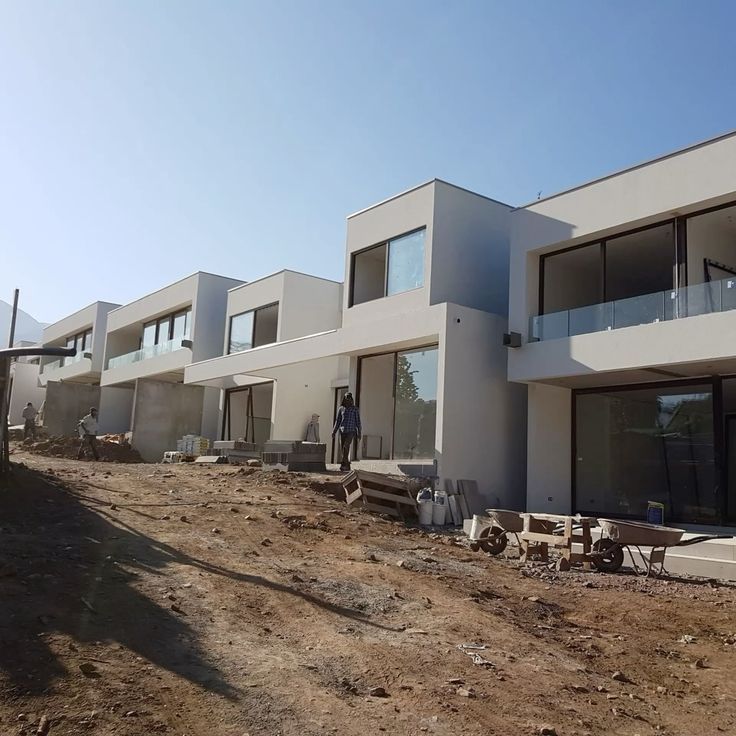
Land and soil conditions: Buying land is only the beginning. Waterlogged or weak soil may require additional foundation work, while difficult access can increase the cost of transporting materials. In areas such as Lekki and parts of Ajah, soil conditions can make construction more expensive.
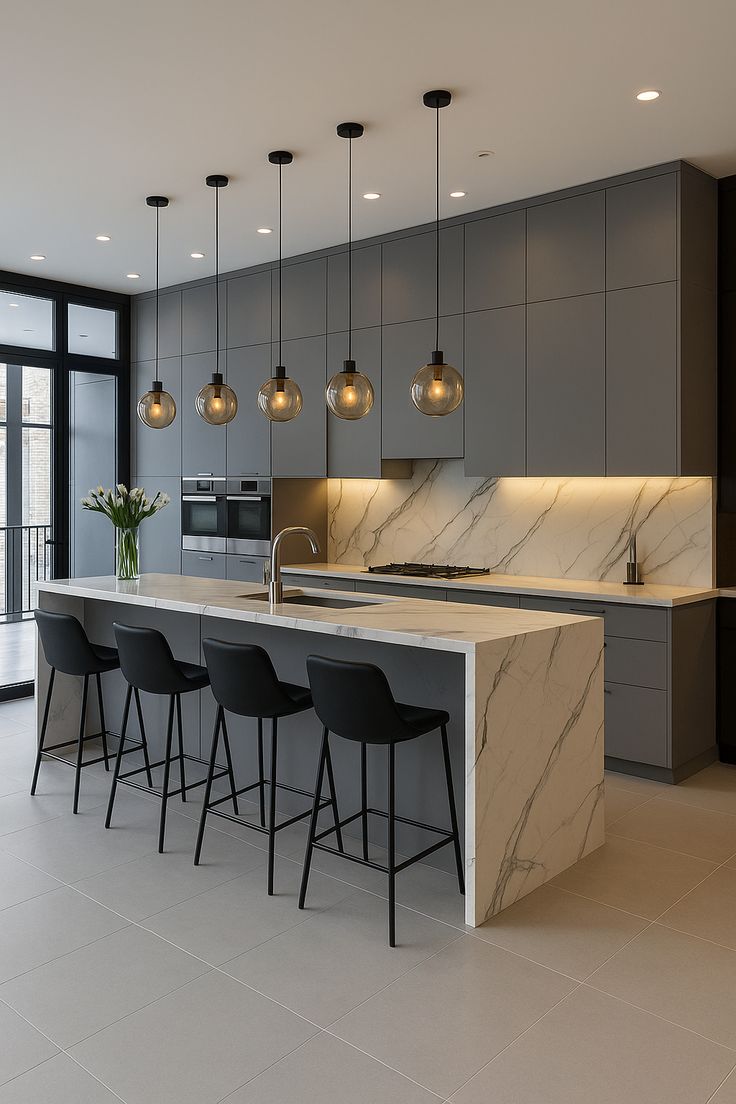
Finishing: Two houses with identical layouts can have very different budgets. Imported tiles, fitted kitchens, quality sanitary fittings, security doors and decorative ceilings can substantially increase the final cost.
The Expenses People Often Forget
The building itself is not the entire project. You may also need to budget for architectural drawings, structural and mechanical designs, building approvals, survey work, fencing, gates, drainage, boreholes, septic tanks, electrical connections and landscaping.
Furniture, appliances, solar installations and security systems can add another substantial amount. It is sensible to keep a contingency reserve of around 10 to 15 per cent rather than spending your entire budget on the initial estimate.
This is also why Nigerian developers are now building smaller apartments. Rising construction expenses and affordability pressures are influencing the size and specifications of new homes.
How Can You Control Your Building Budget?
Start with a realistic design that matches your finances. Obtain a detailed Bill of Quantities from a qualified quantity surveyor, compare suppliers and agree on payment stages tied to completed work.
Avoid purchasing large quantities of materials without proper storage and supervision. Monitor spending regularly, keep receipts and document any changes to the original design.
Building or Buying: Which Makes More Sense?
Building gives you greater control over the design, layout and materials, but it requires time, supervision and the ability to handle unexpected expenses. Buying a completed property may cost more upfront, but it can reduce the uncertainty of managing construction yourself.
TheHouse48 can help you explore available property opportunities while comparing the costs and benefits of building versus buying.
Ultimately, the real cost of building a house is determined by more than its number of bedrooms. Your location, foundation, materials, finishing choices and project management will decide how much you actually spend. Plan with current figures, not estimates from several years ago.
Comments