
Published on 8/24/2026
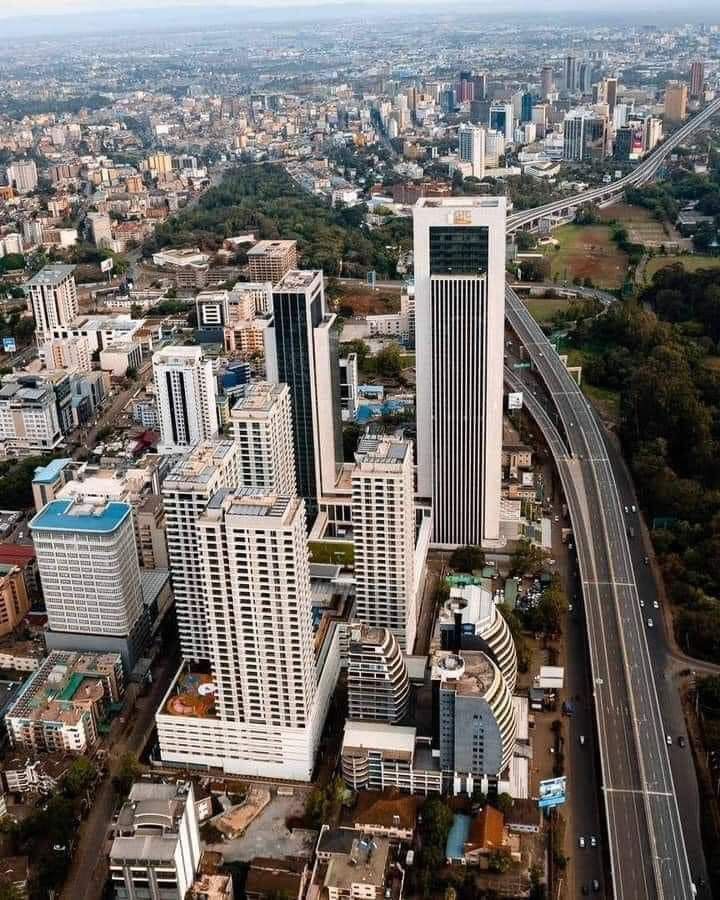
The question gets asked constantly and answered vaguely. Lagos is always described as the most dynamic. Abuja as the most stable. Port Harcourt as the most overlooked. All three descriptions are partially accurate and none of them, on their own, tells an investor anything useful about where to put money in 2026. The honest comparison requires actual numbers, specific corridors, yield data and a clear-eyed view of what each city rewards and what each one demands. At TheHouse48, this is the conversation that replaces the broad characterisations with the analysis that actually supports a decision.
Lagos: The Highest Stakes, The Highest Ceiling
Lagos remains Nigeria's most liquid and most volatile property market simultaneously, and understanding both sides of that equation is the starting point for any serious investment there. Diaspora investors now account for up to 70% of capital inflows into Nigeria's premium residential segment, and prime Lagos prices are frequently quoted and negotiated in US dollars, giving dollar-denominated buyers structural protection against naira depreciation that no other Nigerian city replicates at the same scale. Lekki Phase 1, which alone accounts for nearly a quarter of all property-for-sale searches across the wider Lekki corridor, is delivering price increases of 10 to 15% over the last six months of 2025 with projected additional growth of 8 to 16% for 2026 on three to four-bedroom units. The Ibeju-Lekki and Lagos-Calabar Coastal Highway corridor is the most aggressive growth story in the current cycle, with properties within five kilometres of the highway's first opened section already commanding 25 to 40% price premiums since December 2025. Gross yields on two to three-bedroom Lekki apartments run between 7 and 9%, with well-managed short-let products going higher during peak periods. The risk side is equally specific. Lagos requires the most active due diligence, carries the most complex title environment and delivers the widest variance in outcomes between a well-researched and a poorly-researched purchase.
Abuja: The Most Predictable Return Profile in Nigeria
Abuja is not the highest-yielding market in Nigeria. It is the most consistently performing one, and for investors whose primary concern is capital preservation alongside steady income, that distinction matters more than the headline yield differential. The FCTA is committing an estimated ₦1.7 trillion to infrastructure projects, and the market's 2026 trajectory is defined by the expansion of what analysts are calling new prime districts, corridors like Katampe Extension and Jabi where emerging luxury demand is running ahead of supply. The average price per square metre in Katampe was around ₦1.8 million at the end of 2025, with three-bedroom apartments moving from ₦150 million to nearly ₦200 million within months, and 2026 projections for Katampe and Jabi sit at 15 to 20% price growth. Abuja's annual market-wide price increase has held between 8 and 10% for several consecutive years, with high-growth sub-markets like Katampe, Dakibiyu and Kaura expected to deliver 13 to 18% over the next twelve months. The corporate and diplomatic tenant base, which includes government agencies, embassies and multinationals, produces long-term leases with creditworthy tenants that sustain yields of 5 to 8% with lower management intensity than Lagos short-let portfolios. For investors who want to own in Nigeria without managing frequent tenant turnover, Abuja is the most rational choice.
Port Harcourt: The Yield Story That Keeps Being Underpriced

Port Harcourt is consistently described as Nigeria's most underrated property market and consistently underinvested by diaspora buyers who gravitate toward Lagos and Abuja on familiarity rather than fundamentals. The numbers make the case plainly. Port Harcourt residential property in GRA and central areas costs approximately ₦700,000 to ₦1.2 million per square metre, roughly 40 to 60% less per square metre than Lagos property in comparable neighbourhoods, while delivering rental yields of 6 to 8% on standard residential property, measurably higher than Lagos prime area yields of 4.5 to 6%. The GRA and Peter Odili Road corridor is projected to deliver 12 to 18% price growth in 2026. The corporate leasing market, anchored by oil and gas executives, service company staff and an increasing presence of tech and logistics employers, produces tenants with long lease terms and consistent payment records that make Port Harcourt one of the most cashflow-reliable markets in Nigeria. The city's market is directly linked to oil and gas sector stability, which is both its strength and its primary risk. When energy prices are firm and production is steady, Port Harcourt rewards investors with yields that Lagos and Abuja cannot match at comparable entry costs.
The Honest Verdict for 2026
Lagos delivers the highest capital appreciation potential and the widest liquidity for resale, but demands the most from an investor in due diligence, active management and tolerance for complexity. Abuja delivers the most stable and predictable return profile with the lowest management intensity, making it the strongest choice for capital preservation and long-term rental income. Port Harcourt delivers the best yields relative to entry cost for an investor comfortable with the oil-sector linkage and willing to hold through the cyclicality that comes with it.
TheHouse48 believes that the right answer to this comparison is not a single city. It is the city that matches your investment horizon, your risk tolerance and your capacity for active management. For most investors, the question is not which city is best. It is which city is best for you.
Sign up for our emails and be the first to know about special offers.
Sign In
Comments