
Published on 7/2/2026
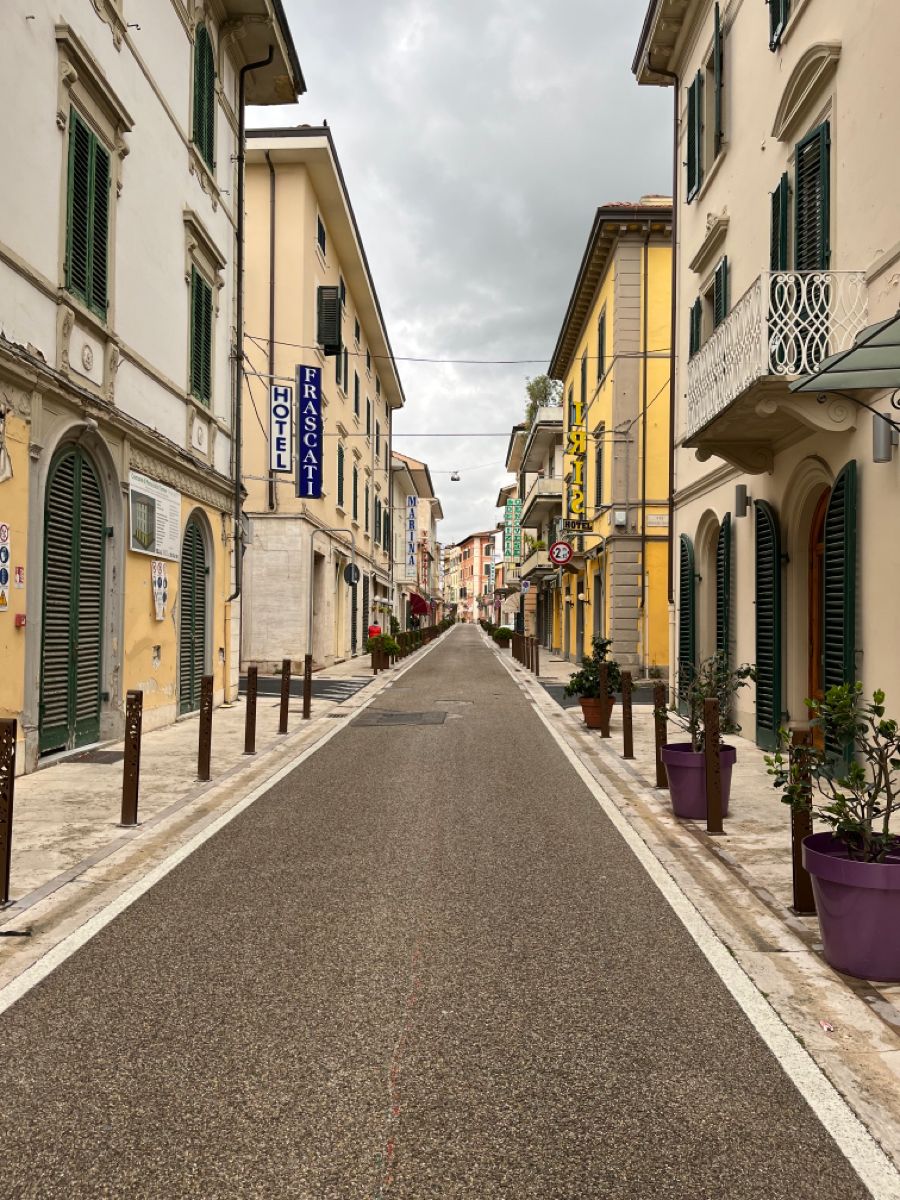
Italy is selling houses for one euro. That sentence has circled the internet for years, attracting curiosity, scepticism and, increasingly, serious buyers who have done their research and decided the opportunity is real. It is real. But it is also more layered than the headline suggests, and for Nigerian buyers specifically, understanding exactly what the scheme delivers and what it does not is the difference between a smart first move and an expensive misunderstanding. At TheHouse48, we believe the one-euro home is genuinely worth considering, but only when the full picture is in view.
What the Scheme Actually Is
Italy's one-euro home programme is not a single national policy. It is a series of small initiatives run by individual local councils across the country, each with its own terms, renovation deadlines and residency conditions. The shared motivation behind all of them is demographic. Over 5,000 Italian municipalities, roughly 60% of the total, have fewer than 5,000 residents, and many are losing 2 to 5% of their population every decade. Empty properties accelerate this decline, and municipalities are transferring them to buyers willing to renovate in exchange for the symbolic price. Sicily and Sardinia remain the most active regions, with Sicily alone home to around 35 towns offering properties, from coastal spots like Augusta and Palma di Montechiaro to inland mountain villages like Troina and Castel di Lucio. New schemes launched as recently as April 2025 in Villa Basilica in Tuscany and March 2025 in Petrella Tifernina in Molise, meaning the programme is actively expanding rather than winding down.
What Nigerian Buyers Need to Know About Eligibility
The first reassurance is straightforward. Italy does not restrict property ownership by nationality. Non-EU buyers can purchase property freely, provided there is a reciprocal agreement between Italy and their home country. Nigeria qualifies under this framework, meaning Nigerian nationals can legally acquire one-euro homes without restriction. The primary requirements are presenting a plan for renovations and completing the renovations within a set period depending on the municipality, alongside paying an insurance policy to the local council, often around €5,000.
The Real Cost Behind the €1 Price Tag

This is where clarity matters most. The purchase price is genuinely one euro, but the total cost is considerably higher. Buyers must pay a refundable security deposit of between €3,000 and €10,000, renovation costs of between €20,000 and €100,000 or more depending on the property's condition, and notary and tax fees of between €5,000 and €10,000. Some towns offer financial incentives to offset these costs. Cinquefrondi in Calabria offers incentives of up to €15,000 to help with renovation costs, and a well-executed renovation in Mussomeli, Sicily, with a total investment of €50,000 has been shown to generate approximately €7,200 per year in rental income, representing a 14.4% annual return. Italy's tax framework also helps. The Building Renovation Deduction in 2026 is generally 36%, rising to 50% when the legal requirements for a main home are met, with energy efficiency deductions available for qualifying works.
The Property Alone Does Not Grant Residency
This is the point that every Nigerian buyer must understand before committing. Owning a one-euro home will not give any residency rights in Italy, and visa rules still apply to non-EU nationals. The property opens the door. It does not walk you through it. What it does is provide the foundation for a legitimate residency application. The most common pathway for buyers who do not intend to work in Italy is the Elective Residency Visa, designed for individuals with stable, passive income. This visa requires demonstrating a minimum annual income from passive sources such as rental income, pensions or investments, typically around €31,000 per year for a single applicant, along with proof of accommodation in Italy, which the purchased property satisfies. The property is the evidence of accommodation. The income requirement is separate and must be met independently.
The Towns Still Active in 2026
Mussomeli in Sicily remains the most popular programme with the largest inventory. Sambuca di Sicilia offers properties in a picturesque hilltop setting. Gangi and Troina in Sicily have active programmes with good local infrastructure. On the mainland, Zungoli in Campania and Pratola Peligna in Abruzzo are strong choices, while Ollolai in Sardinia stands out for its remote natural beauty. Each town has its own character, its own renovation timeline and its own relationship with incoming buyers, which is why visiting before committing is not optional advice. It is essential.
TheHouse48 sees the one-euro home not as a shortcut but as a serious opening move for Nigerian buyers who are prepared to invest in the renovation, meet the income requirements for the Elective Residency Visa and commit to a process that rewards patience and preparation. Italy is not giving away homes. It is offering a partnership, and for the right buyer, it is one worth taking.
Sign up for our emails and be the first to know about special offers.
Sign In
Comments