
Published on 8/25/2026
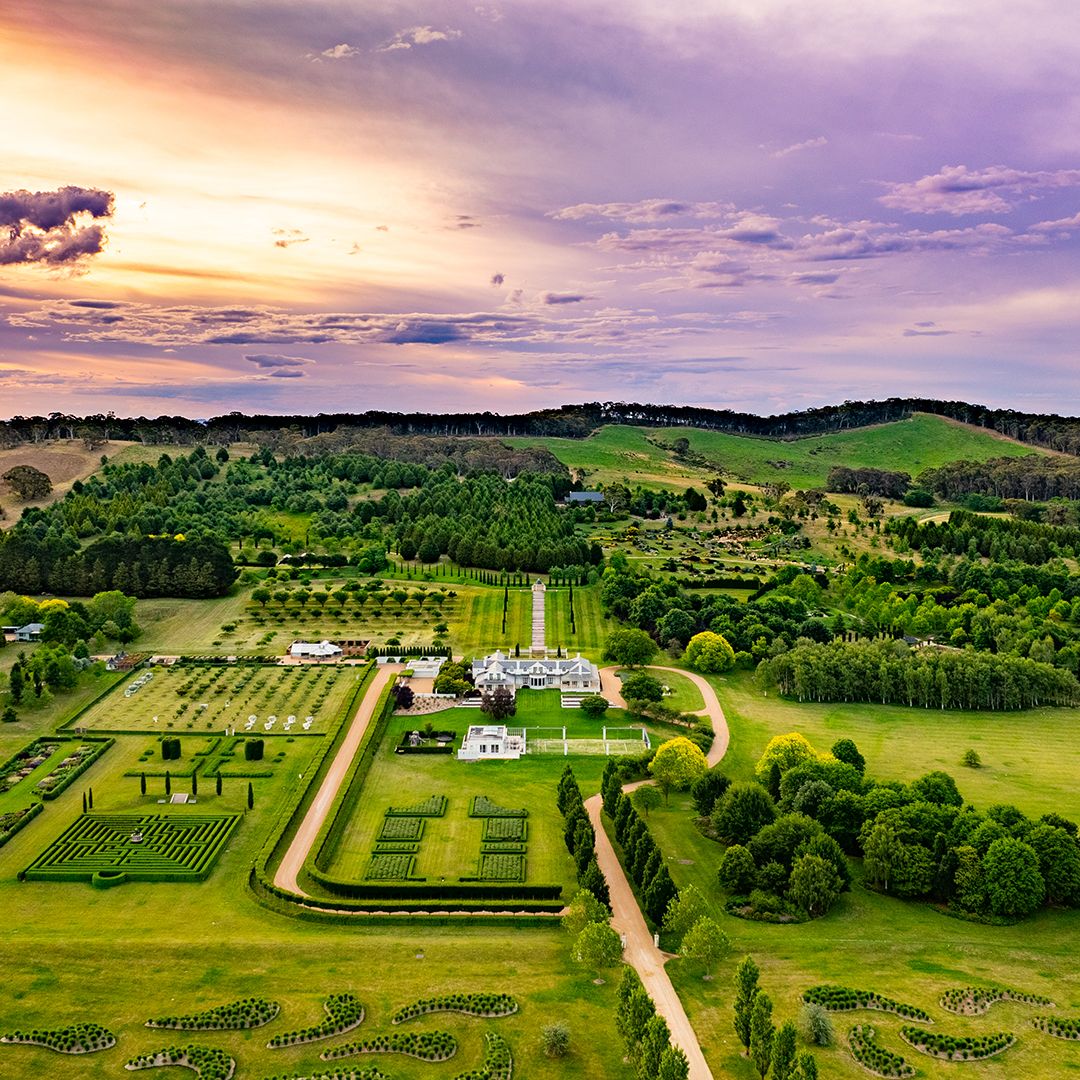
Something unexpected is happening at the edges of Nigeria's major cities, quietly enough that most of the property investment conversation has not yet caught up with it. Nigerians, including diaspora returnees, urban professionals and a growing number of deliberate investors, are buying agricultural land and building on it not houses, not estates in the conventional sense, but something that sits in a category the Nigerian market is only just learning to price: the luxury farm retreat. It is part real estate investment, part hospitality business and part lifestyle statement, and the early movers in this space are generating returns that neither the residential nor the commercial market was offering them. At TheHouse48, this is one of the most genuinely original investment stories emerging from Nigeria right now.
The Demand That Made This Possible
The underlying demand signal that is driving this trend was measured precisely enough to take seriously. A 2024 survey by the Nigerian Institute of Hospitality found that 68% of city residents aged 28 to 45 would rather visit a place offering natural outdoor experiences than choose city luxury. More strikingly, 53% of those respondents had never visited a farm, and yet the majority expressed a strong desire to try one if the experience promised comfort, relaxation and proper facilities. That is a latent market of enormous scale in a country of over 200 million people with a growing urban middle class that is increasingly seeking relief from Lagos and Abuja traffic, noise and density. The Nigerian Tourism Development Authority estimates that if just 1% of domestic tourists redirected weekend trips to farm destinations, the country could generate ₦25 billion annually in rural tourism revenue, excluding the indirect gains from job creation and supply chains that accompany that activity. The demand existed long before the supply arrived to meet it, which is the most favourable market position any early investor can occupy.
The Pioneers Who Proved It Works
The retreat model did not emerge from theory. It emerged from specific people making specific decisions that are now visible and verifiable. Xtralarge Farms, founded by Dr Seyi and Dr Moji Davids after they returned from the US, sits on sprawling land just outside Lagos and functions simultaneously as a working farm and a full resort with a pool, spa, cinema, restaurant, guided farm tours and overnight accommodation. It is the clearest existing proof that farming and hospitality are not a contradiction in the Nigerian context. Almat Farms, approximately one hour's drive southwest of Abuja, sits on over 40 hectares of open countryside and offers guided tours through crop fields and animal enclosures, horseback riding, ATV rides, fishing and a swimming pool, all on active agricultural land producing organic vegetables and livestock feed. Green House Farms and Resort on the Abuja-Karu corridor offers a similar configuration, far enough from the city that the transition out of urban density is itself part of the experience. Elysian Farm and Resort in Ibadan, launched in April 2025, blends agro-realty with leisure and has a five-year target of becoming a major tourist escape by 2030 through eco-cottages, villas and lifestyle facilities.
The Land Economics That Make the Investment Case

Agricultural land in Nigeria trades at a fraction of the price of residential or commercial land in comparable peri-urban locations, and that pricing gap is the core of the investment thesis. A buyer who acquires agricultural land within 60 to 90 minutes of Lagos or Abuja at rural land rates, then develops it with accommodation, amenity infrastructure and a curated experience, is creating a hospitality asset on a significantly discounted land base. The global agritourism market is a $69 billion industry projected to grow at more than 12% annually between 2024 and 2030, with premium eco-retreats, wellness-integrated farm stays and luxury agricultural experiences attracting the highest-spending segment of that growth. The convergence of agritourism and wellness tourism, where farms offer yoga retreats, spa treatments, sound healing and farm-to-table dining alongside agricultural experiences, is the segment growing fastest in high-income markets globally and the segment Nigeria's urban professional class is demonstrably hungry for domestically.
The Risks That Belong in This Conversation
The investment case is real but the execution risks are equally specific. Agricultural land in Nigeria carries the same title verification requirements as any other category of land, including full checks at the relevant state land bureau, Governor's Consent for any transfer and independent surveyor verification that the physical plot matches the title coordinates. The hybrid nature of a farm retreat, sitting between agricultural use and hospitality use, requires careful review of the permitted development framework in the relevant state, because not every agricultural plot is automatically permissible for the accommodation and entertainment facilities that make the retreat model financially viable. Managing a hospitality business remotely from the diaspora or from Lagos adds an operational complexity that pure real estate investment does not carry, and the quality of the management team running the retreat determines a significant proportion of what the investment actually returns.
TheHouse48 believes that the Nigerian investors buying farmland and building retreats are not making a sentimental decision about nature or escape. They are identifying an undersupplied category in a market with documented demand, entering it on a discounted land cost base and building an asset that earns from day one of operation. That is not nostalgia for the countryside. That is a sensible investment thesis, and the early evidence suggests it is working.
Sign up for our emails and be the first to know about special offers.
Sign In
Comments