
Published on 7/20/2026
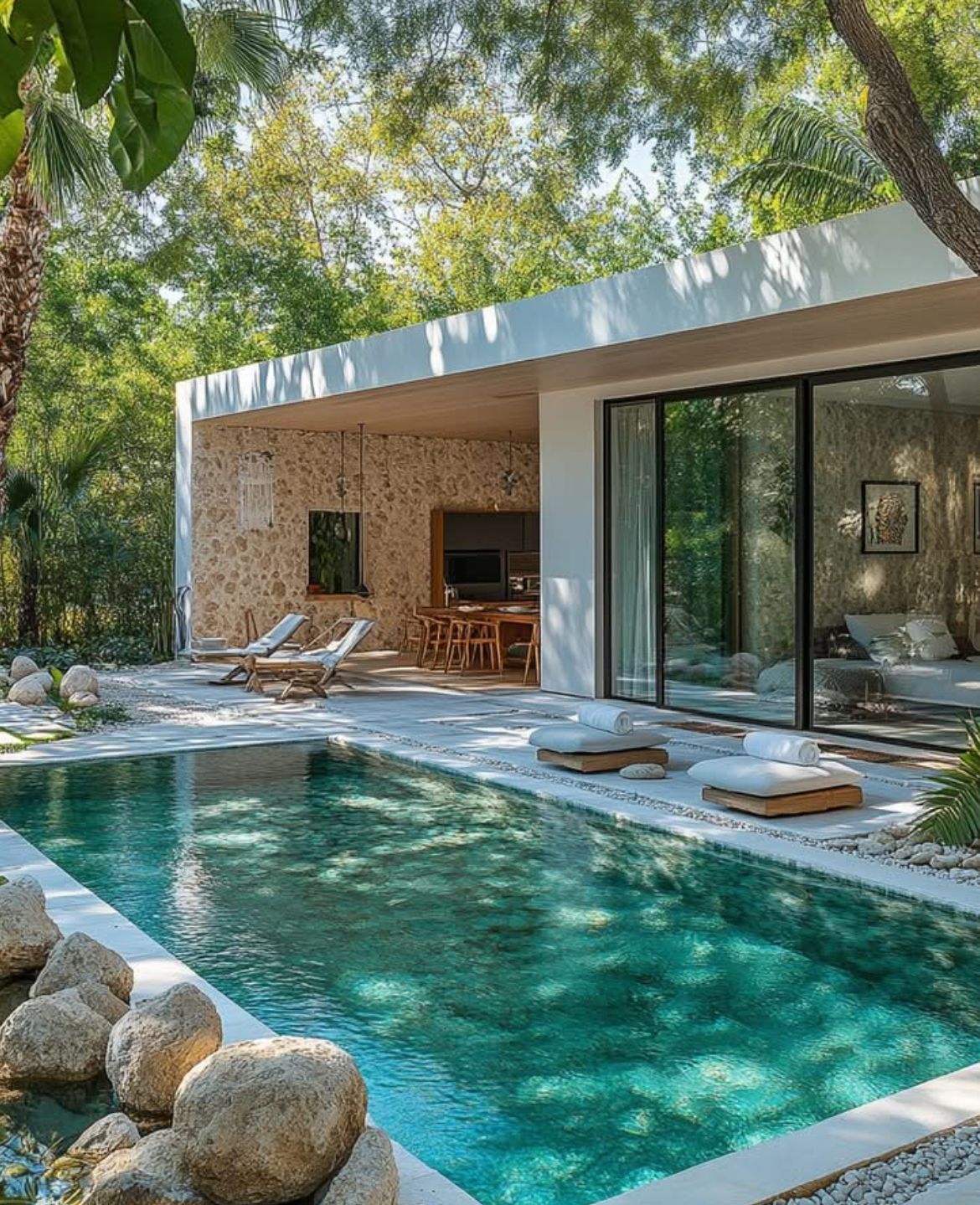
The idea of owning a luxury villa in Bali has always existed in a specific bracket of aspiration, the kind that requires a conversation about prices that start at $300,000 and climb sharply from there. For most Nigerian investors, that bracket has felt out of reach, not because the interest was absent but because the full capital commitment was. What has changed in 2026 is the structure. A model called fractional co-ownership is giving internationally minded Nigerian buyers a legally sound, financially sensible route into Bali's villa market for as little as $20,000, and the returns it is producing are drawing serious attention. At TheHouse48, this is one of the most practically accessible international property strategies we have seen emerge in recent years.
What Fractional Co-Ownership Actually Is
The first distinction that every buyer must understand is the one between fractional co-ownership and a timeshare, because they are not the same product and the difference matters enormously in financial terms. A timeshare is a depreciating use-right. You pay for the right to occupy a property for a defined period, hold no equity, receive no rental income, cannot benefit from capital appreciation and typically cannot resell your interest at market value. Fractional co-ownership is categorically different. Through a Special Purpose Vehicle, typically a private limited liability company registered in Indonesia, a buyer holds shares proportionate to their ownership fraction in a company that holds the property title. That shareholder is entitled to rental income distributions, a proportional share of capital gains on sale and the right to sell their shares on a resale marketplace. The equity is real, the income is real and the exit is structured.
What the Numbers Look Like in 2026
The entry point for fractional co-ownership of a Bali luxury villa starts at approximately $20,000 for a one-eighth share, which entitles the owner to 44 nights of personal use per year alongside passive rental income on the remaining occupancy. Bali villa property prices average around $910 per square metre as of 2026, meaning full ownership of a premium three or four bedroom villa in Canggu, Uluwatu or Seminyak requires a capital commitment that most individual buyers simply cannot deploy into a single asset without concentration risk. The fractional model removes that barrier while preserving the economic upside. Gross rental yields in prime Bali tourist areas run between 7 and 15% annually, driven by a market that maintained approximately 65% average occupancy in 2025 with an average daily rate of around IDR 1.5 million per night. Bali real estate is projecting a 13 to 15% total return in 2026, a figure that structurally outperforms comparable fractional holiday home markets in Spain, Portugal and the French Riviera. Annual ownership costs for a one-eighth share in a Uluwatu three-bedroom villa run approximately $2,101, or around $175 per month, making the ongoing cost of ownership genuinely manageable for a buyer whose entry point was $20,000.
The Legal Structure That Makes It Work for Foreigners
Indonesia does not permit foreign nationals to hold freehold land title directly, which is the most commonly cited barrier for international buyers entering the Bali market. The SPV structure solves this cleanly. A foreign buyer holds shares in an Indonesian-registered company, and that company holds the property title. The shareholder agreement governs income distribution, usage scheduling, exit rights and what happens if the platform operator ceases operations. A critical protection built into properly structured arrangements is that the villa is never on the operator's balance sheet. Co-owners retain their shares and can appoint a new manager if the current platform fails, which is a protection that does not exist in any timeshare product. Obligations for foreign villa co-owners include Indonesian income tax on rental earnings, annual land and building tax and corporate tax at the SPV level, all of which require local tax advice at the point of structuring rather than after the fact.
The Six Neighbourhoods Nigerian Buyers Are Looking At
The six Bali areas drawing the most attention from international fractional buyers in 2026 are Canggu, Uluwatu, Seminyak, Umalas, Ubud and Pererenan, each with a distinct yield profile and occupancy character. Canggu and Uluwatu command the strongest short-term rental demand, with the surf culture and clifftop positioning of Uluwatu generating some of the market's highest nightly rates and consistent occupancy from a global visitor base that does not concentrate in a single nationality. Ubud attracts a wellness and retreat-focused visitor profile that extends average stays and smooths seasonal demand fluctuations. The second airport currently in development and the new subway infrastructure underway in Bali are expected to materially expand the visitor base from the government's 2024 figure of 6.3 million toward the 2030 target of 17 million, which underpins the medium-term demand thesis across all six areas.
TheHouse48 believes that Bali fractional co-ownership represents one of the clearest alignments between accessible entry cost, documented yield and a legally structured ownership framework currently available to Nigerian investors looking internationally. The villa is real. The equity is real. The question is simply whether the structure has been built correctly, and that question deserves the same scrutiny as any other property purchase.
Sign up for our emails and be the first to know about special offers.
Sign In
Comments