
Published on 10/20/2026
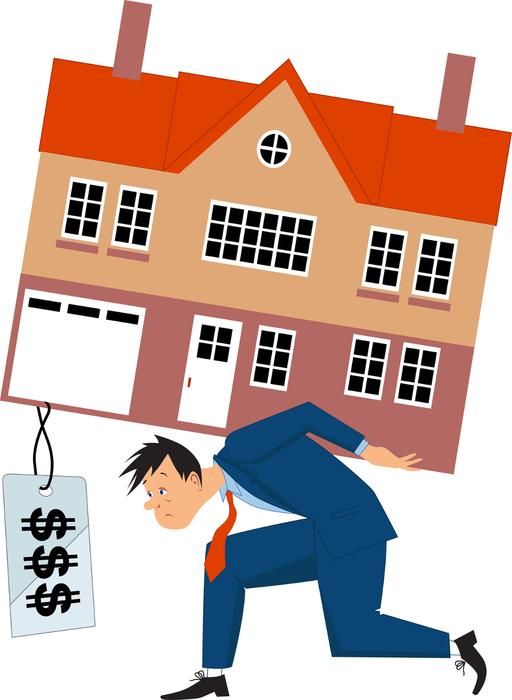
For many Nigerians living abroad, buying property back home represents years of saving, sacrifice, and plans for the future. Someone working in London, Toronto, Houston, or Dubai may spend years putting money aside for a house in Lagos or land in Abuja. Then an agent promises to handle everything remotely, sends attractive photographs, and assures the buyer that the property is a perfect investment.
Months later, the buyer discovers that the land belongs to someone else, the documents are questionable, or the house they paid for does not exist.
The problem is not that every diaspora-focused agent is dishonest. Many are legitimate professionals. The danger is that distance, trust, and limited independent verification can create opportunities for fraudsters to exploit buyers who cannot easily check things themselves.
The Danger of Trusting the Wrong Person
One major vulnerability is relying entirely on a single intermediary. An agent may recommend the property, arrange inspections, provide documents, collect payments, and report progress. If that person is dishonest, the buyer has few independent ways to confirm what is happening.
Some scammers impersonate established agents or developers, while others operate through convincing social media pages and WhatsApp groups. They may use photographs of genuine properties they do not own or advertise land at unusually attractive prices to encourage quick decisions.
A familiar name, professional-looking website, or confident voice is not proof of legitimacy. Buyers should independently verify the agent’s identity, the seller’s authority, and the property's ownership before transferring money.
When Property Documents Look Genuine but Are Not
Another common problem involves fraudulent or misleading documentation. A buyer may receive a Certificate of Occupancy, survey plan, or deed of assignment and assume that the paperwork proves the seller owns the property.
However, documents can be forged, relate to a different parcel, or fail to reveal competing ownership claims. A genuine document also does not automatically establish that every subsequent transaction is valid.
There are cases where the same land is offered to multiple buyers, or a person sells property without the authority of the actual owner or other necessary parties.
This is why an independent property lawyer should verify the title through the relevant land registry and investigate any restrictions, competing claims, or government acquisition issues. The lawyer should work for the buyer, not simply rely on documents supplied by the agent.
How Buyers Can Protect Their Money
Before committing funds, buyers should arrange an independent physical inspection through a trusted representative who is not controlled by the seller. They should verify the title, confirm the seller’s identity, and obtain written agreements specifying the property, price, payment schedule, and responsibilities of each party.
Payments should be traceable and made to the verified account of the appropriate contracting party. Buyers should avoid sending money to unexplained personal accounts or paying under pressure because an agent claims another buyer is waiting.
For buyers planning to rent out a property rather than occupy it, understanding tenancy obligations is equally important. knowing when a landlord may be breaking the law can help property owners and tenants recognise legal issues before they become costly disputes.
What to Do If You Suspect a Scam
Stop further payments until the situation has been independently investigated. Preserve receipts, bank transfers, messages, contracts, advertisements, and copies of all documents. Consult a lawyer promptly and consider reporting suspected fraud to the appropriate law-enforcement agency.
Nigeria’s Federal Ministry of Housing and Urban Development has also introduced a Housing Fraud Reporting Platform where people can submit complaints and supporting evidence about fraudulent housing practices.
TheHouse48 helps property seekers explore real estate opportunities, but any prospective buyer should independently verify a property and the people involved before making a financial commitment.
Buying property from abroad does not have to be a gamble. The most important safeguard is to separate trust from verification. Even a recommendation from someone you know should never replace a proper investigation of the property, its ownership, and the person receiving your money.
Sign up for our emails and be the first to know about special offers.
Sign In
Comments