
Published on 10/29/2026
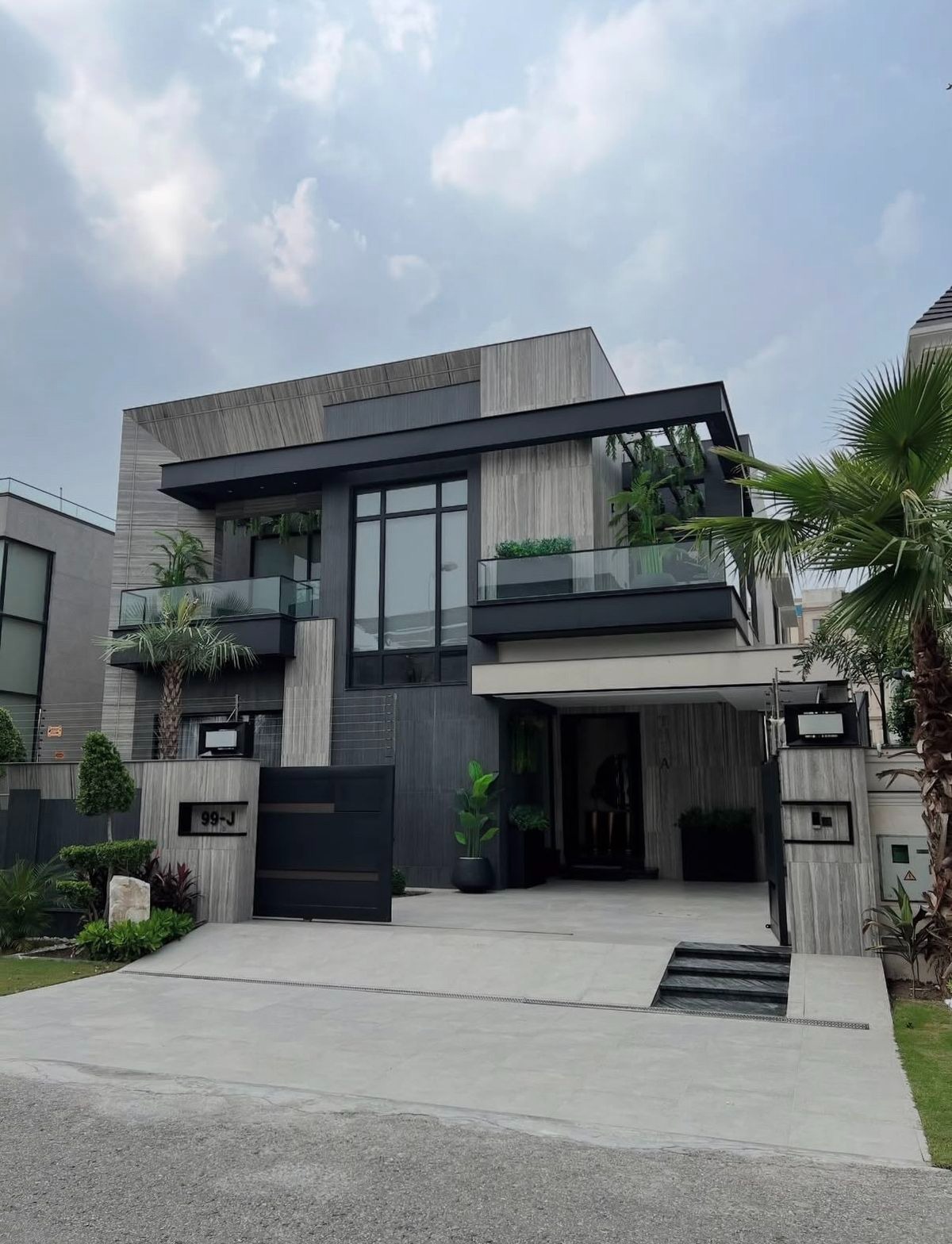
Walk through new residential developments in Lagos, Abuja or other growing Nigerian cities, and you may notice a change: more compact apartments, smaller layouts and greater attention to how every square metre is used. It is not simply a change in architectural taste. Developers are responding to an economic reality in which building costs keep rising while many prospective buyers struggle to afford the homes they need.
For developers trying to keep projects commercially viable, building smaller can be a way to reduce the final price without abandoning the market entirely. TheHouse48 offers property insights for people trying to understand these changes and make informed housing decisions.
Buyers Want Homes They Can Actually Pay For
A spacious apartment may look attractive on a brochure, but its price means little if the intended buyer cannot afford it. Many Nigerians face high living expenses, rising rents and limited access to mortgages that would allow them to spread the cost of buying a home over several years.
Developers are therefore paying closer attention to the total purchase price. A compact one-bedroom apartment may be more realistic for a young professional or a small household than a larger unit in the same development.
This shift connects directly to why regular Nigerians can no longer afford new homes. When incomes fail to keep pace with housing prices, developers must reconsider not only how much they charge but also the type of property they offer.
Smaller Apartments Make Land Go Further
Land is particularly expensive in established neighbourhoods such as parts of Lekki, Victoria Island and Ikeja. Building larger apartments on every floor limits the number of units a developer can fit into a project, subject to planning rules and the building's design.
Compact layouts can allow developers to create more homes on a site, potentially spreading certain project costs across more buyers. However, adding units is not always the answer. Poor ventilation, inadequate natural light, insufficient storage and cramped rooms can turn a cheaper apartment into an uncomfortable place to live.
The aim should be efficient design, not simply reducing floor space.
Does Smaller Mean More Affordable?
Not necessarily. The final price still depends on land costs, location, construction quality, infrastructure, financing and the developer's profit margin. A small apartment in a premium neighbourhood can cost more than a larger home in an area farther from the city centre.
Buyers should also consider transport costs, security, water supply, electricity and maintenance charges. A cheaper apartment far from work may create additional expenses that reduce its overall value.
What This Means for Nigeria's Housing Market
Smaller apartments could help developers serve buyers who have been priced out of larger homes, particularly first-time homeowners, young professionals and small families. But compact designs alone cannot solve Nigeria's housing affordability problem. Access to housing finance, better infrastructure, more predictable construction costs and a wider supply of reasonably priced homes remain important.
For anyone comparing options, TheHouse48 can be a starting point for exploring property opportunities and understanding the choices available in different markets.
Ultimately, smaller apartments reflect a market adapting to financial pressure. The real test is whether developers can make homes more attainable without sacrificing safety, comfort and long-term value. A smaller home can be a smart purchase when its design works for the people living in it and its price matches their budget.
Sign up for our emails and be the first to know about special offers.
Sign In
Comments