
Published on 10/16/2026
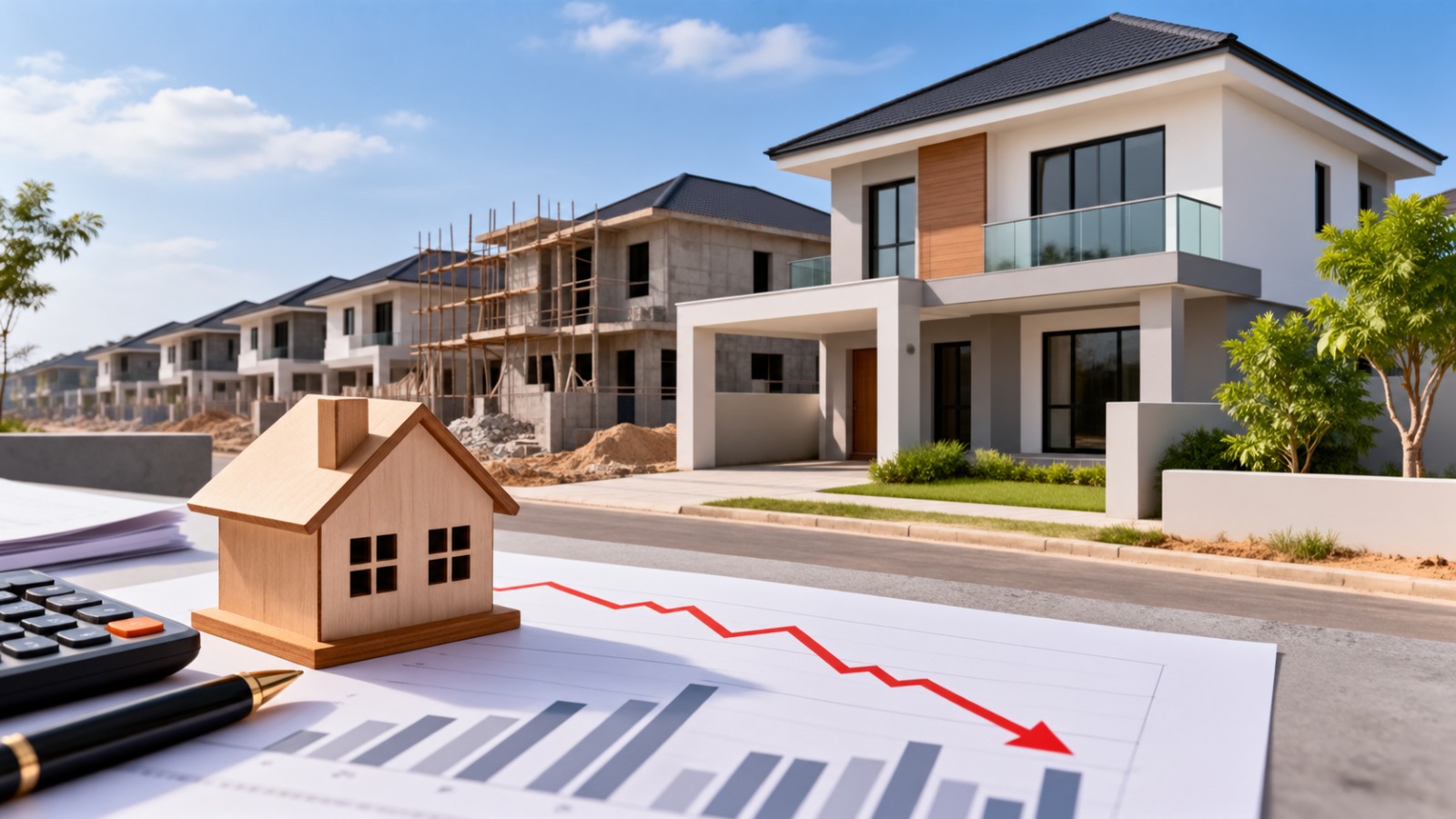
There is an assumption built into most new build purchases that the freshness of a property is an advantage that compounds over time. In reality, the newness of a property is a premium that begins eroding from the moment the keys are handed over, and in certain market conditions it can produce immediate measurable losses that catch buyers entirely off guard. The new build premium is the most reliable first source of that loss, and understanding how it works, why it exists and what happens to it across the first years of ownership is one of the most important pieces of financial knowledge any new build buyer can have. At TheHouse48, this is a conversation that almost never happens in the showroom.
The New Build Premium That Disappears at Completion
The average cost of a new build in the UK was £380,000 as of 2025 compared to £283,000 for older homes, a premium of approximately 34%. That gap represents what buyers pay for the guarantee of no hidden defects, modern energy efficiency, a structural warranty and a specification that has never been used. What it does not represent is a position that the market will validate when the buyer attempts to sell. The moment a new build is occupied, it is no longer new. It enters the resale market competing with genuinely new builds in the same development that the developer is still selling, usually with incentives, and with older comparable properties that buyers can inspect and negotiate on. A buyer who paid the new build premium and attempts to resell within the first two to three years will almost always encounter this gap between what they paid and what the resale market will support. In extreme cases, just like a new car, a home's value declines the day someone moves in and in some cases this can represent an immediate 20 to 50% loss relative to the new build purchase price where the premium was particularly inflated.
The Competition From the Developer Next Door
One of the least appreciated risks in buying a new build within a phased development is the ongoing competition from the developer's own sales operation. If you build a new home in one of those new developments and try to sell while the development is still selling and building new homes, you will take a beating. The developer controls the price of the new units and sets them based on their margin requirements, not on the secondary market. They also control the incentives, which can include mortgage subsidies, stamp duty contributions, furniture packages and legal fee contributions. A prospective buyer choosing between a resale unit from an individual owner and a brand new unit from the developer with a package of financial sweeteners will almost always choose the developer's offering. This creates a ceiling on resale value that sits below what the first buyer paid until the development is fully sold and the developer's marketing operation has closed.
The Development That Oversupply Before It Matures
The new build depreciation story is compounded in locations where developers over-built supply relative to genuine demand. The median selling price for new homes in the US peaked in October 2022 at $460,300 and had declined to $407,200 by February 2025, while the median resale home price in the same period was $396,800. At that point, new homes were commanding only a $10,000 premium over existing stock, a fraction of the premium buyers had paid at the height of the construction cycle. Buyers who purchased new builds at 2022 pricing in markets where oversupply subsequently corrected found themselves holding assets worth less than their purchase price in dollar terms with no path to recovery until either the market absorbed the excess supply or time moved them into the period where the property's newness was no longer a relevant frame for valuation. The build-to-sell and off-plan risk principle covered in our earlier blog on why buying off-plan is either genius or madness in 2026 applies with particular force here: the market a developer built for is not always the market that exists at completion.
How to Buy a New Build Without Being Overexposed
The practical protection available to new build buyers begins with an honest accounting of the premium they are being asked to pay and what it would take to recover it. Buying in a location with genuine structural undersupply, where the land constraint is real and the developer cannot simply release the next phase to create competition, reduces the resale exposure significantly. Buying in the early phases of a development when launch pricing is most competitive relative to the expected final pricing profile of the estate captures the appreciation that subsequent phases are priced against. Understanding that the two to three year window following occupation is typically the period of lowest resale value, and planning a holding period that extends beyond it, converts a temporary depreciation into a temporary entry cost rather than a permanent capital loss.
TheHouse48 believes that new build properties are genuine long-term assets in the right location with the right specification, and that the depreciation risk they carry in their early years is manageable with knowledge that the developer's sales team has no incentive to share.
Sign up for our emails and be the first to know about special offers.
Sign In
Comments