
Published on 7/28/2026
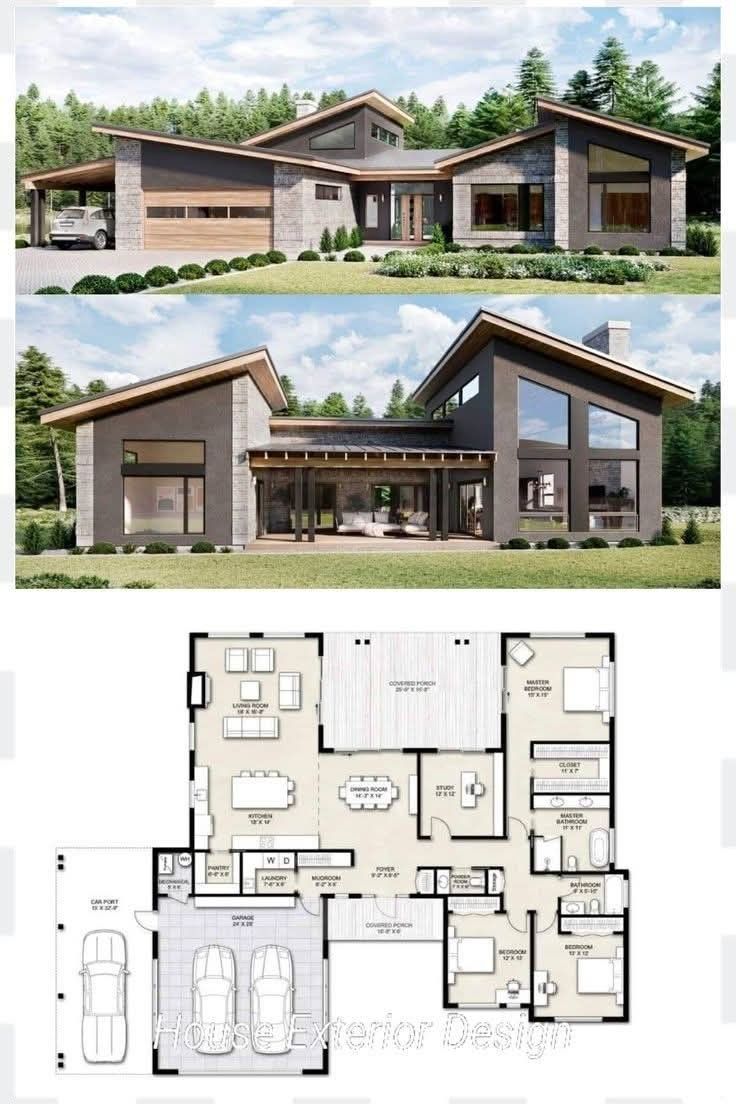
For most investors, the architect enters the conversation after the site is bought, the budget is set and the brief is written. They are handed a set of parameters and asked to design something that fits inside them. That sequence is one of the most consistently expensive mistakes in property investment, and the investors who have learned this tend to have learned it the hard way. Architecture is not decoration applied to an investment decision. It is the decision, made physical. At TheHouse48, the shift in how serious investors are engaging with design professionals is one of the most significant changes we have seen in how successful property development actually gets done.
What Architecture Actually Does to Value
The relationship between architectural quality and property value is not soft or anecdotal. Properties with high-grade architectural designs sell at higher prices than comparable ones without, because good design increases desirability, raises demand and thereby elevates selling or rental prices. The mechanism works in both directions. In premium real estate markets from Miami to Dubai, standardised, cookie-cutter structures suffer from rapid intellectual and financial depreciation, because standardised blueprints fail to account for the unique micro-conditions of a site, the evolving demands of buyers or the nuanced integration of modern technology. A property that looks like everything around it competes entirely on price. A property with a considered, site-specific design competes on identity, and identity commands a premium that price alone cannot manufacture.
The Site Reading That Only an Architect Does
The most undervalued thing an architect brings to a property investment is the ability to read a site before anything is built on it. Custom architecture treats a property as a unique ecosystem, optimising the specific topography, sun orientation and panoramic views of a plot, transforming geographical constraints into distinct architectural advantages. This is not a luxury consideration. In a market where construction costs have risen sharply, the investor who builds the wrong thing in the wrong orientation, with the wrong relationship to light, wind and neighbouring structures, spends the same money as the investor who builds it correctly. The difference in resale value and rental performance between the two outcomes is where the architect's fee pays for itself many times over. Well-designed homes are easier to live in, reduce frustration, support routines and feel right, and that translates directly into longer tenancies, lower vacancy periods and better tenant care.
The Compliance and Future-Proofing Dimension
Architecture in 2026 is increasingly shaped by how buildings perform over time rather than how they are presented at the concept stage, with tighter regulation, rising construction costs and more demanding sustainability targets forcing firms to rethink how projects are designed and delivered. An architect who understands the building code environment in which a project sits can design compliance in from the start rather than retrofitting it at significant cost later. Architects who stay ahead of building code changes and sustainability trends create properties that will not require costly retrofitting later, reducing risk and increasing appeal to investors who want long-term reliability. A future-ready property keeps delivering value across decades rather than requiring capital expenditure every few years to remain competitive.
The Investor-Architect Collaboration That Changes Outcomes
Architects and property investors often work in silos, but the best outcomes happen when strategy and creativity meet. Investors bring data. Architects bring ideas. The synergy of the two drives better outcomes across every dimension of a project. The investors making the sharpest decisions in 2026 are not handing architects a finished brief and waiting for drawings. They are involving design professionals at the feasibility stage, before the land is committed, before the budget is fixed and before the product type is decided. Architects can influence real estate value through their designs and contribute to creating a successful, long-lasting investment project, while also ensuring that the design is financially feasible and adheres to the developer's budget. That is a fundamentally different relationship from the one where the architect arrives after every important decision has already been made.
TheHouse48 works with buyers and developers who understand that the question of what to build is inseparable from the question of how to build it and who is trusted to make that judgement. The most expensive mistake in property investment is not overpaying for land. It is underthinking design, and discovering the cost of that decision only when the valuation comes back lower than the development cost justified.
Sign up for our emails and be the first to know about special offers.
Sign In
Comments