
Published on 7/31/2026
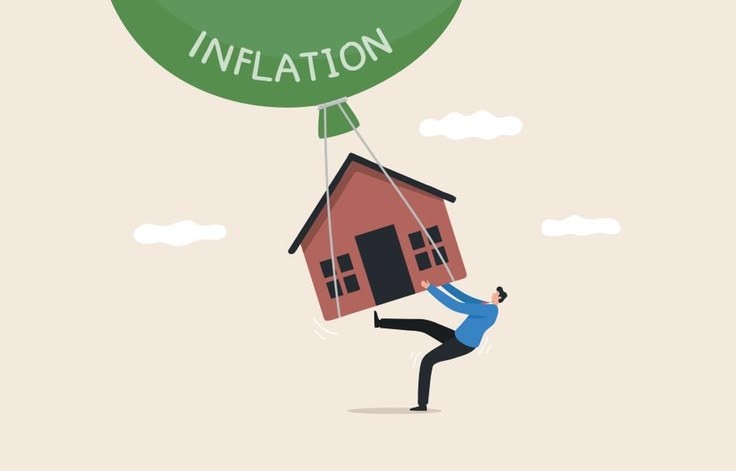
Most property owners know two numbers. What they paid and what it is worth now. The gap between those two figures is the number they talk about at dinners, repeat to family members and use to measure how well the investment has served them. It is also, in most cases, the wrong number. The figure that actually matters for understanding whether a property has built real wealth is not the nominal gain but the inflation-adjusted gain, and the difference between the two can be so significant that it completely changes the story a property owner believes about their asset. At TheHouse48, this calculation rarely appears in any sales pitch or property brochure, which is precisely why it deserves a clear and honest explanation.
The Gap Between What You Think You Made and What You Actually Made
The mechanism is straightforward but its implications are consistently underestimated. A home purchased for $200,000 in 2000 and sold for $500,000 in 2025 appears to have generated a $300,000 gain. The nominal return is 150%. But the dollar of 2000 and the dollar of 2025 are not the same thing. US consumer price inflation between 2000 and 2025 averaged roughly 2.5% annually, meaning that $200,000 in 2000 had the purchasing power equivalent of approximately $370,000 in 2025 terms. The real gain on that property was not $300,000. It was closer to $130,000. The nominal headline figure overstates the actual wealth creation by more than double. The S&P Cotality Case-Shiller Index, the most widely followed benchmark of US home prices, reported a 0.91% year-on-year nominal increase in January 2026, which was equivalent to a 1.44% decline in real terms when adjusted for inflation. Nominal prices were barely rising. In real terms, they were edging lower.
The Long-Run Picture That Actually Reassures
The inflation-adjusted picture is not uniformly discouraging. Historically, US home prices have appreciated at approximately 4.3% annually over the long run, against a long-term inflation average of roughly 2 to 2.5%, producing a real appreciation rate of approximately 1 to 2% per year above inflation. That modest but consistent real gain, sustained over decades, is the actual engine of residential property wealth building, not the dramatic nominal figures that tend to dominate the conversation. A home purchased for $100,000 in 1967 would equate to a value of roughly $1,136,868 in 2026 adjusted for inflation, meaning the nominal appreciation of over 1,000% overstates the real purchasing power gain significantly, but the real gain is still meaningful across a multi-decade horizon. Real estate over long periods does outpace inflation. It simply does so by less than the headline numbers suggest, and in periods of high inflation, the gap between nominal and real returns can create an illusion of wealth that dissolves the moment the owner tries to buy something with the proceeds.
The Costs That Compound Against the Real Return
The inflation-adjusted return is not even the full picture, because property ownership carries ongoing costs that must be subtracted from any realistic return calculation. Property taxes rising in 2026 as local governments catch up on assessments from the pandemic-era boom, insurance premiums increasing faster than general inflation across many markets, maintenance and repair budgets running at approximately 1% of property value annually, management fees for investment properties, and transaction costs at both acquisition and disposal all reduce the net return that actually accrues to the owner. A Phoenix rental property analysed over the 25 years from 2000 to 2025 delivered approximately 5% real annual return when all costs were accounted for, comparable to the S&P 500 over the same period, but only because of the exceptional appreciation Phoenix specifically delivered and the leverage effect of mortgage financing. The same property in a less appreciating market would have delivered considerably less, and possibly a real return that barely cleared inflation.
What the Calculation Looks Like in the Nigerian Context
For Nigerian property owners, the inflation dimension of this calculation is even more consequential. Nigerian consumer price inflation peaked at 34.6% in late 2024 and remained elevated well into 2025. A property in Lagos that appreciated 30% in naira terms over a year when inflation ran at 34% actually declined in real purchasing power terms. The nominal gain that appeared on paper was entirely consumed by the general rise in the price of everything else. This is the calculation that most Nigerian property owners are not performing, and not performing it means confusing currency depreciation and cost-push inflation with genuine wealth creation. The properties that genuinely build real wealth in the Nigerian context are those priced and transacted in dollars, those in corridors with infrastructure-driven demand that outpaces inflation, or those generating yields high enough that the income stream compensates for the real capital erosion on the asset itself.
TheHouse48 believes that the most honest conversation a property owner can have about their investment is the inflation-adjusted one. The nominal number tells you what the market recorded. The real number tells you whether your wealth actually grew. For most owners, that distinction is worth calculating at least once.
Sign up for our emails and be the first to know about special offers.
Sign In
Comments