
Published on 5/25/2026
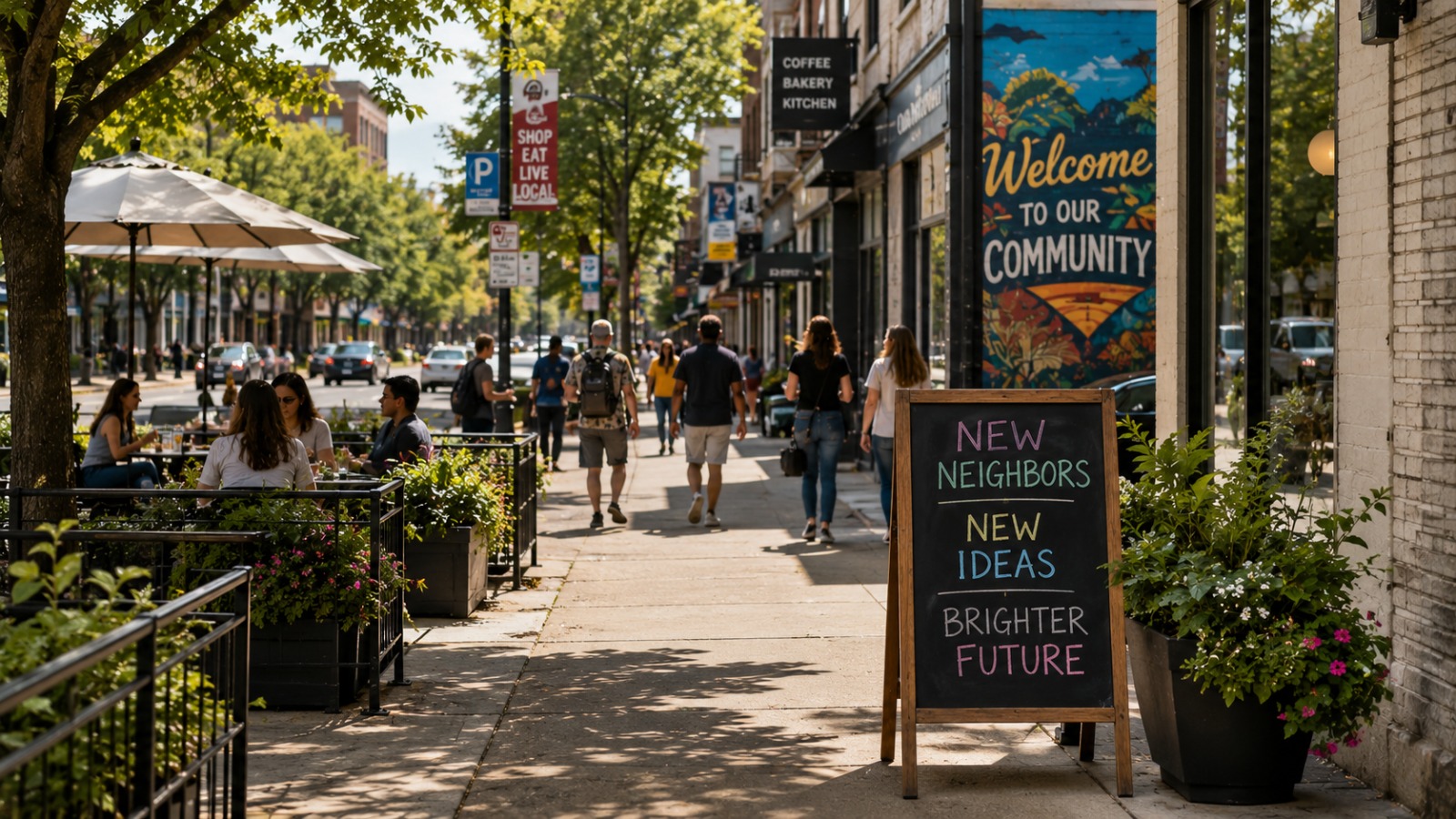
When new residents arrive in a town, they bring clues about where the area is headed. Population shifts act like early warning signals for changes in growth, culture, and demand. Even subtle increases in remote workers, young families, or retirees can reshape the local economy. Early in your research, browsing active migration hotspots on platforms like TheHouse48 can help you recognize where these trends are strongest.
The Economic Footprint: Industry Signals from Influx Demographics
New residents do more than relocate; they inject buying power, new skills, and fresh economic direction. Their careers and spending patterns often forecast the industries that will expand next.
The Remote Worker Revolution and Local Tech Spillovers
Remote workers bring higher incomes and digital-first expectations. As they move into smaller cities, they raise demand for better broadband, flexible workspaces, and tech-focused services. Over time, these clusters can attract satellite offices or remote teams from larger companies, quietly transforming the local economy.
Entrepreneurial Energy and New Business Formation
Growing communities often see a rise in new business registrations. Fresh arrivals open cafes, studios, retail shops, and consulting firms. These small ventures signal market confidence and reveal what products or experiences locals are willing to support.
Housing Market Indicators and Affordability Pressures
Migration influences property values almost immediately. Wealthier newcomers may outbid longtime residents, driving up prices in specific neighborhoods. Watching where demand grows helps predict which areas will see renovation booms, rental increases, or increased investor activity.
Infrastructure Demands: Forecasting Strain and Opportunity
As populations shift, public systems feel the pressure. This strain often exposes both weaknesses and opportunities for long-term growth.
Traffic and Transportation Adjustments
More residents mean more cars, fuller buses, and stricter parking needs. When commute times start creeping upward, city planners must respond with better routes, optimized traffic signals, or enhanced transit options.
Educational Capacity and School Planning

If families move in, schools fill quickly. Enrollment spikes require more teachers, larger buildings, or revised zoning. Communities that plan early avoid overcrowding and maintain strong performance ratings.
Utility Load and Broadband Expansion
Growing populations stretch local utilities. Water, power, and especially internet infrastructure must expand in step with demand. Migration data helps officials secure grants and plan upgrades before service gaps appear.
Cultural Evolution: The Shifting Social Fabric
Every wave of newcomers brings fresh customs, preferences, and expectations. These changes shape a neighborhood’s personality over time.
Changing Culinary Landscapes
Restaurants often reveal cultural shifts first. New residents bring new tastes, opening markets for diverse groceries, specialty ingredients, and fresh dining concepts that reflect their origins.
Civic Engagement and Political Trends
New arrivals may influence how a town votes, what issues rise to priority, and how active the community becomes in local governance. Election patterns and board participation often shift within just a few years.
Demand for Parks and Quality-of-Life Amenities
People moving for lifestyle reasons want clean parks, trails, and outdoor activities. Increased use of green spaces signals the need for more investment in recreation.
Retention and Integration: Predicting Long-Term Stability
A growing town must focus not only on attracting new people, but also on keeping them.
Measuring First-Year Turnover
High early turnover suggests deeper issues such as job shortages, rising housing costs, or unmet expectations. Stable areas demonstrate strong lease renewals and long-term homeownership.
Integrating Newcomers with Established Residents
Communities thrive when both long-time locals and new arrivals connect. Events, town meetings, and neighborhood programs strengthen trust and reduce friction during periods of rapid change.
Strengthening the Future Workforce
Younger newcomers shape the next generation of talent. Schools and training centers must align with the industries taking root in the area, ensuring the workforce grows with local opportunity.
Mapping the Future Through Today’s Arrivals
Population movement reveals trends before they fully unfold. Studying who moves in and why helps predict changes in employment, infrastructure, property values, and culture. With thoughtful planning, towns can grow in ways that support both new and long-term residents. For anyone evaluating where to live or invest next, platforms like TheHouse48 offer an early look at shifting patterns that can guide smarter decisions.
Sign up for our emails and be the first to know about special offers.
Sign In
Comments