
Published on 10/26/2026
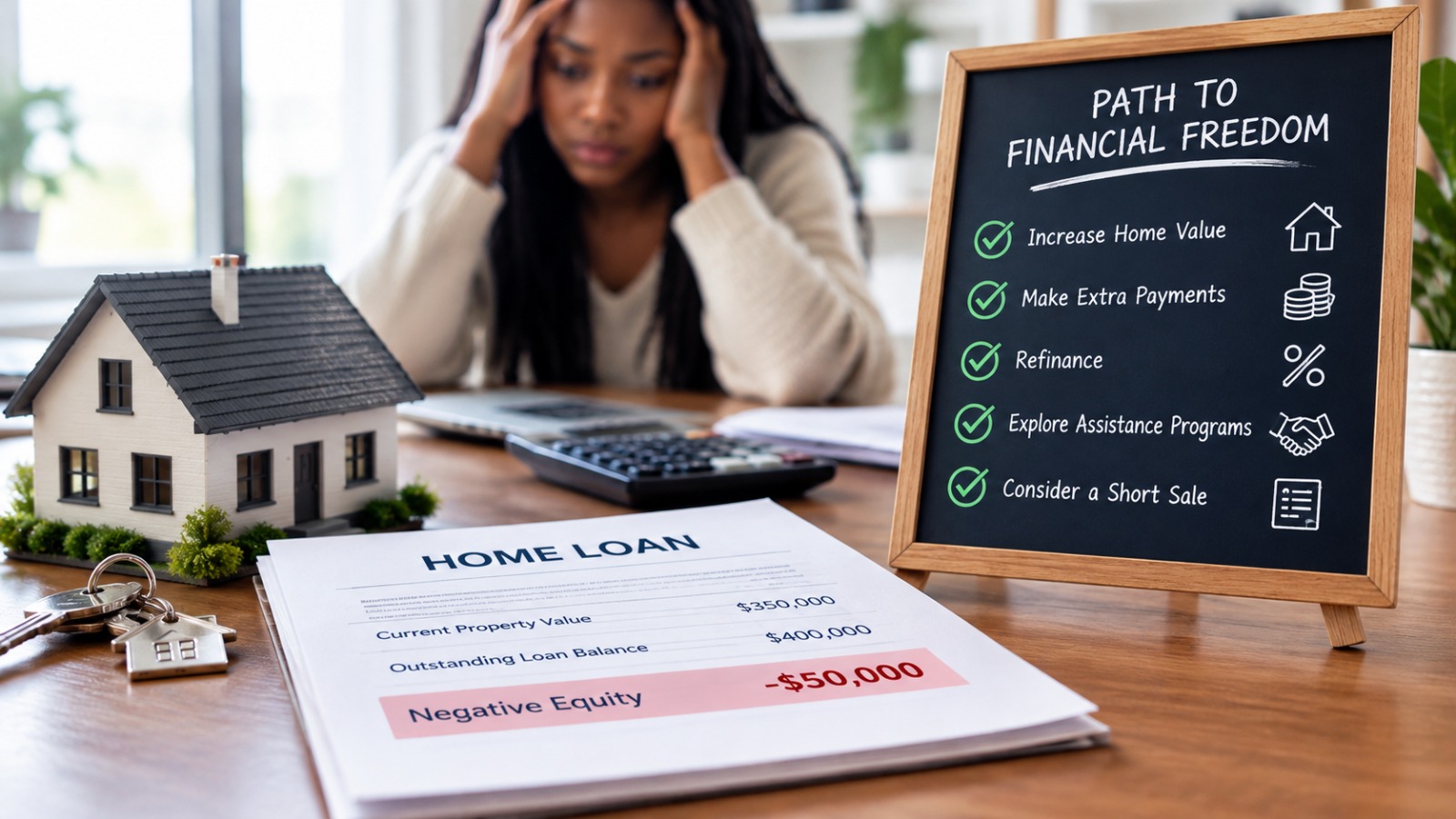
Imagine buying a house for ₦80 million, only to discover a few years later that it is worth ₦65 million while you still owe your lender ₦72 million. Even if you sell the property at its current market value, you will not have enough to repay the outstanding loan. This situation is called negative equity, and it can leave homeowners trapped between a property they cannot profitably sell and a debt they must continue to repay.
For anyone navigating the property market, TheHouse48 offers real estate insights to help buyers understand risks like this before making major financial commitments.
How Does Negative Equity Happen?
Negative equity occurs when the outstanding mortgage on a property exceeds its current market value. It can happen when property prices fall, when a buyer borrows a large percentage of the purchase price or when the loan balance decreases more slowly than expected.
For example, a buyer who makes a small deposit has less equity to protect them if prices decline. If the property loses value before the buyer has repaid much of the mortgage, the outstanding debt can become greater than the property's worth.
This risk can also affect new-build properties. Buyers sometimes pay a premium for a brand-new home, but its resale value may be lower once it is no longer classified as new. Understanding why new-build homes can depreciate faster than expected is important before committing to a purchase.
Why Negative Equity Can Become a Problem
Negative equity does not automatically mean financial disaster. If you can afford your mortgage payments and do not need to move, you may be able to hold the property while paying down the debt or waiting for market conditions to improve.
The difficulty usually arises when you need to sell, refinance or relocate. Selling may leave you with a shortfall that must still be repaid, depending on your loan agreement and applicable law. Refinancing may also be difficult because another lender may be unwilling to lend more than the property is worth.
In Nigeria, where mortgage products and lending arrangements vary, homeowners should review their specific loan terms and speak directly with their lender before making decisions.
How Can You Escape Negative Equity?
Keep paying down your mortgage. If your income allows it, making additional principal repayments can reduce the outstanding balance faster. Check whether your lender permits overpayments and whether fees or penalties apply.
Avoid rushing into a sale. If you can comfortably remain in the property, selling immediately at a loss may not be your best option. Monitor comparable property prices and reassess your position periodically. However, do not assume that prices will always recover.
Speak to your lender early. Explain your situation and ask whether a revised repayment arrangement or another suitable option is available. If payments have become difficult, seek help before arrears accumulate.
Consider renting out the property. Rental income may help cover mortgage payments while you wait for conditions to improve. First, confirm that your mortgage terms permit letting and calculate whether rent will cover the loan, maintenance, insurance and periods without tenants.
Be cautious about borrowing more. Taking on additional debt to cover a property shortfall can make the situation worse if your income cannot support the repayments.
Protect Yourself Before Buying
The best way to deal with negative equity is to reduce the risk of entering it. Research local selling prices rather than relying solely on asking prices, assess whether the property is fairly valued and avoid stretching your finances to make the purchase. Where possible, a larger deposit provides a stronger financial cushion.
For buyers comparing opportunities, TheHouse48 can be a starting point for exploring the property market and making more informed decisions.
Negative equity can be stressful, but it does not always require an immediate sale. Understand the size of the shortfall, review your options and make a decision based on your finances rather than panic.
Sign up for our emails and be the first to know about special offers.
Sign In
Comments