
The Truth About Off-Plan Deals in Nigeria
By The House 48 Editorial TeamPublished on Updated 4 min read
On this page
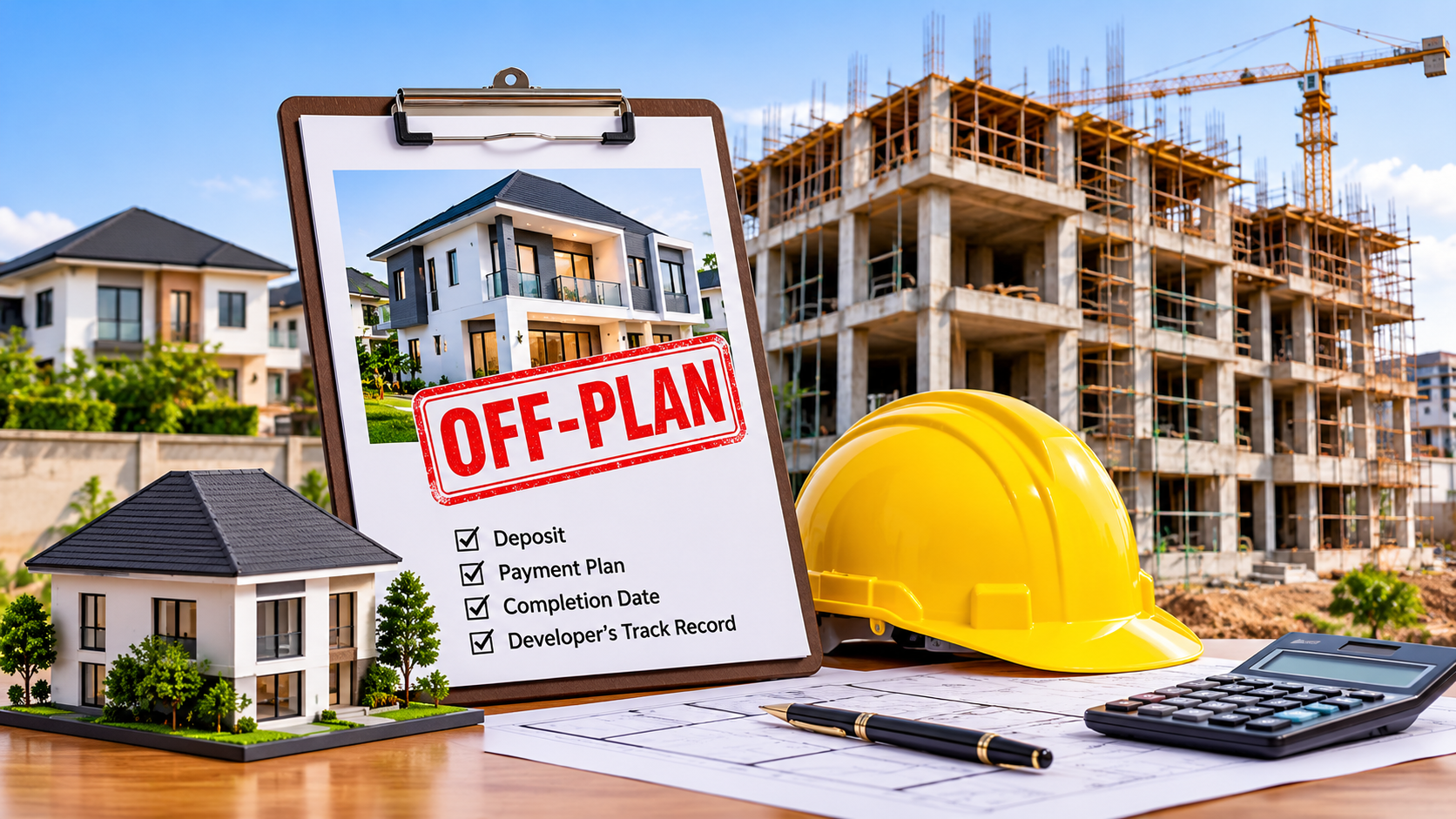
Buying a property before construction is completed has become an attractive option for Nigerians looking to enter the real estate market. Known as off-plan property investment, this arrangement allows buyers to purchase a house or apartment based on its proposed design, specifications and development plans rather than a finished building.
Developers often promote off-plan deals with flexible payment plans, attractive launch prices and the promise of owning a brand-new property. For buyers who cannot afford to pay the full cost of a completed home immediately, this can sound like an ideal opportunity.
However, not every off-plan deal delivers what it promises. Construction delays, abandoned projects, changing specifications and questionable developers can turn an attractive investment into a costly problem.
Why Developers Sell Properties Off-Plan
Property development requires substantial capital, and developers do not always want to finance an entire project using their own funds. Selling units before completion allows them to raise money from buyers to support construction.
For buyers, one major attraction is the possibility of securing a property at an early-stage price. In some developments, prices increase as construction progresses, meaning early buyers may benefit from a lower purchase price.
Developers may also offer instalment arrangements that allow buyers to spread payments across several months or years. This can make purchasing more manageable compared with paying the entire amount upfront.
The Promise of Lower Prices and Flexible Payments
Off-plan properties are often marketed as cheaper alternatives to completed homes. A buyer may secure an apartment during the launch stage at a price that is lower than the developer's expected selling price after completion.
Payment plans can also make the arrangement appealing to professionals, first-time buyers and Nigerians living abroad who want to acquire property without making one large payment.
However, a lower advertised price does not automatically mean a better investment. Buyers must consider additional charges, service fees, legal expenses and the possibility that market conditions may change before the development is completed.
Construction Delays Are a Real Risk
One of the biggest concerns with off-plan purchases is the possibility that construction will take longer than expected.
A developer may promise to complete a project within a particular period, but funding difficulties, rising material costs, regulatory issues, labour shortages or other complications can delay delivery.
For buyers planning to move into the property, such delays can mean paying rent for longer than expected while waiting for their new home. Investors who intend to rent out the property may also lose potential rental income.
Before committing, ask for a realistic construction schedule and ensure that the purchase agreement clearly explains the expected completion date and what happens if the developer fails to meet it.
The Danger of Choosing the Wrong Developer
A developer's reputation can make a significant difference to the outcome of an off-plan investment. Some developers have a history of completing quality projects, while others may have limited experience or a record of unfinished developments.
Visit their previous projects where possible. Speak with existing buyers, investigate completed developments and find out whether the company has the financial and technical capacity to deliver what it is advertising.
You should also verify the developer's legal identity, ownership or development rights over the land, relevant approvals and the project's planning status.
Do not rely entirely on glossy brochures, social media advertisements or impressive showrooms. The actual development history matters much more than the marketing.
Read the Agreement Before Making Payments
An off-plan purchase agreement should clearly explain what you are buying, how much you will pay and what the developer is obligated to deliver.
Pay attention to the property's size, layout, construction specifications, fittings, payment schedule and completion timeline. The agreement should also address delays, changes to the project, cancellation, refunds and dispute resolution.
Have an independent property lawyer review the agreement before signing. Avoid making substantial payments based only on verbal promises or informal receipts.
What Happens If the Finished Property Is Different?
Another risk is receiving a property that does not fully match the original advertisement or agreed specifications.
The developer may change certain materials, fittings, layouts or shared facilities during construction. Even seemingly minor differences can affect the property's quality and resale appeal.
Make sure the agreement includes sufficiently detailed specifications and plans. Keep copies of brochures, approved designs, payment receipts and written communications so you have evidence of what was promised.
Are Off-Plan Deals Better Than Other Property Investments?
Off-plan purchases can provide access to new developments and potentially attractive early-stage prices, but they are not automatically better than buying completed properties.
Some investors may prefer completed homes because they can inspect the building, assess its condition and potentially begin earning rental income immediately.
Others may consider alternatives such as fractional property ownership in Nigeria, which can provide exposure to real estate without purchasing an entire property independently. Each option has different costs, ownership arrangements and risks.
So, Should You Buy Off-Plan in Nigeria?
Off-plan property investment can be worthwhile when the developer is credible, the land and approvals are properly verified, the agreement protects the buyer and the payment plan is financially manageable.
The biggest mistake is treating an attractive price or flexible payment arrangement as proof that a project is safe. Before transferring money, investigate the developer, inspect previous projects, verify the property's legal status and get professional advice.
At TheHouse48, understanding the opportunities and risks behind different property investments can help you make better decisions and avoid costly mistakes. A promising development is only a good investment when the people behind it can deliver what they have promised.



Comments