
Published on 5/20/2026
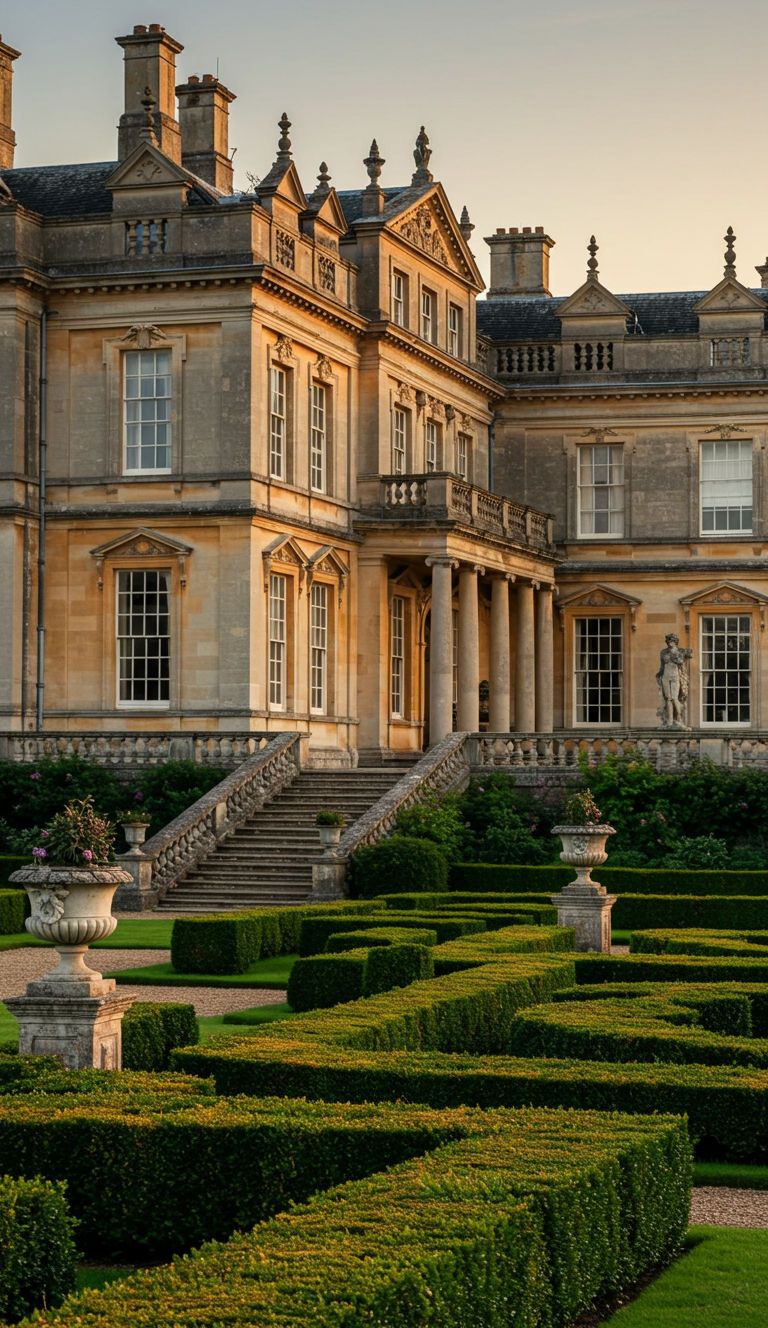
Historic estates often appear polished and complete, but beneath their beauty lies a deeper story shaped by unseen hands and overlooked lives. Many of these properties, including iconic sites like Monticello, are now being reinterpreted through a more complete historical lens, with platforms such as TheHouse48 reflecting a growing interest in heritage homes that carry layered, authentic narratives rather than surface-level prestige.
What emerges from this deeper examination is a history built not only by celebrated figures, but also by enslaved people, workers, women, and minority communities whose contributions were long left out of official accounts.
The Ghosts in the Archives: Reclaiming Marginalized Voices
Historic records often center on property owners, yet archives reveal a much wider network of people who built and sustained these estates. Their stories are now being recovered through research, oral histories, and preservation work.
Untold Stories of Labor and Service
Enslaved people and laborers played a foundational role in constructing many historic properties. Sites like Sylvester Manor in New York and Monticello in Virginia depended heavily on enslaved labor, yet their contributions were rarely acknowledged in early interpretations.
Modern preservation efforts, including projects like Saving Slave Houses, are now documenting these forgotten structures and restoring visibility to the lives behind them.
The Hidden Roles of Women and Minorities

Women and minority groups often shaped architecture and design without receiving recognition. Figures like Georgia Louise Harris Brown and Julia Morgan contributed significantly to American architecture, yet their work was frequently attributed to others.
Today, historians use archives, letters, and oral histories to rebuild these narratives and restore missing credit.
Economic Foundations: Following the Money
Many historic estates were funded through systems tied to slavery, trade, or industrial exploitation. Wealth accumulation was often directly linked to labor that was unpaid or underpaid.
Projects like the Preservation Society of Charleston’s mapping initiatives now connect properties to the economic systems that supported them, revealing how deeply inequality shaped historic development.
Architectural Secrets: When Design Tells a Deeper Story
Architecture itself often reflects social hierarchy and control. From hidden service corridors to segregated entrances, design choices reveal how space was used to separate classes and enforce structure.
At the same time, modern reinterpretations of historic sites are beginning to acknowledge the contributions of overlooked architects, craftspeople, and clients who shaped these buildings in meaningful ways.
The Natural Environment: When Land Tells a Tale

Historic estates also carry environmental histories. Land was often transformed through deforestation, agriculture, and construction, permanently altering ecosystems.
From plantations to urban developments, many sites now serve as evidence of how human activity reshaped landscapes over centuries. Environmental studies have become an important part of understanding full historical impact.
Modern Stewardship: Preserving the Whole Truth
Today, preservation is shifting toward more honest and inclusive storytelling. Rather than presenting simplified narratives, many historic sites are now incorporating the experiences of all people connected to them.
This includes interactive exhibits, digital reconstructions, and community-led storytelling efforts that ensure multiple perspectives are represented.
Engaging with these histories encourages visitors to see estates not as frozen monuments, but as evolving records of human experience.
A Richer Heritage Through Complete Understanding
Historic properties become more meaningful when their full stories are told. Beneath their architecture lies a complex history shaped by labor, land, and legacy.
As interest in heritage living continues to grow, platforms like TheHouse48 reflect a broader shift toward appreciating homes not only for their beauty, but also for the deeper stories they carry.
Understanding these hidden histories ensures that preservation is not just about maintaining buildings, but about honoring every life that helped shape them.
Sign up for our emails and be the first to know about special offers.
Sign In
Comments