
Published on 8/19/2026
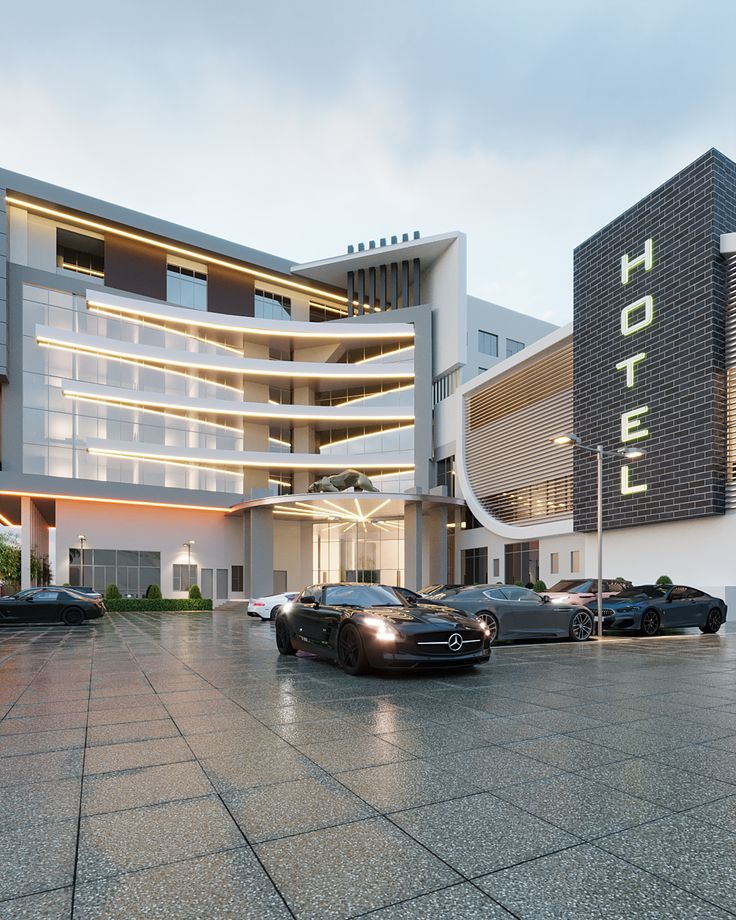
There is a category of real estate opportunity that only becomes visible after something goes wrong. Not a market correction or a pricing dip, but an institutional collapse, the kind that turns a functioning asset with real infrastructure, real location and real bones into a distressed position that the right buyer can acquire at a fraction of what it cost to build. The hotel bankruptcy to luxury residential conversion is one of the most consistently rewarding of these opportunities, and in 2025 and early 2026 the hospitality sector produced more raw material for it than at any point since the pandemic. At TheHouse48, the investors who understand how to read these moments are among the most quietly successful in the real estate market.
The Sonder Collapse and What It Left Behind
On November 10, 2025, Sonder Holdings Inc. announced an immediate wind-down of operations and filed for Chapter 7 liquidation in the United States, with insolvency proceedings initiated internationally. The company, once described as Airbnb's billion-dollar competitor, had been running negative operating cash flow for years, took long-term leases on apartments and hotel units across 17 US states, struck a lifeline partnership with Marriott International in August 2024 worth approximately $126 million in potential liquidity, and then watched that partnership collapse in November 2025 when Marriott terminated the agreement citing Sonder's default. The shutdown was abrupt enough that guests received emails on a Sunday night telling them their stays were ending immediately, in some cases mid-trip. What the collapse left behind was a portfolio of fully furnished boutique hotels, cottages and apartments across major US urban markets including New York, Los Angeles, Chicago, Phoenix and New Orleans, available through a Chapter 7 bankruptcy sale of leasehold interests facilitated by Gordon Brothers. For investors positioned to move quickly on distressed hospitality assets, the Sonder liquidation represented exactly the kind of forced supply event that rarely emerges in functioning markets.
The Conversion Playbook That Turns Hotel Failures into Residential Wealth
The investment logic behind hotel-to-residential conversions has been validated across multiple market cycles and multiple continents. A hotel in financial distress carries something that most residential assets do not: existing infrastructure. Plumbing and electrical systems already servicing individual rooms. Commercial kitchens adaptable to residential specifications. Lobby and common areas that can become amenity spaces. In many cases, furnishings, fittings and operating systems already in place. The gap between the distressed acquisition price, which reflects the seller's financial desperation rather than the asset's replacement cost, and the market value of the converted residential units is where the return is generated. Renovations and brand conversions in the US reached a record 2,118 projects at the close of Q4 2025, spanning every market from large-scale luxury to boutique, a figure that reflects both the volume of distressed hotel stock entering the market and the appetite of investors who understand how to reposition it. In Italy, the EY Hotel Investment Report recorded an all-time high of $2.1 billion in hotel investment in 2024, with more than 50% of transactions involving conversions, restorations and value-added repositionings rather than stabilised asset purchases.
Why 200 Investors Sharing One Deal Can Each Come Out a Millionaire
The structure that makes this accessible to investors who cannot individually deploy the capital required to acquire a hotel asset is fractional co-ownership through a properly structured special purpose vehicle. A 120-room boutique hotel acquired at distressed pricing, converted into 60 luxury residential units and sold at market rate produces a return that can be distributed proportionally across every investor in the SPV. The arithmetic of a well-executed conversion in a supply-constrained urban market, where the acquisition cost reflects distress and the exit price reflects the residential premium of a branded, amenity-rich building in a prime location, has produced exactly these outcomes. Global hotel transaction volumes accelerated 22% in 2025 from the 2023 trough, with luxury hotel investment activity surging 115% year over year in the first quarter of 2026 alone. The Ritz-Carlton New York Central Park was acquired for $320 million in Q1 2026, and the Four Seasons Resort Orlando and Four Seasons Resort and Residences Jackson Hole sold together for $1.1 billion in the same period, all reflecting the institutional conviction that repositioning distressed or transitioning hospitality assets is one of the most compelling return profiles available in the current market.
What Every Investor Needs to Understand Before Entering This Space
The distressed hotel opportunity is real and the returns it can generate are documented, but the execution demands a level of due diligence that standard residential investment does not. Planning and zoning consent for change of use from commercial hospitality to residential is not automatic in most jurisdictions and can add significant time and cost to a conversion project. The structural condition of a distressed hotel asset requires independent professional assessment before any acquisition, because the operating failures that produced the bankruptcy may have included deferred maintenance that is not visible in a walkthrough. Leasehold assets, which is what many hotel conversions involve since the operator leased the building rather than owned it, require careful legal review of the ground lease terms before any investor capital is committed.
TheHouse48 believes that the most interesting property investment opportunities in 2026 are not always found in new developments or emerging neighbourhoods. Sometimes they are found in the wreckage of a business model that failed while sitting on a perfectly good building, in exactly the right location, at a price that the asset's quality would never have commanded if the operator had not run out of road.
Sign up for our emails and be the first to know about special offers.
Sign In
Comments