
Published on 6/18/2026
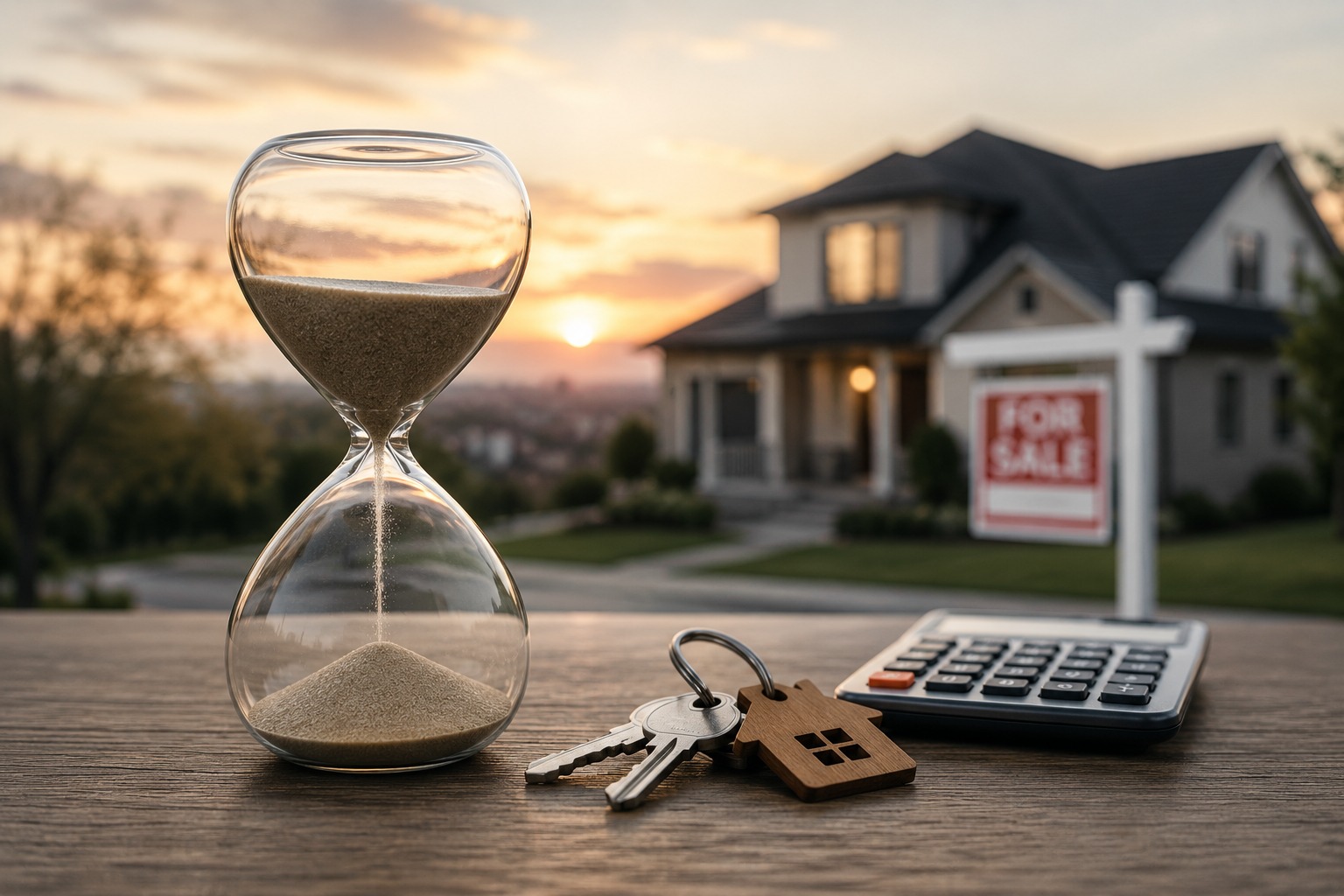
Of all the mistakes made in property, the timing error is the one that tends to cost the most and leave the longest regret. It does not announce itself the way an overpayment does. It does not show up immediately on a spreadsheet. It reveals itself quietly, over months and years, in the gap between what a property was worth when the decision was made and what it became worth shortly after. The real estate market rewards those who understand its rhythm, and it quietly penalises those who do not. At TheHouse48, we see this play out on both sides of the transaction more regularly than most buyers and sellers would like to admit.
The Seller Who Waits for the Perfect Moment
One of the most persistent timing errors on the selling side is waiting for conditions that may never arrive. Many sellers fear leaving money on the table compared to neighbours who sold at what appeared to be the top of the market, and that concern is not just about price but about regret. This fear of missing the peak keeps properties off the market long past the point where a clean, well-timed sale would have served the owner better. Listing at the wrong time, such as during periods of high local competition or without adequate preparation, can mean fewer showings, more days on market and eventual price cuts that wipe out whatever advantage the seller was hoping to preserve by waiting.
The Stale Listing Problem

Timing is not only about when to list. It is about what happens in the days immediately after. Homes that do not go under contract within approximately two weeks begin accumulating a stigma in buyer perception, because days-on-market is visible to everyone and a stale listing invites often undue scepticism. A property that sits too long starts to raise questions that have nothing to do with the home itself. Buyers begin to wonder what others saw and decided to walk away from. The longer it sits, the harder it becomes to achieve the original asking price, and the original timing error compounds into a negotiating disadvantage.
The Buyer Who Waits for Prices to Drop
On the buying side, the mirror image of this error is waiting for a correction that does not come, or that comes too briefly to act on. Some buyers continue to bid based on stale comparable sales from peak periods, while others hold back entirely, assuming further softening, and both approaches carry significant risk in a market where conditions vary sharply by location. The buyers who have historically built the most wealth through property are not the ones who timed the absolute bottom. They are the ones who bought with a clear long-term view and held through the inevitable short-term movement in both directions.
Using Outdated Data to Make Current Decisions
Perhaps the most technically costly version of the timing error is pricing based on what the market was doing rather than what it is doing. Realtor.com research shows that nearly one in five sellers in 2025 ended up reducing their asking price after initial listing because their original price was based on old comparable sales rather than current buyer expectations. That price reduction is not just a financial loss. It is a signal to the market that recalibrates buyer perception of the property for the remainder of its time on the market.
TheHouse48 believes that the best protection against the timing error is not prediction but preparation. Understanding the market as it actually is, not as it was or as you hope it will be, is where every sound real estate decision begins.
Sign up for our emails and be the first to know about special offers.
Sign In
Comments