
Published on 10/22/2026
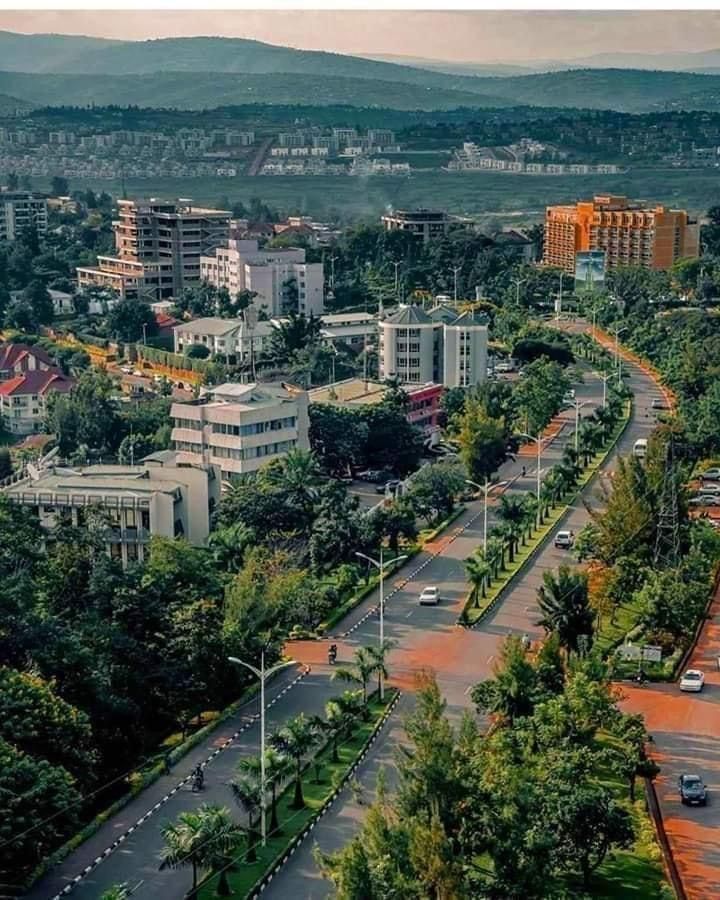
Something is shifting in how ambitious Nigerian investors think about Africa. For most of the past two decades, African real estate investment outside Nigeria meant Lagos, Abuja and occasionally Accra. Rwanda barely registered. That is changing with measurable velocity, and the signal is not anecdotal. Nigerian developer Sterling Homes opened an operational office in Kigali specifically to serve the growing market. Diaspora investment conferences in 2025 and 2026 have consistently listed Rwanda alongside Dubai and Portugal as destinations generating serious Nigerian buyer interest. Real estate became Rwanda's single largest investment sector in 2025, attracting $855.5 million, equivalent to 32.7% of the country's total investment commitments for the year. At TheHouse48, the Rwanda question deserves a specific, honest answer rather than general enthusiasm.
The Legal Framework That Makes This Accessible
Rwanda's starting position for foreign buyers is unusually clean by African standards. Foreigners can legally buy property in Rwanda on full freehold ownership terms, in their own name, without a local partner, a trust structure or a corporation wrapper. The buying process involves selecting the property, engaging a notary who registers the transaction officially and completing the transfer with full legal documentation. Closing costs are transparent and relatively modest, running to approximately 5% transfer tax plus a 0.1% registration fee. Foreign buyers can access Rwandan bank mortgages, though rates are not competitive with Western market equivalents, making cash or diaspora-funded purchases the dominant model for international investors. There are no restrictions on renting out property, no prohibition on repatriating rental income and no residency requirement attached to ownership. The transparency and simplicity of this framework relative to what Nigerian buyers navigate at home is one of the most frequently cited reasons for Rwanda's growing appeal among the diaspora.
The Market Numbers That Are Driving Attention
Rwanda's real estate sector recorded a 126.5% surge in investment commitments in 2025 to $855.5 million according to the Rwanda Development Board's Annual Report 2025, with Kigali accounting for $821.4 million of that total. Real estate contributes approximately 16% of Rwanda's GDP and continues to expand, as noted by Rwandan professionals in the diaspora tracking the sector. The country experiences an annual housing deficit of over 30,000 units, which functions as the structural demand engine for any residential investment. Rental yields in Kigali for well-positioned residential properties run between 9.3% for residential units and up to 10.8% for office properties and 12.3% for retail, according to Cytonn investment data. For comparison, those yields sit materially above the 6 to 8% range available in Accra's equivalent premium residential corridors, making Rwanda more compelling on a pure income basis than most comparable African markets.
Kigali's Premium Corridors and What Entry Costs

The geography of Kigali's real estate market is divided clearly into distinct tiers. Nyarutarama, the neighbourhood hosting embassies and high commissions, is the most internationally recognised premium address, with detached homes starting around $350,000 to $400,000. Kiyovu, Kigali's oldest wealthy neighbourhood, commands premium rents reaching $4,500 per month for the best units. Vision City in Upper Hill offers luxury villas, semi-detached homes and apartments with high rental demand from international organisations and corporate tenants. The entry point for a quality apartment in a central Kigali neighbourhood accessible to the international tenant base that drives premium rents sits between $100,000 and $200,000, a range that Nigerian investors with diaspora capital can reach without the full commitment required for comparable quality in Lagos's Ikoyi or Banana Island corridors.
The Honest Risk Profile That Must Be Included
The Rwanda investment thesis is compelling in its numbers and clean in its legal framework, but it carries specific risks that any Nigerian buyer must model before committing. The first is liquidity. Rwanda's secondary property market is thinner than Lagos or Abuja, meaning the buyer who needs to exit quickly will find fewer competing buyers and slower transactions than in a deeper market. The exit timeline for a Kigali property is longer and less predictable than for equivalent Lagos stock. The second is currency. Rwanda's franc has maintained relative stability, but all income earned is denominated in local currency, and any depreciation against the dollar between acquisition and exit reduces the hard-currency return. The third is the government expropriation risk that exists in any African market where infrastructure development is rapid and land use planning is actively managed. Reports of expropriated properties in Kigali's development corridors are documented, and title verification, including checking whether any development or infrastructure plan affects the specific plot, is essential due diligence before any purchase. Buying property in Rwanda does not automatically grant residency or visa benefits, which matters to Nigerian buyers whose investment motivation includes the immigration dimension that other markets on this series have delivered.
What Nigerian Buyers Are Actually Looking For There
The profile of the Nigerian buyer entering Rwanda in 2026 is distinct from the investor profile in Dubai or Greece. It is not primarily a passport play or a Schengen access play. It is a conviction-driven African investment decision by buyers who believe Rwanda's trajectory, stable governance, infrastructure investment and regional hub ambitions will produce capital appreciation over a five to ten year horizon that Lagos's more volatile environment cannot match with the same predictability. Sterling Homes' expansion into Kigali reflects a developer's reading of where the buyer base is heading, not where it has arrived. The market is early, which is both its opportunity and its risk, and the Nigerian investors entering it now are making the same calculation that was available in Accra twenty years ago and in Lekki fifteen years ago.
TheHouse48 believes that Rwanda is a genuine opportunity for the Nigerian investor who approaches it with a long time horizon, a clear exit plan, verified title documentation and no expectation of the liquidity or visa benefits that other international markets in this series deliver. The numbers support the interest. The framework supports the entry. The question of whether it is worth it depends entirely on what the buyer is actually trying to achieve.
Sign up for our emails and be the first to know about special offers.
Sign In
Comments