
Published on 1/26/2026
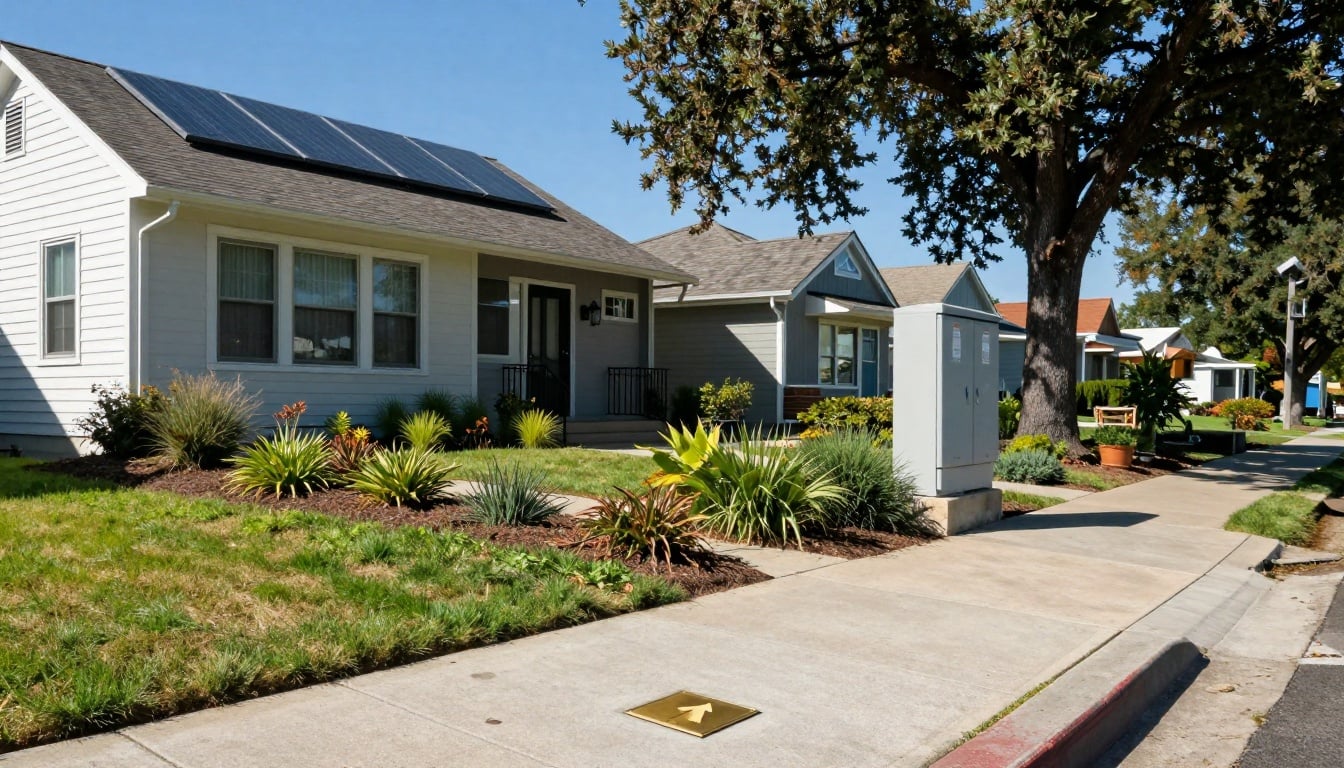
Infrastructure improvements remain one of the strongest signals of future appreciation. New transit lines, upgraded bus routes, and redesigned intersections make daily life easier, and buyers are willing to pay more for that convenience. Homes within walking distance of transit hubs often rise in value because shorter commutes are highly desirable. Digital upgrades matter too because neighborhoods with fiber-optic internet connections tend to attract remote workers and young professionals, which naturally drives demand upward. Safer streets, bike lanes, and smoother traffic flow also add appeal, creating steady price growth.
Modern buyers want more than just stores, they want vibrant neighborhoods. Areas filled with cafés, boutique gyms, breweries, co-working spaces, and small creative shops often see rising foot traffic and energy. These “third spaces” create community and make streets feel alive, which boosts property values. Corporate relocations or new offices also change neighborhood dynamics. When companies, hospitals, or tech hubs move in, workers seek nearby housing, and prices follow.
Who moves in next can shape a neighborhood’s trajectory. Younger buyers; millennials and Gen Z favor walkable streets, parks, and local hotspots over large yards. When they settle in older neighborhoods or overlooked suburbs, values tend to climb quickly. Anchor institutions like universities and medical centers also maintain consistent demand, keeping values resilient. Early indicators like new cafés, renovated storefronts, and rising rents often signal neighborhoods on the verge of significant growth.
Parks, waterfront trails, dog-friendly areas, and bike paths make neighborhoods more attractive. Homes near well-maintained green spaces generally appreciate faster because they offer a lifestyle buyers are willing to pay extra for. Sustainability initiatives like solar programs, greener streets, and recycling improvements attract environmentally conscious buyers and add long-term value. Even small improvements in walkability or bikeability can accelerate sales and elevate prices.
.
Neighborhood growth leaves clues if you know where to look. Infrastructure upgrades, lively local businesses, demographic shifts, and green spaces all work together to lift property values. Paying attention to these trends can help you anticipate rising areas, position your property for growth, and benefit from appreciation before the wider market catches on. For more insights on neighborhood trends, property values, and available listings, explore TheHouse48.
Sign up for our emails and be the first to know about special offers.
Sign In
Comments