
Published on 7/17/2026
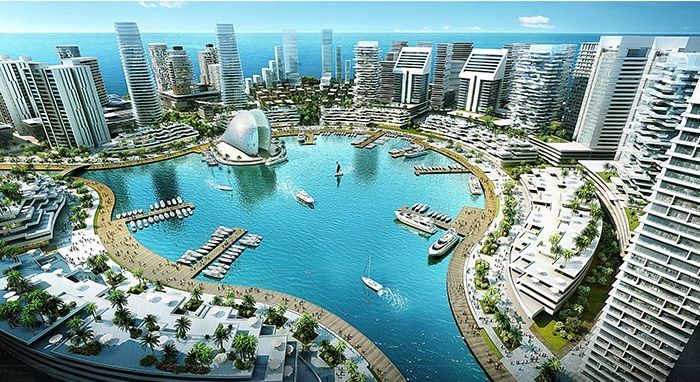
There has always been a version of the Eko Atlantic conversation that runs entirely on ambition. The renders, the skyscraper timelines, the comparisons to Dubai, the promise of a city rising from the Atlantic Ocean that would redefine what Lagos could become. That version of the conversation has been circulating since the project was conceived in 2003. What has changed in 2026 is that the hype now has something concrete to stand beside, and evaluating the investment case requires separating what has been delivered from what is still being sold. At TheHouse48, that distinction is the only responsible starting point for any conversation about Eko Atlantic.
What Has Actually Been Built
Eko Atlantic City is no longer a project of the future. As of 2026, with over 80% of land reclamation complete across the 10 million square metre site, the city has transitioned from a visionary rendering into a functioning urban hub. The infrastructure case, which was always the central argument for the premium pricing, is now verifiable on the ground. Unlike the rest of Lagos, the city operates on a self-sufficient model, powered by a dedicated gas-fired plant providing 24-hour electricity, protected by the 8.5 kilometre Great Wall of Lagos designed to withstand what engineers describe as a 1,000-year storm surge, and serviced by centralised water treatment and underground drainage that eliminates the flooding risk plaguing surrounding areas. The corporate migration that was always the demand thesis for residential investment is now measurably underway. FirstBank of Nigeria is leading the charge with an iconic 40-floor headquarters currently the city's most significant architectural landmark, and major institutions are leaving congested Victoria Island streets for the new Financial District. The US consulate general, a $537 million project, is strategically located within the city, and its presence has made the adjacent Hive development a primary target for institutional investors and expatriate professionals.
What the Residential Market Is Doing

The residential picture as of 2026 is one of active construction and premium pricing that continues to hold. The Eko Pearl Towers in the Downtown District remains the flagship residential cluster, with Eko Black Pearl completed and fully operational at 24 floors, while the White, Indigo and Aqua Pearl towers are in various stages of construction and topping out in 2026, collectively offering over 560 units including duplexes and terrace penthouses. Azuri One, at 145 metres, stands as one of the tallest residential structures in West Africa, featuring smart-controlled apartments and panoramic marina views. Le Rêve, completing in Q3 2026, offers three-bedroom maisonettes starting at approximately $670,000. The Phoenix Tower and Phoenix Rising, a 33-floor ultra-luxury skyscraper with four-bedroom apartments and penthouse villas, are both in finishing stages as of mid-2026. Land prices in the Financial District and Marina have reached over $3,000 per square metre, with luxury residential prices in the district having seen average annual growth of 38 to 60% over the past five years according to market data from Nairametrics.
The Investment Case: What Supports It
The fundamentals that made Eko Atlantic compelling at the concept stage have not weakened. They have simply moved from speculative to structural. The infrastructure self-sufficiency is real and commands a genuine premium in a city where power, security and drainage failures are daily realities for most residential and commercial properties. The corporate migration brings high-earning professional tenants and owner-occupiers into the market. The dollar-denominated pricing structure protects against naira depreciation for diaspora buyers and foreign investors. Properties in Ikoyi and Banana Island, which represent the nearest comparable market, have held their value in dollar terms over the past decade despite naira volatility, and Eko Atlantic operates in the same currency-insulated premium tier.
The Questions That Belong in This Conversation
The honest assessment also carries real questions that serious buyers must engage with. The development is still incomplete. Multiple towers under construction simultaneously means that the neighbourhood character, foot traffic, retail density and community experience that make a city genuinely liveable are still forming. Buying into an incomplete city at premium pricing requires a long-term horizon and the ability to hold through the years of construction that remain. The tenant market for ultra-luxury residential units in a city that is still building its daytime population is narrower than promotional materials suggest, which compresses short-term rental demand and makes the income projections less reliable than they would be in a fully established district. The entry price point, with three-bedroom maisonettes starting above $670,000 and premium penthouses significantly higher, also concentrates the buyer pool in a thin segment of the Nigerian and diaspora market.
TheHouse48 sees Eko Atlantic clearly for what it is: Africa's most technically impressive residential development, built on infrastructure no other Nigerian city can match, at prices that reflect both its genuine premium and its incomplete status. For a buyer with a long-term horizon, dollar-denominated capital and an appetite for the upper tier of the Lagos market, the fundamentals remain sound. For a buyer expecting near-term yield in a fully functioning community, the city needs more time to deliver what it is promising.
Sign up for our emails and be the first to know about special offers.
Sign In
Comments