
Published on 10/7/2026
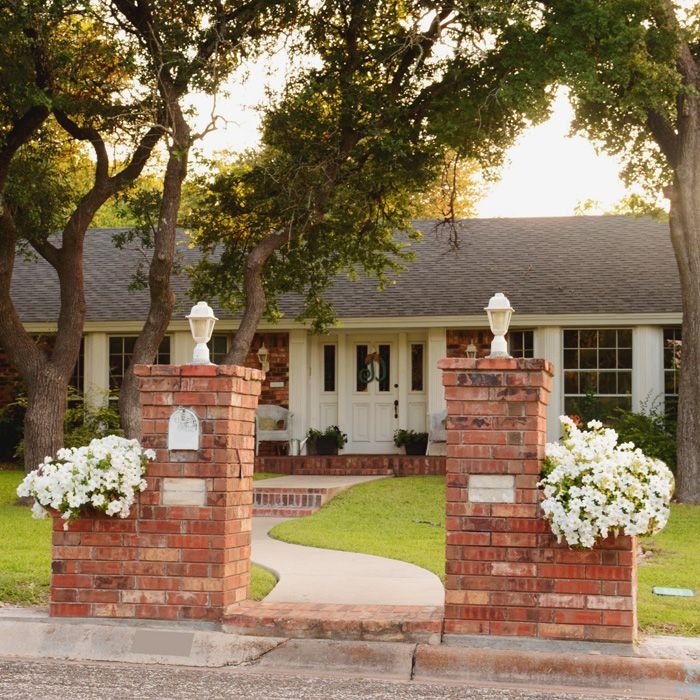
A fixer-upper is a property that needs significant repairs, renovations, or modernization before it reaches its full potential. Home renovation television made the fixer-upper feel like the smartest move in real estate. A discounted property, a straightforward renovation, a dramatic reveal and an asset worth substantially more than everything combined. In 2026, the reality of buying a property that needs work is considerably more complex than that format suggests, and the market itself has shifted in a way that changes the calculation meaningfully. At TheHouse48, the fixer-upper question deserves an honest answer grounded in current data rather than the optimism that renovation programming tends to generate.
What the Market Is Actually Doing to Fixer-Uppers Right Now
The first thing a buyer considering a fixer-upper needs to understand in 2026 is that the market has turned against them in a specific and documented way. Research from Zillow shows that move-in-ready homes are commanding the highest premiums in years, while homes described as needing work are increasingly selling at steeper discounts. The shift reflects changing financial realities for buyers facing higher borrowing costs and significantly more expensive renovations. In July 2025, the median fixer-upper list price was $200,000 compared with $436,250 for all single-family homes, a gap that reflects both the renovation discount and the fact that fixer-uppers are typically smaller and older properties rather than like-for-like comparisons with move-in-ready stock. The discount is real. Whether it is large enough to absorb the cost of renovation while leaving meaningful margin is the question that the headline figures do not answer alone.
The Renovation Cost Reality in 2026
Construction costs have risen sharply enough to change the fundamental arithmetic of fixer-upper investing. Renovation costs have climbed beyond labour and materials to include rising permitting fees, insurance costs and financing expenses, and unlike the purchase price of a home, renovation costs often cannot be spread over a traditional 30-year mortgage. The national average renovation cost ranges are specific and have shifted upward from pre-pandemic benchmarks. Cosmetic updates including paint, flooring and fixtures run $5,000 to $15,000 and produce the highest return on investment per dollar spent. Kitchen renovation averages between $25,000 and $75,000 depending on the size and specification. A full bathroom remodel runs $10,000 to $30,000. Roof replacement averages $8,000 to $20,000. Foundation or structural work, the category that most reliably destroys fixer-upper margins, starts at $5,000 and can run to $50,000 or more depending on the severity of the problem. A full gut renovation of a 2,000 square foot home averages $100,000 to $200,000. The buyer who walks through a fixer-upper without a contractor and quantity surveyor is not in a position to run the numbers accurately, and without accurate numbers the investment case cannot be verified.
The Hidden Costs That Break the Budget
The renovation cost estimate is the number most buyers get wrong, and it is wrong almost always in the same direction. The structural issues that are invisible in a standard viewing and appear only in a professional inspection, compromised foundations, water ingress into the structure, outdated electrical panels, galvanised plumbing, asbestos in older materials, each add costs that were not in the initial calculation. Living through construction adds temporary accommodation costs if the property is uninhabitable during renovation, a category that can run to several thousand dollars per month in markets with strong rental prices. Permitting costs and the timeline delays that follow planning or inspection processes extend the financing period and increase carrying costs on any bridge loan or construction financing used to fund the project. The buyer who budgets for the visible renovation items and nothing else is the buyer who discovers the full cost of the project at the worst possible moment, when the work is already underway and the options for managing the overrun are limited.
The Buyer Profile That Makes It Work
The fixer-upper investment case in 2026 is most compelling for buyers who can supervise construction personally or have an established relationship with a trusted contractor, who have access to renovation financing at competitive rates, who are buying in a supply-constrained neighbourhood where the after-repair value is clearly supported by comparable sales and who have the holding period to ride out any disruptions without being forced to sell under pressure. It is least compelling for buyers relying entirely on contractor estimates without independent verification, buyers who are maximising leverage and have no contingency for overruns and buyers who are purchasing in a neighbourhood where the ceiling on what a renovated property can achieve is unclear or lower than the total investment requires.
TheHouse48 believes that the fixer-upper is still a valid investment strategy in 2026 and a narrower one than it was three years ago. The margin that made distressed properties forgiving of mistakes has compressed as renovation costs have risen faster than acquisition discounts in most markets. The buyers who are making money from fixer-uppers today are the ones who are running the numbers precisely before they make an offer, not adjusting them afterward to justify a property they have already fallen in love with.
Sign up for our emails and be the first to know about special offers.
Sign In
Comments