
Published on 11/3/2026
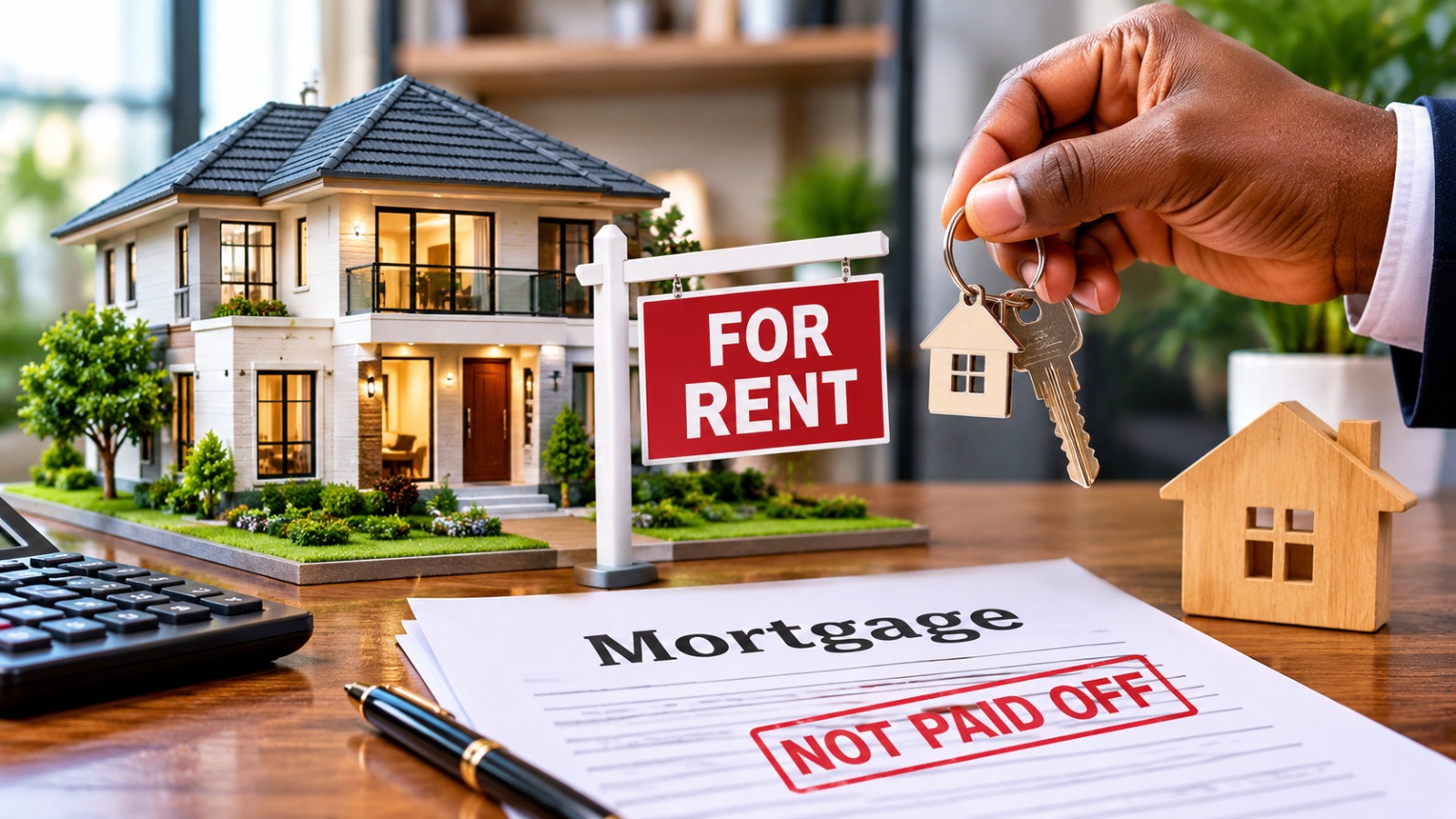
Buying a home does not always mean you have to wait until the final mortgage payment before earning money from it. Some homeowners rent out their properties while still paying off the loan, using the rental income to cover mortgage instalments, maintenance costs or other expenses. But is it actually allowed?
The short answer is yes, it can be possible. However, whether you can rent out a property you have not fully paid for depends on your mortgage agreement, the lender's conditions and the laws governing the property.
Why You May Not Have Full Freedom Over the Property Yet
When you purchase a home with a mortgage, you acquire an interest in the property, but the lender also has a legal interest because the property serves as security for the loan.
This means that although you may be living in the house and making monthly payments, you cannot automatically assume that every decision about the property is yours to make.
Some mortgage agreements allow homeowners to rent out their properties without restrictions. Others require written permission from the lender before the owner can lease the property, transfer possession or allow someone else to occupy it.
In Nigeria, this is particularly important because mortgage agreements can contain specific restrictions on letting. For example, a sample mortgage deed published by the Lagos State government expressly requires prior written consent before the borrower can lease the property or give another person the right to occupy it.
Ignoring such conditions could put the borrower in breach of the mortgage agreement, even if mortgage payments are being made on time.
What Happens If You Rent It Out Without Permission?
The consequences depend on the terms of the agreement, but renting out a mortgaged property without the required approval can create serious problems.
The lender may treat the arrangement as a breach of contract and require the homeowner to correct the situation. In more serious cases, the breach could contribute to a mortgage default and expose the property to enforcement action.
There is also a problem for the tenant. If the lender later takes possession of the property because of the borrower's default, the tenant's right to remain there may be affected. A tenancy created without the lender's required consent may not offer the same protection against the lender or a subsequent purchaser.
This is why homeowners should not assume that signing a tenancy agreement automatically makes the arrangement secure.
How to Get Permission to Rent Out a Mortgaged Home
If you want to rent out a property before completing your mortgage payments, start by reviewing your mortgage documents. Look for clauses dealing with letting, leasing, subletting, possession and the lender's right to approve occupants.
If written permission is required, contact the lender before advertising the property or accepting rent. Explain your intention and provide any information requested, such as the proposed tenancy period, expected rental income and details of the intended tenant.
The lender may approve the arrangement, impose conditions or refuse it, depending on the mortgage terms and its assessment of the situation.
You should also speak with a property lawyer to confirm that the proposed tenancy complies with the applicable land and tenancy laws. In Nigeria, transactions involving rights over land can raise additional consent and documentation requirements under the Land Use Act, depending on the nature of the interest being granted.
Can Rental Income Help You Pay Off Your Mortgage?
One reason homeowners consider renting out an unfinished mortgage property is the opportunity to generate income from an asset they are already paying for.
For example, imagine purchasing an apartment in Lagos with a monthly mortgage repayment of ₦450,000. If the property can generate ₦600,000 in monthly rental income, the rent could potentially cover the repayment and leave something towards other expenses.
However, this calculation should not be treated as guaranteed profit. There may be periods without tenants, maintenance expenses, agency fees, insurance costs and other charges. The rental income may also be paid annually rather than monthly, depending on the tenancy arrangement.
Homeowners should therefore calculate their expected returns carefully and ensure they can continue meeting their mortgage obligations even when the property is vacant.
The Difference Between Owning a Home and Having Complete Control Over It
Paying off a mortgage gradually increases your equity in a property, but it does not necessarily mean that every restriction disappears before the loan is settled.
Understanding the distinction between ownership rights and the lender's security rights is essential. It is also worth understanding how the type of property interest you purchase affects your rights and future plans. This is where the difference between leasehold and freehold ownership becomes relevant, particularly when considering how long you can use, occupy or benefit from a property.
Before making any rental plans, check your mortgage conditions, obtain the necessary approvals and put a legally sound tenancy agreement in place.
TheHouse48 helps property buyers and investors explore opportunities while understanding the decisions that come with owning real estate. A home that is still being paid for can potentially become an income-generating asset, but only when the arrangement is permitted and properly managed.
Sign up for our emails and be the first to know about special offers.
Sign In
Comments